
Home Gym vs Gym Membership: Which Costs Less Over 3 Years?
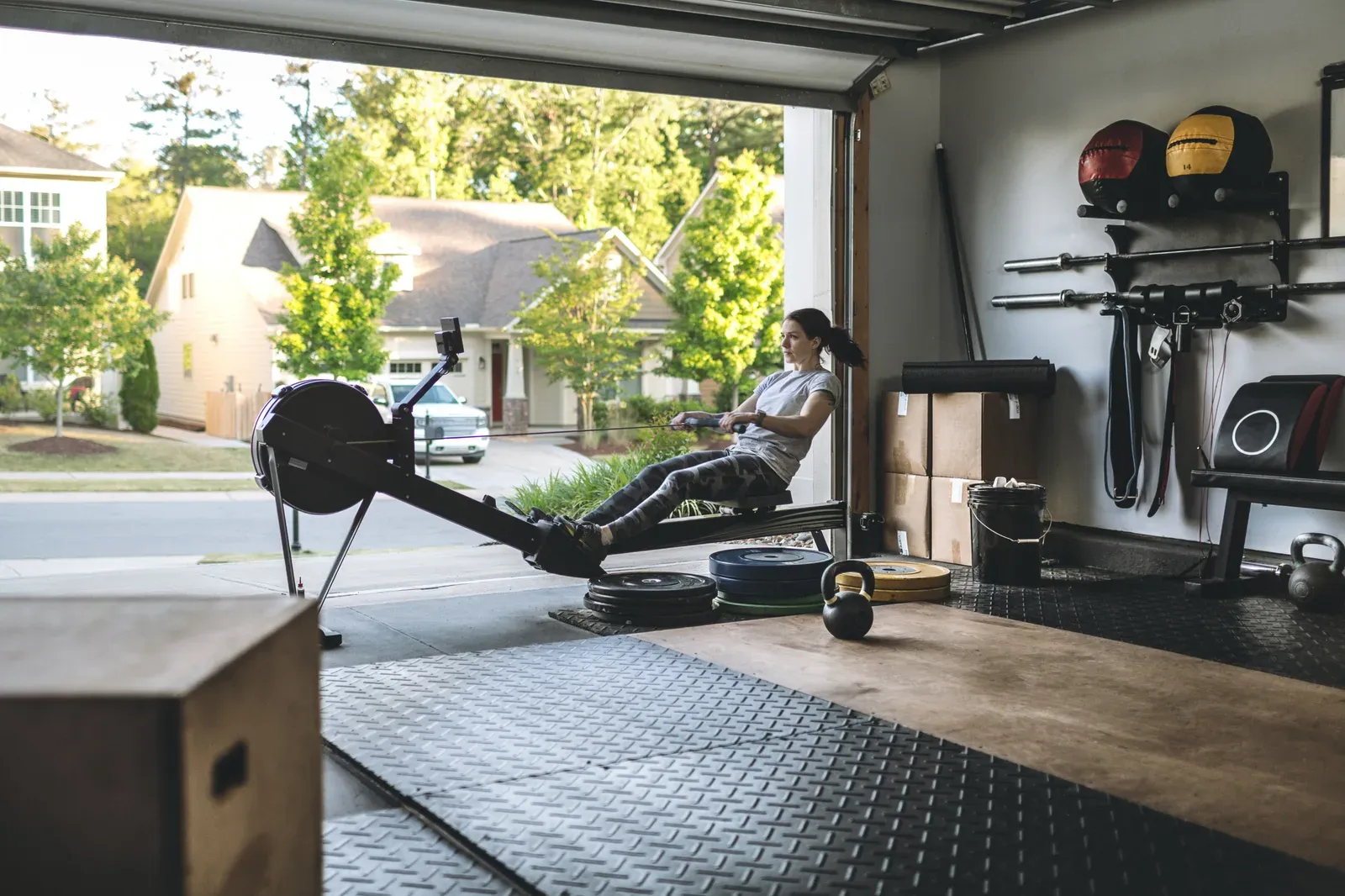
A home gym costs more at the start and less per workout over time, while a gym membership costs less at the start and the same every month, so over three years the answer depends on how often you really train. Build a simple spreadsheet with your own quotes before deciding, and consider a free consultation if you want a coach’s view on what equipment you would actually use. The sections below walk through the comparison.
The three-year frame
Three years is long enough that equipment spreads out and short enough that your life will probably change once. It also captures the early stage, when most people either build a habit or lose it. Everything here uses illustrative figures, so replace each with a local quote.
The membership side
List these items:
- Monthly dues times 36.
- Enrollment and annual fees across three years.
- Gas, parking and time for the trip.
- Add-ons you actually buy: classes, coaching, guest passes.
- Any price rise at renewal, since terms often change.
Example: dues of $40 a month, with $60 in annual fees and a $50 start-up fee, come to $1,440 + $180 + $50 = $1,670 over three years, before travel. At 100 visits across those years, that is about $17 a visit; at 300, about $5.60.
The home gym side
List these items:
- Core equipment: a rack or stand, a barbell, plates, a bench, adjustable dumbbells.
- Floor and space: a protective floor surface, storage, lighting and climate control.
- Extras you may add: a cable attachment, a rower, a pull-up bar.
- Maintenance and replacement: small parts and wear.
- Your time: assembly, and every session you skip because nobody is waiting.
Example: a modest strength setup commonly runs from a couple of thousand dollars upward, with premium kit costing much more. At $2,500 over three years and 300 sessions, the upfront cost is about $8.30 a session. At 150 sessions, it doubles.
| Scenario (3 years) | Membership | Home gym |
|---|---|---|
| 100 sessions | About $17 a session | About $25 a session |
| 300 sessions | About $5.60 a session | About $8.30 a session |
| 500 sessions | About $3.30 a session | About $5 a session |
Treat those as examples. A gym membership can look cheaper per session at every point, but a home gym has two advantages the table hides: no travel time, and no sessions lost to a bad evening commute.
What the numbers leave out
- Equipment quality. A good home setup is limited by your space and budget; a commercial floor offers variety.
- Motivation. Many people train better outside the home. Others train better inside it.
- Safety and coaching. Training heavy alone requires safety equipment and knowledge. A coach can program and check form, which matters more at home than at a busy gym.
- Life changes. A move or a new baby changes the math. Equipment follows you; a membership may not.
Hidden costs on each side
A membership hides its costs in renewals and fees you meet later, such as a price rise after the first year or an annual charge billed in a month you forgot. A home gym hides its costs in the things you did not list at purchase: a better bench after the first one wobbles, a second set of plates, a ventilation fan, and the electricity for lighting and a rower. Add a contingency of ten to twenty percent to either side so the surprises do not decide the comparison for you. Then look at the figure again after twelve months of real use, and adjust the plan if the attendance is lower than you assumed.
The middle option: a private suite
A reserved room offers the equipment without buying it. FlexWerk’s suites in Carmel City Center book by the hour through the app, with no lease and no membership, and a Standard suite holds a custom lifting rack, cable system and dumbbells. You pay for the hours you use, and you do not store anything. Each coach sets their own terms and clients of coaches receive free guest access; the free consultation is where you get exact numbers. Our page on renting a private gym without a trainer explains how individual bookings work, and private suite vs big box cost runs the comparison with a coach.
If you want coaching at home rather than a room, see in-home trainer vs private suite.
Who tends to regret each choice
People who regret a home gym usually bought before they had a habit. The equipment arrived in a burst of motivation, the garage got cold or crowded with other things, and three months later it was an expensive coat rack. The fix is simple: prove the habit first, on a membership or by renting time, then buy what you actually used.
People who regret a membership usually signed a long term for a place that did not fit their hours. They paid for quiet months, and the exit cost made quitting feel worse than staying. Reading the exit terms before you sign, as covered in gym sales pressure, protects you from that.
A third group regrets doing neither: they trained alone with no plan, hit a plateau and never changed anything. Whichever route you choose, a written program and a way to measure progress matter more than the building.
A decision rule
- If you will train at least three times a week for three years with a plan, a home gym usually wins.
- If your attendance is uncertain, rent time instead of buying equipment, either by membership or by the hour.
- If space or noise is a problem, skip the home gym.
- If you want coaching, choose the setting that makes it easiest to book and keep.
Test before you buy
Borrow a friend’s setup, use a day trial or book an hour in a private room for a month first. Then decide with your actual attendance, not your hoped-for attendance. For the other questions in the buying process, use how to choose a gym and how to work out cost per visit.
Related questions
How much space does a home gym need?
A rack, bar and bench need a clear footprint plus room to move and load plates, often a garage bay or a spare room with a sturdy floor. Measure before you buy, and allow headroom for overhead lifts.
Do home gyms hold their value?
Basic strength equipment commonly resells at a fraction of its price, while specialty machines lose more. Do not count on resale to change the three-year math.
What about a hybrid of home and gym?
It works well for many people: simple equipment at home for short sessions and a membership or booked suite for heavier or coached days. Count both costs in the comparison.