
Diastasis Recti Training in Carmel: Rebuilding Your Core the Careful Way
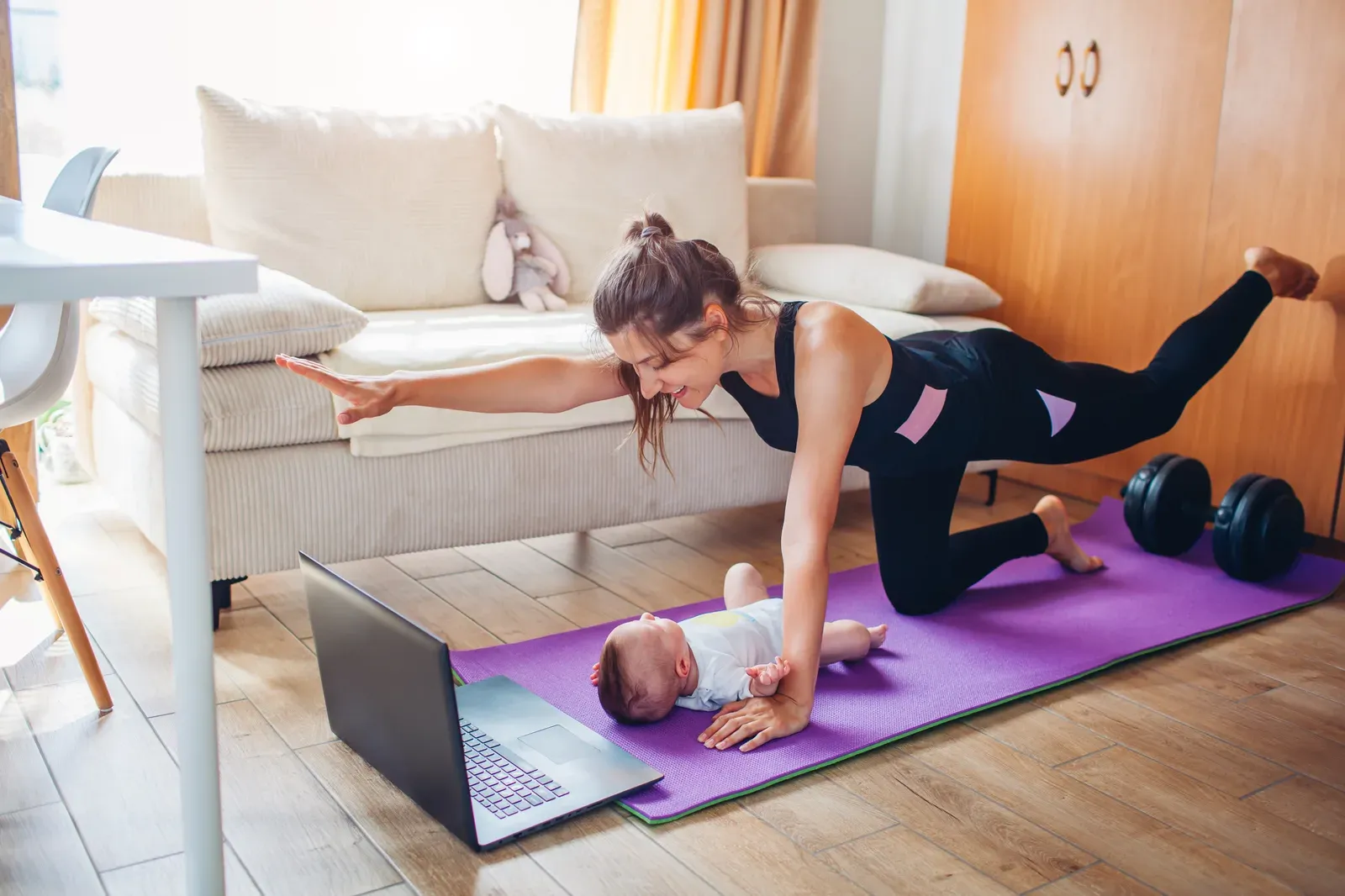
Ab separation after pregnancy is common, and the internet’s advice about it is a mess of crunch challenges and miracle claims. Coach-scope diastasis recti training in Carmel is neither: it is a gradual, pressure-aware core rebuild that begins only after your physician or pelvic floor physical therapist has assessed the separation and cleared you to train. The honest first question is not which exercises to do. It is whose care you need first.
When clinical care comes before coaching
Diastasis recti is a medical finding, and a personal trainer neither assesses it nor treats it. The width and behavior of the separation, whether tissue is generating tension, whether the pelvic floor is involved: those are questions for your physician or a pelvic floor physical therapist, and the answers shape everything a coach later does. See a clinician first, and treat these signs as a hard stop on DIY programs: pain in the abdomen or pelvis, doming or coning along the midline that persists as you move, leaking with effort, or a sense of heaviness or pressure below. Many women do a course of pelvic floor physical therapy first and bring a coach in afterward, which is exactly the right order. Nothing about that order slows your results in the long run; it is what makes the later loading safe enough to enjoy.
When you are cleared, the handoff matters. At FlexWerk in Carmel City Center, the free consultation is where that handoff happens: your birth and rehab story, whatever guidance your clinical team provided, a free InBody body composition scan for a baseline, and a plan that starts where your core actually is. Coaches here work alongside your clinical team, and the good ones will happily follow a physical therapist’s written guidance to the letter.
What a coach-scope core rebuild looks like
The rebuild is quieter than most core content suggests, and that is the point. The early work is about restoring how your trunk manages pressure and tension, not about how many reps you can survive:
- Breath first. Learning to exhale through effort and manage intra-abdominal pressure is the foundation every later exercise stands on.
- Tension before flexion. Gentle midline-tension work and supported positions come long before anything that looks like a crunch. Aggressive flexion and long planks stay shelved until your tolerance, and your clinician’s guidance, say otherwise.
- The doming test. If an exercise makes the midline dome or cone, it is too much for today. The coach regresses it, not you toughing through it.
- Full-body strength around the core. Supported squats, hinges, presses, and rows at loads your trunk can support, because a core rebuild is not ninety days of lying on the floor. The wider view of trunk work lives in our core strength training guide.
- Progression on evidence. Loads and positions advance when your body demonstrates readiness, session by session, not when a calendar says week six.
Expect some sessions to feel almost suspiciously easy. That is deliberate. The failure mode this program exists to avoid is the enthusiastic week three that sets everything back, and a coach’s presence is largely there to protect you from it.
The rest of you is allowed to train
A common myth deserves retiring: a diastasis rebuild does not mean the rest of your training stops. Lower body strength, upper body strength, and low-impact conditioning all continue, adapted so they do not outrun the core work. This is where one-on-one coaching earns its fee, because the adaptation is specific: which press variation your trunk supports today, which hinge load, which cardio option leaves symptoms quiet. Our pelvic floor safe training guide covers the pressure and impact side of that same coin, and the broader postpartum picture, energy, scheduling, and all, lives on the postpartum personal training page.
Progress tracking shifts with the season, too. Early on, the wins are behavioral: symptom-free sessions, better pressure control, a midline that stays quiet under loads it used to dome against. As full-body training resumes, the InBody rescans add an objective layer, showing muscle returning even while the core work itself still looks modest from the outside. Both kinds of progress count, and a coach makes sure both get noticed.
Why this works better behind a closed door
Core rehab in public is nobody’s favorite activity. The exercises look small, the topic is personal, and a crowded floor makes both worse. At FlexWerk every session happens in a private reserved room, one on one, where the program can look exactly like what it is, patient and specific, with no audience and no commentary. Your coach is matched through FlexConnect from the more than 40 independent professionals working at Carmel City Center, and postpartum experience is precisely the kind of specialty worth requesting in the match.
The practical details help a new-parent schedule too. Hours run 5 AM to 9 PM on weekdays and 7 AM to 4 PM on weekends, which means a session can happen before the house wakes up or in the gap a partner’s lunch break creates. The building sits at 885 Monon Green Blvd with garage parking a short walk away, and the Monon Trail outside the door makes stroller walking an easy add between sessions when the weather cooperates. Many moms pair one standing weekly session with a short home day their coach outlines, which keeps momentum through the weeks when family logistics win.
If your midline still does not feel like yours, start with your clinician, then bring their guidance to the free consultation and let a coach rebuild the rest, patiently, from there.
Related questions
Can a personal trainer fix diastasis recti?
No, and be wary of anyone who promises to. Assessment and treatment belong to your physician or a pelvic floor physical therapist. A trainer's role is rebuilding strength gradually within the guidance your clinical team provides.
When should I see a pelvic floor physical therapist first?
If you have pain, persistent doming or coning along your midline, leaking, or a feeling of heaviness or pressure, start with your physician or a pelvic floor physical therapist before any training program. Coaching comes after clearance, not before.
How soon after having a baby can I start?
That is your physician's call, usually made around your postpartum checkup. Whenever clearance comes, a coach starts from wherever you are, and starting gently later beats starting aggressively early.