
What Should I Wear and Bring to My First Training Session?
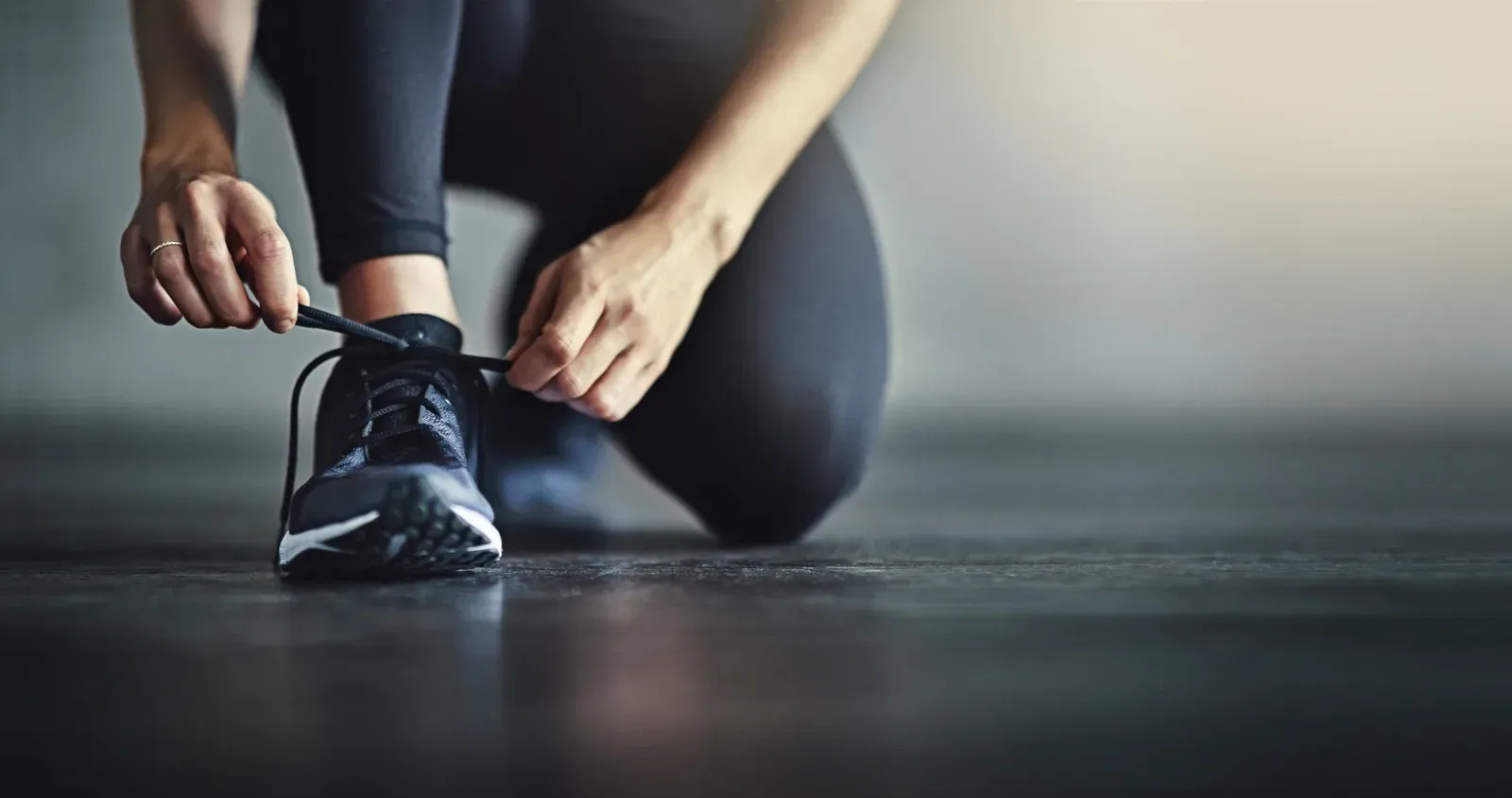
Wear athletic shoes you already own, clothes you can actually move in, and nothing brand new, then bring a water bottle, your health history (medications, conditions, old injuries), and honest answers. That’s the complete list. The first session is an assessment and a starting point, not a performance, and nobody is grading your outfit, at FlexWerk there isn’t even an audience to grade it, since sessions happen inside a private suite.
What to wear: the two-minute answer
Feet first, because it’s the only choice that matters much: wear flat, stable athletic shoes if you have them, general trainers are fine, and anything you can squat and walk in comfortably beats anything fashionable. Above the ankles, the rule is range of motion: shorts or leggings you can lunge in, a shirt you can raise your arms in, layers you can shed as you warm up. Comfort beats style by a mile, and familiar beats new by two. Day one is the wrong day for stiff new shoes or a top you’ve never sweated in, new gear introduces variables, and the first session is about establishing your baseline, not testing your wardrobe. One private-suite note worth knowing in advance: you control the room. A FlexSpace is a private suite with its own music, TV, and adjustable lighting, and no strangers’ eyes, so the low-grade outfit anxiety that keeps people out of commercial gyms has nothing to attach to here. Dress for movement and forget the rest. One caveat on footwear: if all you own are thick-cushioned running shoes, wear them anyway, day one is not a shopping errand, but mention it, and your coach will tell you if and when flatter shoes are worth it for lifting.
What to bring: five things, one of them paper
- Water. The suite has WiFi and a screen; it does not have your water bottle unless you bring it.
- Your health history. Medications, diagnosed conditions, surgeries, and old injuries, written down if the list is long. Your coach will screen for these anyway (that’s what the PAR-Q is for), and having accurate answers ready makes the screen meaningful. If your physician has given you any exercise guidance or restrictions, bring those words verbatim, your coach programs inside them, and medical questions themselves stay with your doctor.
- A small towel if you sweat heavily and like having your own.
- Your calendar. The most valuable five minutes of a first session is often scheduling the next several, training frequency is decided here, not in the gym. Fair warning that the best slots go early, FlexWerk’s weekday hours start at 5 AM, and the before-work window is competitive real estate.
- A light meal, eaten earlier. Not a thing you carry, but a thing to plan: something familiar an hour or two before, so you’re neither fasted nor sloshing.
What to deliberately leave at home
Skip the pre-workout supplement on day one, your coach needs to see your actual baseline energy, and a stimulant blurs it. Skip the weight belt, the lifting gloves, the compression everything; if specialized gear ever becomes useful, your coach will say so, and it won’t be in week one. Most importantly, leave behind the idea that you need to arrive “ready.” People postpone their first session for months believing they should get a little fitter first, which is exactly backwards, the assessment exists to meet you where you are, and you don’t need any baseline fitness to start. The version of you that shows up slightly out of shape with honest answers is the ideal first-session client. The same logic applies to pre-session cramming: a hard solo workout the day before, to “be ready,” only muddies the baseline your coach is trying to read. Arrive rested and let the assessment see the real you.
How the first session actually flows (so nothing surprises you)
Knowing the shape of the hour removes most first-day nerves. Expect a conversation before any movement: goals, schedule, history, the substance of what happens at a first training session. If you haven’t already done it at your consultation, you’ll get an InBody body-composition scan, which becomes the baseline every future re-test is measured against; lighter clothing and empty pockets keep it consistent, which is one more quiet argument for simple athletic wear. Then movement, deliberately submaximal. A good coach uses day one to watch how you squat, hinge, push, and carry, not to flatten you. If you leave feeling worked but not wrecked, that’s not softness; that’s a professional establishing a starting line they can build on. Expect to finish with next steps rather than a sales pitch: your session dates, anything to do before the next one, and a clear picture of the first month.
The only prep that actually matters
Clothes and water bottles are logistics. The preparation that changes your outcome is honesty: the real goal (not the modest version you say out loud), the real schedule (not the aspirational one), the real history (including the shoulder you’ve been ignoring and the programs you’ve quit before). Every honest answer becomes program design; every polite omission becomes a flaw in the plan. If you haven’t booked yet, the path starts even before the first session, with a free consultation that includes the goals conversation, the free InBody scan, and a coach match, no obligation attached. Show up in your old sneakers with true answers, and you’ll have brought everything the process needs.
Related questions
Do I need to buy anything before starting?
No. Athletic shoes you already own and clothes you can move in cover it. If training sticks, you can upgrade gear later based on what you actually do, buying nothing upfront is the correct move.
Should I eat before the first session?
A light, familiar meal an hour or two beforehand works for most people, not fasted, not stuffed. Your coach will fine-tune this with you over time; day one is not the day to experiment.
Does what I wear affect the InBody scan?
Scans are typically most consistent in lighter clothing with shoes and heavy items like jackets or big pockets removed, and consistency matters more than perfection, since your baseline is compared against your own future re-tests.