
What Is Functional Fitness?
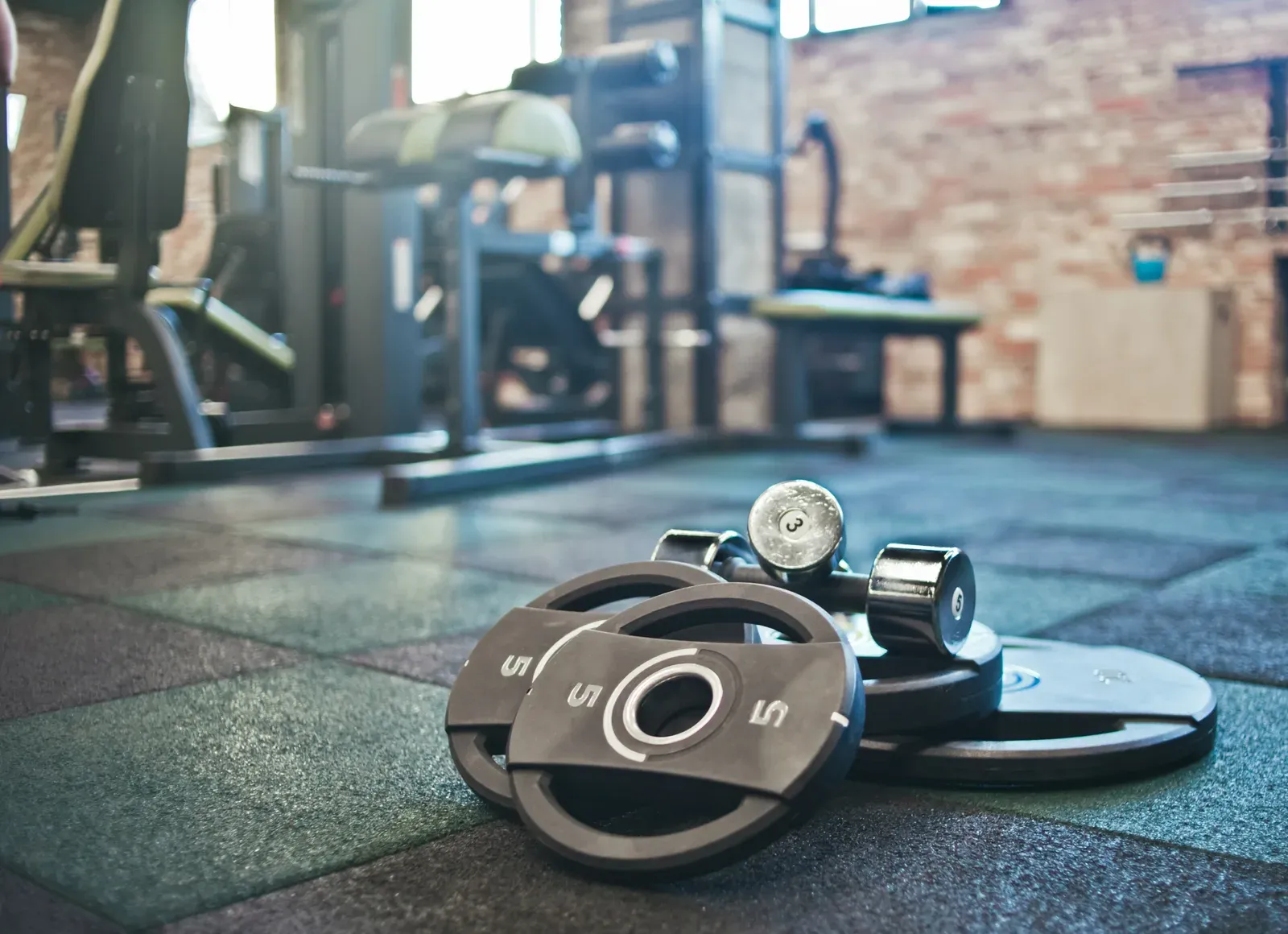
Functional fitness is training that improves your capacity for the movements real life demands: squatting down, hinging to lift, carrying loads, pushing, pulling, and staying stable while you do it. The honest secret of the term is that it mostly describes what good strength training has always been. Train the big human movement patterns progressively, and you are doing functional fitness, whatever the sign on the door says.
What “functional” actually means
A movement is functional when improving it transfers to life outside the gym. The definition is that simple, and it maps onto a short list of patterns your body already runs daily: squatting (chairs, car seats, toilets), hinging (lifting anything off the floor), carrying (groceries, luggage, children), pushing and pulling (doors, mowers, furniture), and resisting collapse through your core while your limbs work.
Train those patterns against gradually increasing resistance and daily life gets easier in direct, literal ways. The Hoosier calendar supplies its own test set: shoveling out from a typical winter’s 22 inches of snow is hinging and carrying, hauling mulch bags in May is a loaded carry, and lifting a suitcase into an overhead bin is a press. Functional fitness is simply making sure the version of you doing those things has capacity to spare. If you want a plan built around your particular life, that conversation is exactly what a free consultation is for.
What counts, and where the marketing haze begins
Here is the candid part: “functional” became a marketing word, and it gets stretched to sell both sensible training and circus tricks. Two clarifications cut through most of the noise.
First, ordinary strength exercises are the most functional things you can do. A goblet squat, a deadlift, a dumbbell row, a farmer carry: these are the movement patterns of daily life, loaded and progressed. Nothing about a barbell makes an exercise non-functional.
Second, instability does not equal functionality. Standing on a wobble board pressing light dumbbells looks “functional” but mostly just makes you better at wobble boards, because the instability forces loads so light that strength barely changes. Real-life stability comes from being strong through your trunk and hips under meaningful load, which is why carries and offset-loaded work beat balance-toy circuits for almost everyone.
A fair rule of thumb: if a program trains squat, hinge, push, pull, carry, and core with progressive resistance, it is functional, whatever it calls itself. If it is a highlight reel of novelty movements that never get heavier, it is entertainment, which is fine, as long as you know which one you bought.
Functional training vs traditional strength training
The honest answer is that a well-designed program is both, and the differences are emphasis, not category. Traditional strength programs sometimes tilt toward machines and single-muscle isolation; a functional emphasis tilts toward free weights, standing positions, and patterns that use several joints at once. But the overlap is enormous: the squats, hinges, presses, rows, and carries at the center of a functional program are the same lifts at the center of any good strength program.
Where the functional lens genuinely earns its keep is programming priorities, especially as you age: grip and carry capacity, single-leg strength and balance, the ability to get up off the floor, and power you can still express at 70. Those capacities predict independence later in life, which is why coaches weight them for clients who care about the long game. On the competitive end of the spectrum, event-style formats have built entire races out of functional patterns; what HYROX training involves covers that world for the curious.
What a functional program actually looks like
A typical coached week is unglamorous and effective: two or three sessions built around one squat pattern, one hinge, one push, one pull, and a carry or core piece, loaded a little heavier or for a little more volume as the weeks pass, with mobility woven into warm-ups. A sample template makes it concrete: Monday pairs goblet squats and rows with a farmer-carry finisher; Thursday pairs Romanian deadlifts and presses with core work; a weekend walk or ride covers the aerobic side. Nothing exotic, everything progressive, and every piece maps to a demand your life already makes. Progression is the entire trick. The functional label without progressive overload is stretching with extra steps.
If you already lift, you may be closer than you think: audit your current week for missing patterns, most commonly carries and single-leg work, and patch those rather than starting over.
This is also why coaching matters more here than in machine-based training: free-weight movement patterns have technique to learn, and learning them right the first time beats unlearning bad habits later. At FlexWerk in Carmel, that learning happens one-on-one in a private suite with a rack, cables, and dumbbells, no audience while you practice, and no waiting for equipment between patterns. For someone brand new, the first session is mostly movement assessment for exactly this reason: your coach needs to see your squat and hinge before loading them.
If your goal was never a physique competition, just carrying your life with ease for a few more decades, functional fitness is the training you were looking for, and you almost certainly qualify to start; how fit you need to be to begin is less than you think. Book a free consultation, and a coach will build the squat-hinge-push-pull-carry week that matches the life you actually lift.
Related questions
Is functional fitness better than regular strength training?
It mostly is regular strength training. Squats, deadlifts, presses, rows, and carries are the most functional exercises there are, so a well-built strength program and a functional program overlap almost completely.
Is functional training good for beginners?
Yes, arguably ideal, because it teaches the movement patterns daily life uses anyway. Beginners benefit most from coaching early, while those patterns are still being learned.
Do I need special equipment for functional fitness?
No. Dumbbells, a rack, cables, and floor space cover essentially everything. The method is defined by movement patterns and progression, not by gadgets.