
Can I Work With a Personal Trainer if I Have Multiple Sclerosis?
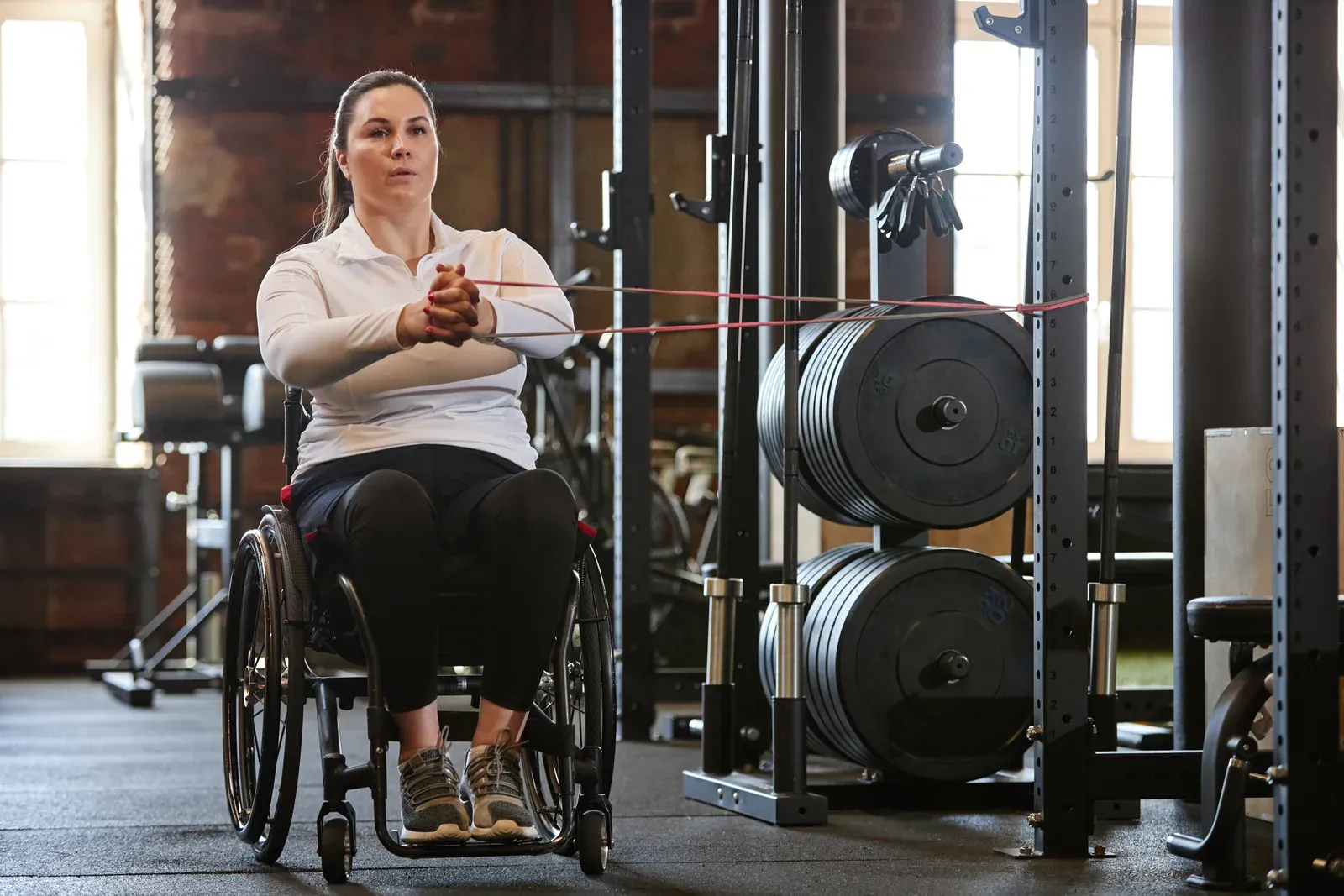
Yes, many people living with multiple sclerosis work with a personal trainer, on one condition: your neurology team agrees coached exercise is appropriate for you, and the program respects the two things MS rarely negotiates on, heat and fatigue. A trainer diagnoses nothing, treats nothing, and promises nothing about symptoms. What the right coach provides is careful, supervised strength and balance work inside your clinical team’s boundaries, in an environment built for exactly this kind of pacing. Near Carmel, that environment is a climate-controlled private room at FlexWerk in Carmel City Center, and the first step is a free consultation where your care team’s guidance shapes everything before a single exercise is chosen.
Ask your neurology team first
Before any session, put three questions to your neurologist: is coached exercise appropriate for me right now, is there anything I should avoid, and what should a trainer know about my situation? Bring the answers in writing. If a physical therapist is part of your care, the coach’s job is to complement that plan, never replace it; the boundary between the two professions is spelled out in our answer on trainers versus physical therapists. Any coach who shrugs at clearance paperwork is the wrong coach for this.
Heat-aware training is the difference
Many people with MS find that overheating makes everything harder, which turns the training environment into a first-order decision rather than an afterthought. Central Indiana does not help: summers here run humid and into the upper 80s and 90s for weeks at a stretch. A heat-aware setup looks like this:
- A climate-controlled private room instead of a packed gym floor, with the session paced to keep effort, and body temperature, under control.
- Early time slots when cooler hours help. Weekday hours start at 5 AM, so training can beat the heat entirely.
- Built-in cooling breaks. Water, rest, and unhurried transitions between exercises, with nobody waiting for your equipment and no class tempo to chase.
- Effort held deliberately submaximal. The goal is consistent, repeatable sessions, not exhausted ones.
Fatigue-paced, balance-smart sessions
MS-aware coaching plans for variability instead of pretending it away. Sessions have good-day and hard-day versions, shrink when energy is short, and count stopping early as the plan working. Inside that pacing, the work itself is quietly fundamental: supported strength patterns with the room’s rack, cables, and dumbbells, seated options whenever they serve better, and balance practice with a coach within arm’s reach on a clear floor, following the same progressions as our coached balance training answer. Anything that changes, in energy, sensation, or steadiness, gets reported back to your care team rather than interpreted by your coach. The same pacing-before-pushing philosophy anchors our answer on personal training after long COVID, and for good reason: it is the careful way to coach any fatigue-shaped condition.
What this looks like near Carmel
FlexWerk sits at 885 Monon Green Blvd at Carmel City Center, steps from the Monon Trail, with garage parking a short walk from the door. Every session runs in a private reserved room, and coach matching goes through FlexConnect, which pairs you with one of more than 40 independent professionals; experience with MS or other neurological conditions is exactly the kind of requirement to name in the matching conversation. The consultation is free and includes a free InBody body composition scan for a baseline, with every result staying in coach scope: numbers to track, never anything to diagnose.
If your clinical team agrees coached exercise belongs in your routine, bring their guidance to the free consultation and start with a plan built around your energy, your temperature rules, and your goals.
Related questions
Do I need medical clearance to train with MS?
Yes. Ask your neurology team whether coached exercise is appropriate for you, what should be avoided, and what pacing rules apply. A responsible coach asks for that guidance before the first session and treats it as fixed.
Why does heat matter so much for training with MS?
Many people with MS notice they feel worse when overheated, which makes the training environment and pacing genuinely important. What applies to your case is a conversation for your care team; a coach simply builds sessions that keep effort and temperature controlled.
Will exercise improve my MS symptoms?
That is a question only your neurologist can answer for your situation, and a trainer should promise nothing about symptoms. A coach's scope is strength, balance, and consistency inside the limits your clinical team sets.