
Bad Knees on Indy's North Side: The Slow Road Back to Strong Legs
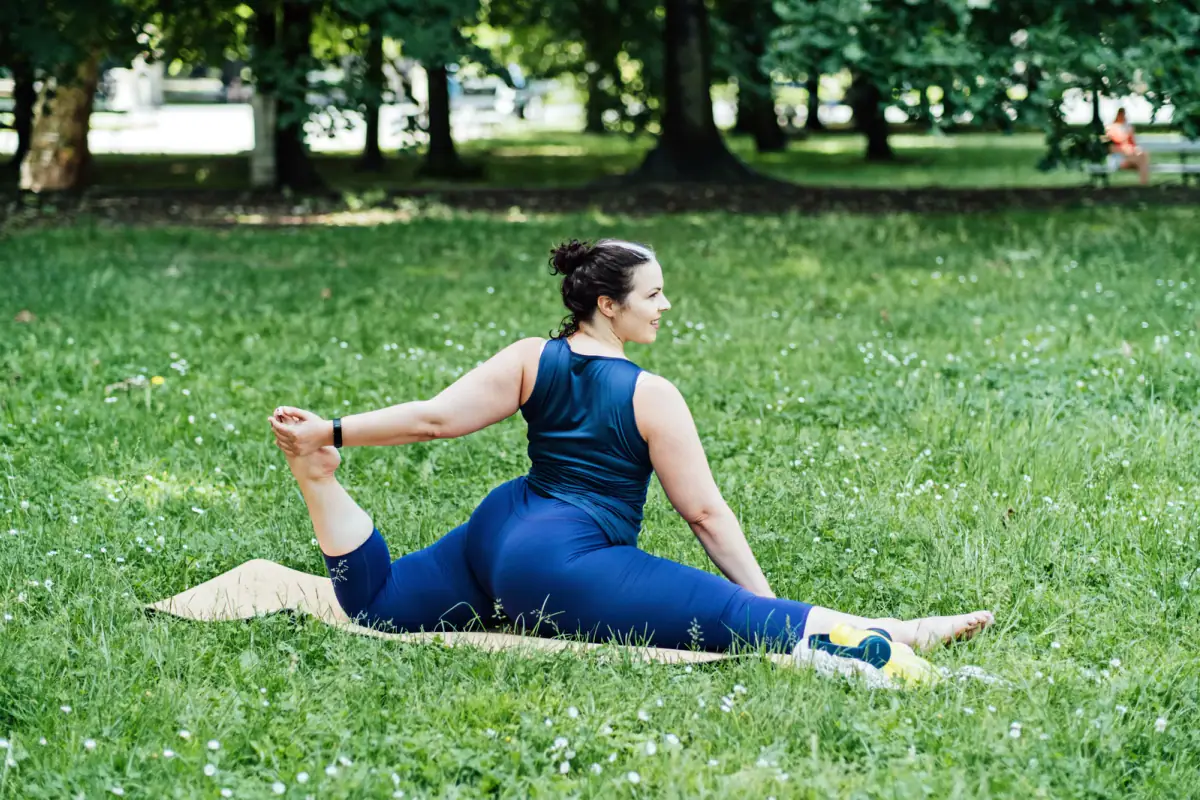
The way back to comfortable stairs, long city walks, and eventually your old Monon miles is graded progression: increases small enough for your knee to accept without protest, repeated patiently for months. No template can pace that for you, which is why it is coaching work, and no coach should start it before a physician or physical therapist has cleared you to train. For the north side, that coaching happens one on one at Carmel City Center; the north Indianapolis personal training page maps the trip from your neighborhood.
The boundary between professions matters here. Diagnosing why a knee hurts and treating it are clinical jobs, and a coach who respects your knee will insist on that step. The coach’s territory is what comes after: exercise selection, load, tempo, and the judgment calls between visits, with anything unfamiliar routed straight back to your clinical team. Where that line sits is worth understanding; see trainer versus physical therapist.
Progression measured in months, not workouts
A knee-aware program moves one dial at a time and writes everything down. Week to week that looks almost boring: the same supported squat pattern with slightly more weight, a step-down from a marginally lower height, a longer isometric hold. The magic is cumulative. Muscle around the knee builds gradually, tolerance expands behind it, and six months of records show a distance no single session could cover. When a week goes sideways, the coach trades intensity for volume the knee accepts, and the streak survives.
Conditioning without the collisions
Runners and cyclists between 62nd and 96th tend to fear that cranky knees mean losing their engine. Cleared conditioning does not have to pound. The dedicated cardio rooms hold rowing machines, vertical climbers, and curved treadmills, three ways to work genuinely hard with minimal impact, and a coach slots them around the strength work so fitness holds while the knees rebuild. If and when running returns is a clinical decision; keeping you fit enough to enjoy it is coaching.
Practicalities north of Broad Ripple
College, Meridian, and Keystone each run you to Carmel City Center without touching an interstate: 10 to 15 minutes from Nora, 15 to 20 from Broad Ripple or Meridian-Kessler, moving against the commute both morning and evening. The Monon Trail connects Broad Ripple to the front door at 885 Monon Green Blvd for anyone whose clinician approves the ride, and garage parking covers everyone else. Sessions run in a private reserved room, matched through FlexConnect with a coach whose experience fits a knee brief, and the free consultation opens with your history and a free InBody baseline. For the complete knee playbook, the Carmel bad knees guide goes deeper on every dial.
Get the clearance, then let a coach turn it into a program with a pace your knees can keep.
Related questions
How slowly should knee-friendly training progress?
Slower than most people plan and faster than doing nothing. Coaches typically advance one variable at a time, a little more load or a slightly lower box, then wait to see how the knee responds before advancing again. Months of small steps beat weeks of big ones.
Can I keep walking or riding the Monon while my knees are cranky?
That call belongs to your physician or physical therapist, since it depends on what is going on in your knee. Once they set the boundaries, a coach builds strength work that supports whatever mileage they allow.
Do I have to give up hard cardio while building my knees up?
Usually not, if your clinical team has cleared conditioning. Rowing, vertical climbing, and curved treadmill walking can push your heart rate honestly without the repeated impact of running, which is why they anchor most knee-aware conditioning plans.