
Personal Trainer After Hip Replacement Near Fishers: Precautions Come First
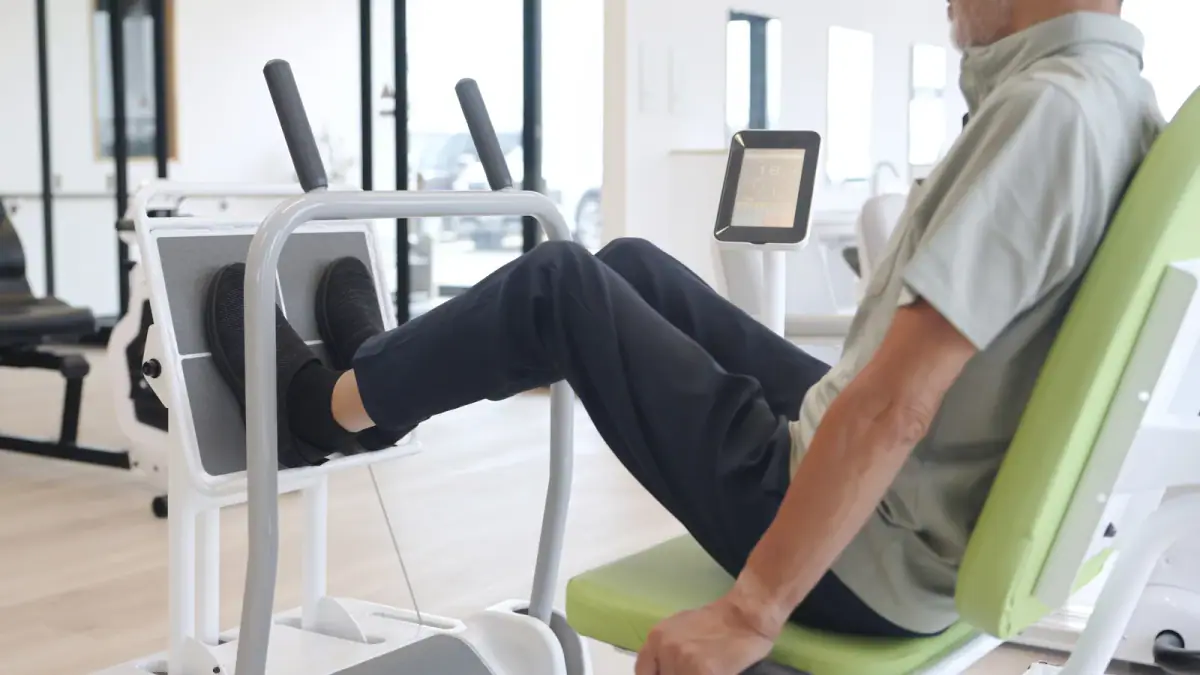
Every serious conversation about training on a new hip starts with a list of things you will not be doing. Near Fishers, a personal trainer after hip replacement builds the entire early program inside your surgical precautions, and accepts the job only once your physical therapist has discharged you and your surgeon has approved general exercise. The broader coaching options for your area are collected on the Fishers personal training page.
Precautions differ by person, procedure, and surgical approach, which is why no responsible coach assumes them, softens them, or recites them from memory. Yours come from your team, ideally on paper, before programming exists.
The walls go up before the work starts
A first meeting is mostly collection. Which movements or positions your surgical team restricted, and for how long. What your physical therapist wants continued from the home program. What your surgeon said about load and progression. Only when those walls are standing does exercise selection begin, and every choice gets made inside them. If a restriction and an exercise ever conflict, the restriction wins automatically; the formal division of labor behind that rule is spelled out in trainer vs physical therapist.
Sessions inside the lines
Early hip work is quiet by design. Bench-supported sit to stands, hinge patterns at friendly depths, step practice with support in reach, walking capacity added in small planned doses, and strength for the trunk and the non-surgical side, which carried extra load for months. Progression happens in modest recorded steps, never against clinical advice, and never toward a position or range your team has not opened. New pain, swelling, warmth, or a hip that suddenly feels unstable ends the session and starts a call to the surgeon’s office. Between appointments the homework stays short and defined, a walking dose and a handful of blessed movements, so busy households are never asked to improvise. The complete first-months picture, precaution by precaution, is the hip replacement training guide.
Surviving a Fishers week
The program only counts if it happens, and Fishers weeks are contested territory: commutes, practices, school calendars. Two things help. Doors at Carmel City Center open at 5 AM on weekdays and the drive from most of Fishers lands between 15 and 20 minutes on 116th or 146th, so a session can clear before the day starts asking questions. And the appointment itself runs in a private reserved room with a coach expecting you, which outlasts busy weeks far better than good intentions do. Weekends run 7 AM to 4 PM, which rescues the weeks when the weekdays collapse. FlexConnect handles the match, and naming your surgery when you ask is both allowed and wise.
When the precaution list is in hand and the clearance is official, bring both to a free consultation and let the program be built around them.
Related questions
My surgeon gave me movement restrictions. Can I still train?
Yes, once you are discharged from physical therapy and cleared for general exercise; the restrictions simply become the program's outer walls. A coach never relaxes or reinterprets them, because only your surgical team can.
Does the coach coordinate with my physical therapist?
With your consent, good ones will, and at minimum the program is built from your discharge documents and home exercise plan. Anything symptomatic goes straight back to your clinical team rather than being trained through.
How do sessions survive a packed family and work week?
By being appointments in a reserved room with a coach expecting you. Weekday doors open at 5 AM and close at 9 PM, which leaves room on either side of a Fishers commute or the school run.