
How Many Meals a Day Do You Need to Build Muscle?
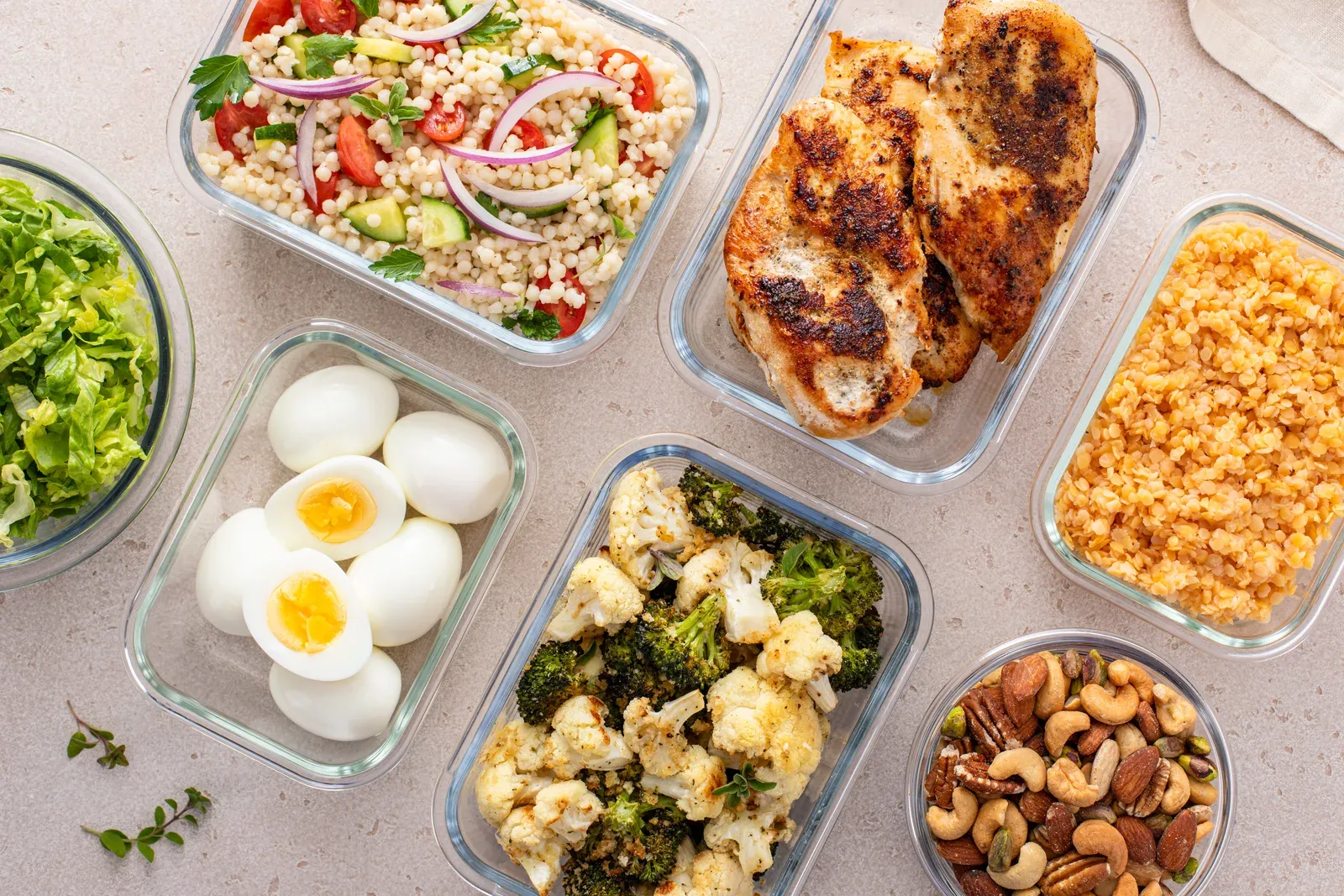
You need as many meals as it takes to reach your daily protein and calorie targets, and for most people that is three to five, because meal frequency matters far less than total intake. Muscle grows from the sum of what you eat and how you train over weeks. Whether you split that food into three plates or six has only a small effect once the totals match.
Totals first, spacing second
Think of the order of priorities. First comes total calories, enough to support growth without a large surplus. Second is total protein across the day. Third is even distribution of that protein, and last is how many sittings you use to get there. The first two do almost all the work.
Spreading protein evenly helps a little because muscle responds to each protein feed, but the benefit is modest and easy to capture. For specifics on how much to aim for in each meal, see protein per meal for muscle.
A practical layout
Here are three common patterns. Choose by schedule, not by rule.
| Pattern | Meals | Best for | Watch out for |
|---|---|---|---|
| Three meals | Breakfast, lunch, dinner, plus an optional snack | Steady routines, smaller appetites | Needing larger protein servings per meal |
| Four meals | Three meals plus a post-workout or afternoon snack | Most lifters, easiest protein spread | Snack becoming a calorie leak |
| Five meals | Three meals plus two snacks | Higher calorie targets, hard gainers | Prep time and constant eating |
In a three-meal day, aim for a palm or two of protein at each. In a five-meal day, the snacks can carry less. The hand portion method is a way to size those servings without weighing food.
If your schedule is chaotic
Desk jobs, school pickups and early shifts break neat plans. When that is your week:
- Anchor on protein at two or three fixed points, such as breakfast and dinner, and fill the middle however you can.
- Keep a portable option like yogurt, jerky, a protein shake or a sandwich for the days that run long.
- Do not skip a meal to “catch up” later if it leaves you under your targets for the day.
A protein shake is one way to close a gap but not a requirement, a point covered in do you need protein shakes.
What to check if you are not gaining
If your weight and lifts are flat despite a pattern that looks right, count honestly for a week. Many people discover they are well under target on busy days. If tracking is not for you, the calorie counting decision guide lays out other ways to check. For a surplus size, see how many calories to build muscle.
A sample three-meal and five-meal day
To make the choice concrete, here is the same 2,600 calorie, 150 gram protein day arranged two ways.
Three meals: breakfast of eggs, oats and fruit (about 35 grams protein); lunch of chicken, rice and vegetables (about 50 grams); dinner of fish or beef with potatoes and a salad (about 55 grams), plus a yogurt before bed.
Five meals: the same breakfast, a mid-morning cottage cheese bowl, a smaller lunch, an afternoon shake and a dinner. Protein lands around 30 grams per feeding.
Both reach the same totals. The five-meal day suits a smaller appetite and a long workday, while the three-meal day suits someone who prefers fewer decisions. Muscle does not care which you pick, so choose the one you will repeat.
Next step
Choose a layout, run it for four weeks and track your lifts and weekly weight average. If it fits your life, keep it. If not, switch patterns, not goals. A coach can build the schedule around your week, and a free consultation with an InBody scan gives you a baseline to check against.
Related questions
Do I need to eat every three hours to build muscle?
No. That advice comes from older bodybuilding habits, not from evidence that spacing meals tightly is necessary. If total protein and calories are in place, evenly spaced meals are a convenience, not a requirement.
Is eating six small meals better than three big ones?
Not for muscle. Research comparing meal frequency with intake held equal finds little difference. The right choice is whichever lets you hit your targets without feeling stuffed or hungry.
What if I only have time for two meals?
It can still work if each meal has enough protein and your total calories reach the target. You may find it harder to eat enough in two sittings, so a snack or shake often fills the gap.