
How Long to Deadlift Your Bodyweight as a Beginner?
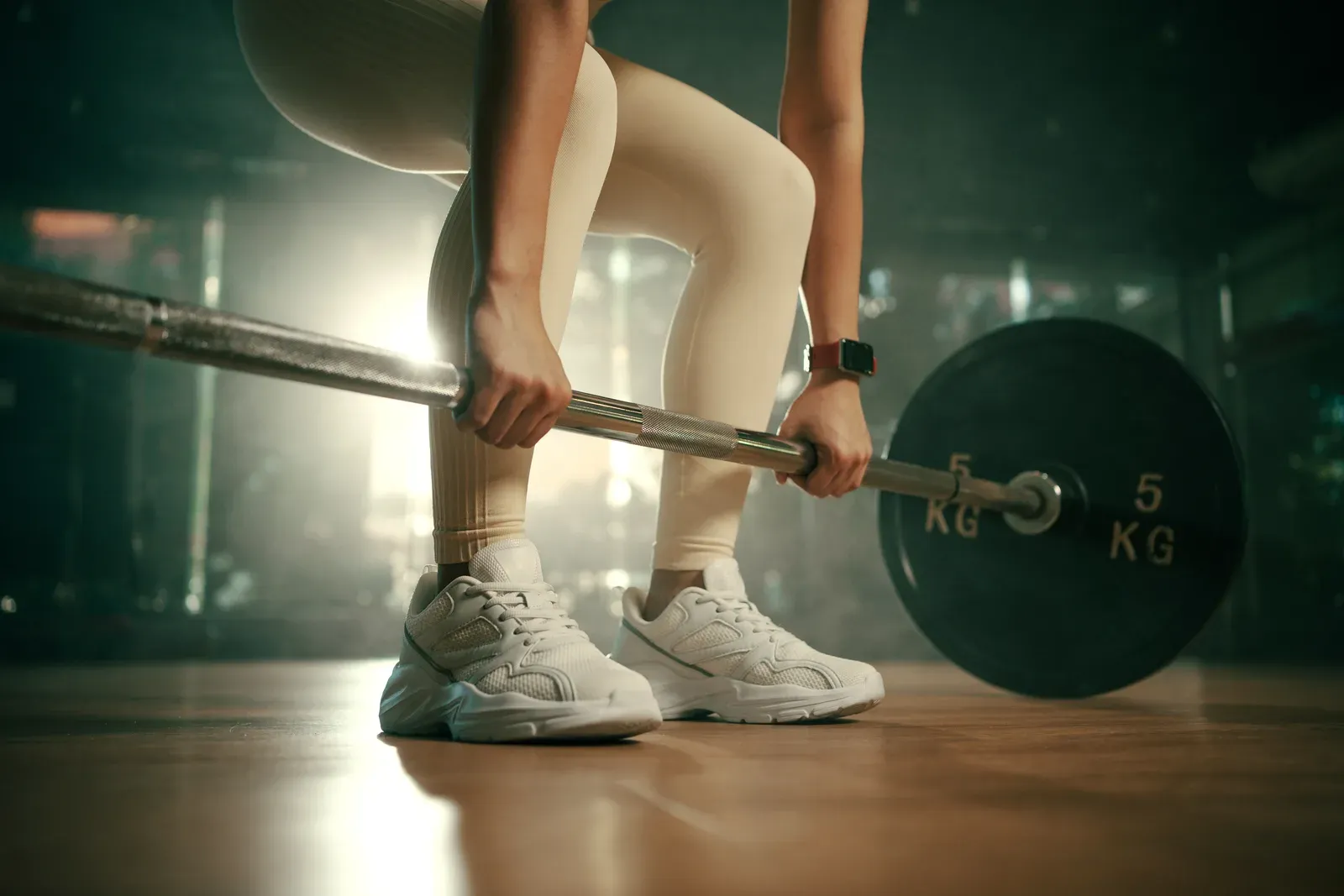
Most beginners can deadlift their own bodyweight within about two to twelve months of consistent training, with the shorter end typical for men in their twenties and thirties and the longer end for women and older adults. These are rough, commonly cited ranges, not promises, because starting strength, body size, sleep and consistency all change them. A free consultation can help you set a starting plan.
Typical timelines
| Starting point | Common range |
|---|---|
| Man under 40, new to lifting | about 2 to 6 months |
| Woman under 40, new to lifting | about 4 to 9 months |
| Adult 40 to 55, new to lifting | about 4 to 10 months |
| Adult over 55, new to lifting | about 6 to 12 months or more |
Heavier people often have an easier target in relative terms, because mass helps leverage, and lighter people often find the number lower in pounds. For wider reference points, the strength standards guide explains how these benchmarks are built and where their limits lie.
Phase one: learn the hinge (weeks 1 to 4)
Practice the movement with a light kettlebell or dumbbell, or an empty bar raised on blocks. The cues are simple: push your hips back, keep your back flat and your arms long, and push the floor away as you stand. Two sessions a week, three sets of eight, is enough.
Phase two: build the base (weeks 5 to 12)
Add weight in small steps, perhaps five to ten pounds a week on the bar at first, as long as every rep looks the same as the last. Alongside it, train the muscles that support the lift: Romanian deadlifts, rows, split squats and a trunk exercise such as a farmer’s carry.
Phase three: climb toward bodyweight (months 3 and beyond)
Progress slows as the weights get heavier. Switch to adding the smallest plates, and use a rep range of three to six on the main set. Every few weeks, take a lighter week so recovery catches up.
Form checkpoints
- The bar starts over the middle of your foot.
- Your shins touch the bar, and your shoulders are slightly in front of it.
- Your back stays flat from the neck to the tailbone.
- The bar travels in a straight line close to your legs.
- You finish tall, without leaning back.
If any of these breaks down, stay at the current weight. A coach watching from the side catches problems that you cannot feel, which is the purpose of a lifting form check.
What slows people down
Skipping meals, sleeping badly, jumping weight too quickly, and testing your max too often. Also, grip can fail before the back does; chalk or straps help on heavy sets.
How to warm up on pull day
A short ramp keeps the heavy set sharp. For a working weight of 135 pounds, you might do an empty bar for eight reps, then 65 for five, 95 for three and 115 for one, and then your work sets. The goal is to feel the hinge and the brace, not to tire yourself out. Beginners often skip this and wonder why the first heavy rep feels awkward.
Next step
Choose a day each week for the deadlift, record the weight, and increase it only when the last set looks as good as the first. At FlexWerk in Carmel, a private suite with a custom lifting rack lets a coach set the starting weight and the schedule, and each coach sets their own terms.
Related questions
Is a bodyweight deadlift a good goal?
It is a popular and reasonable milestone for many adults. The right goal for you depends on your age, health, training history and what you want strength for.
How often should I deadlift?
Once or twice a week suits most beginners, with at least two days between heavy sessions. More frequent light practice can help with technique.
Is deadlifting bad for my back?
Done with sound form and gradual progression, it is commonly used to build back and hip strength. If you have back pain or a diagnosed condition, check with your physician before starting.