
How Fast Can You Lose 1 Percent Body Fat?
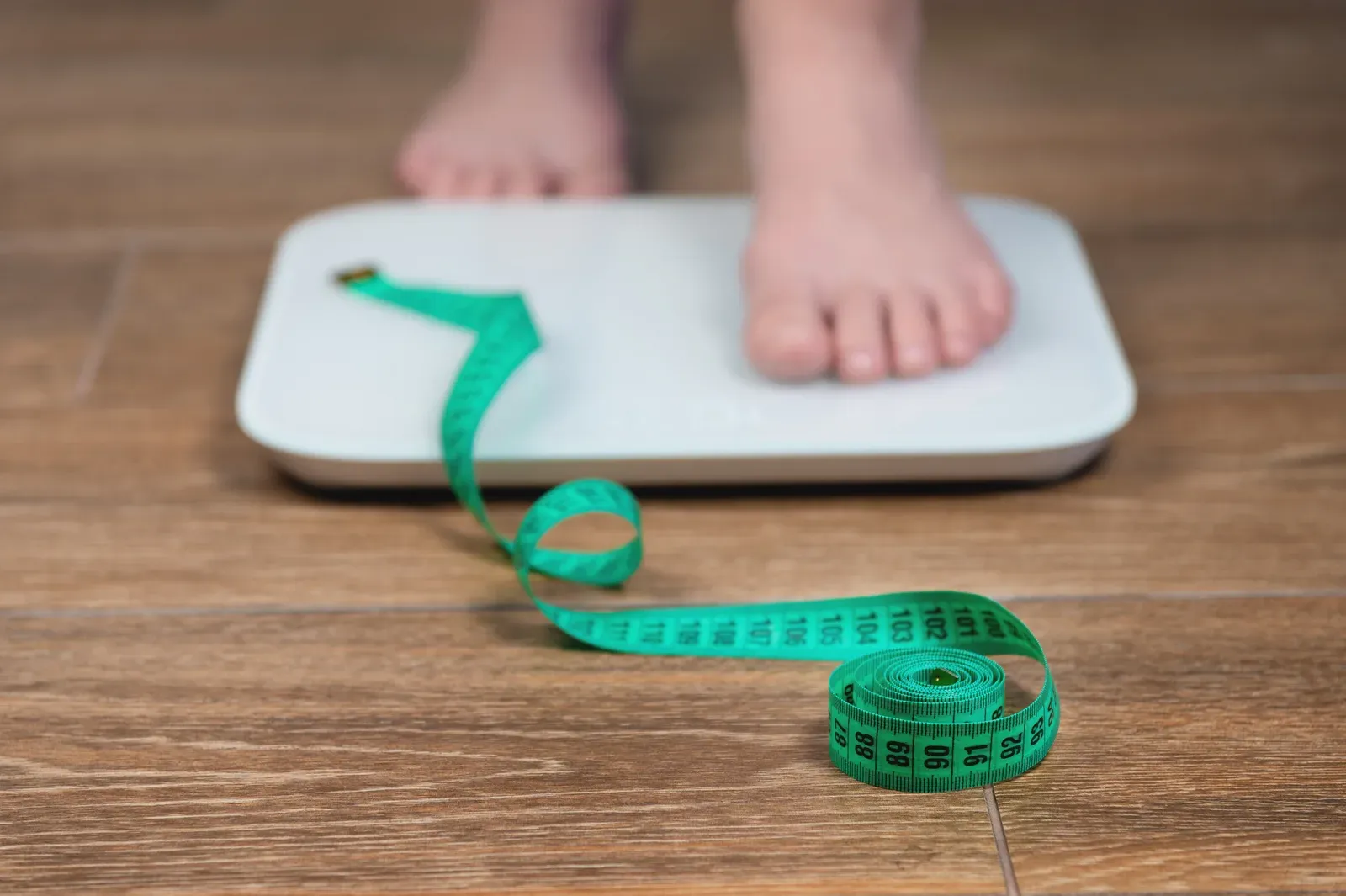
For most adults, losing 1 percentage point of body fat means losing about two to two and a half pounds of actual fat, which at a steady pace of a pound a week takes roughly two to three weeks. The exact figure depends on your size and starting level. If you want to see it with your own numbers, the free consultation includes an InBody body composition scan, and booking one gives you a starting figure to run the math on.
The formula, in plain terms
Percent body fat is fat mass divided by total weight. When you lose fat, both numbers fall, so the percentage drops a little less than you might expect. If your lean mass stays the same, the pounds of fat needed to drop one point is:
fat to lose = 1 percent of your weight, divided by (1 minus your body fat share, plus 0.01).
You do not need to memorize it. The table does the work.
| Starting weight | Starting body fat | Fat to lose for 1 point | Weeks at 1 lb a week |
|---|---|---|---|
| 140 lb | 30 percent | About 2.0 lb | About 2 |
| 180 lb | 30 percent | About 2.5 lb | About 2.5 |
| 180 lb | 20 percent | About 2.2 lb | About 2 |
| 220 lb | 35 percent | About 3.3 lb | About 3 |
These are estimates that assume lean mass stays constant. Real bodies move a little off the table, but it gives the order of magnitude.
What pace is realistic
A commonly cited rate of fat loss is about half a percent to one percent of body weight per week. For a 180 pound person, that is roughly a pound a week. The old rule that a pound of fat equals about 3,500 calories is only an approximation, since the body adapts as weight drops, but it is a fair planning number.
So a person who loses a pound a week might drop a point every two to three weeks on paper. Over 12 weeks that could add up to four or five points. In practice, the rate slows as you get leaner, and holidays, travel and stress interrupt it.
Why your scan will not follow the math
Body composition scans estimate fat from electrical signals. Hydration, a recent meal, a hard workout, sweat and the time of day all change the reading. That means two scans taken under different conditions can disagree by a point or two with no real change.
Four habits cut the noise:
- Scan at the same time of day, ideally in the morning.
- Skip heavy exercise the day before and avoid a big meal an hour or two before.
- Drink normally, not extra and not less.
- Wear similar clothing and use the same device each time.
Our guide to how often to rescan suggests an interval where the real change outgrows that noise. For a deeper look at how different methods compare, see InBody vs DEXA accuracy.
When the percentage lies to you
Percentages can fool you in both directions. If you gain muscle while losing fat, your weight may stay flat and your percentage may drop faster than the fat pounds suggest, because the lean mass is growing. If you lose weight quickly and some of it is muscle, the percentage may hardly move even though the scale does.
That is why fat pounds and muscle pounds matter alongside the percentage. A scan that shows fat down two pounds and muscle up half a pound is good news even if the headline point is stuck. Read why muscle can weigh more than fat on a scale for the weight side of the same story.
Setting a target that makes sense
Pick the number of points, then convert it to pounds and weeks using the table. If you want to drop five points from 30 percent, plan for 12 to 15 pounds of fat loss and about three to four months at a sustainable pace. The healthy body fat by age page shows commonly cited ranges, and the realistic body fat goal guide helps you choose a goal that suits your age and frame.
Medical conditions and medications change these numbers. If you have diabetes, thyroid disease, or take medication that affects weight, ask your physician before setting an aggressive pace.
Using a coach to read the numbers
At FlexWerk in Carmel, the first scan comes with the free consultation, and your coach sets the format and schedule for rescans. Bring two prior measurements if you have them, and ask for fat pounds and muscle pounds, not only the percentage. Then pick a date four to six weeks away, and compare under matched conditions.
Related questions
Can I lose 1 percent body fat in a week?
Only if you lose about two to two and a half pounds of fat in that week, which is faster than most people can sustain. Much of a big one-week drop on a scan is water or measurement noise.
Why did my body fat percentage not move when I lost weight?
If some of the weight lost was muscle or water, the percentage barely shifts. Compare fat pounds and muscle pounds across scans, not only the headline percentage.
Is it better to lose fat slowly?
A pace of about half a percent to one percent of body weight per week, as commonly advised, tends to protect muscle and be easier to keep. Faster losses cost more lean mass.