
HIIT for Beginners Over 50: Safe Ways to Start
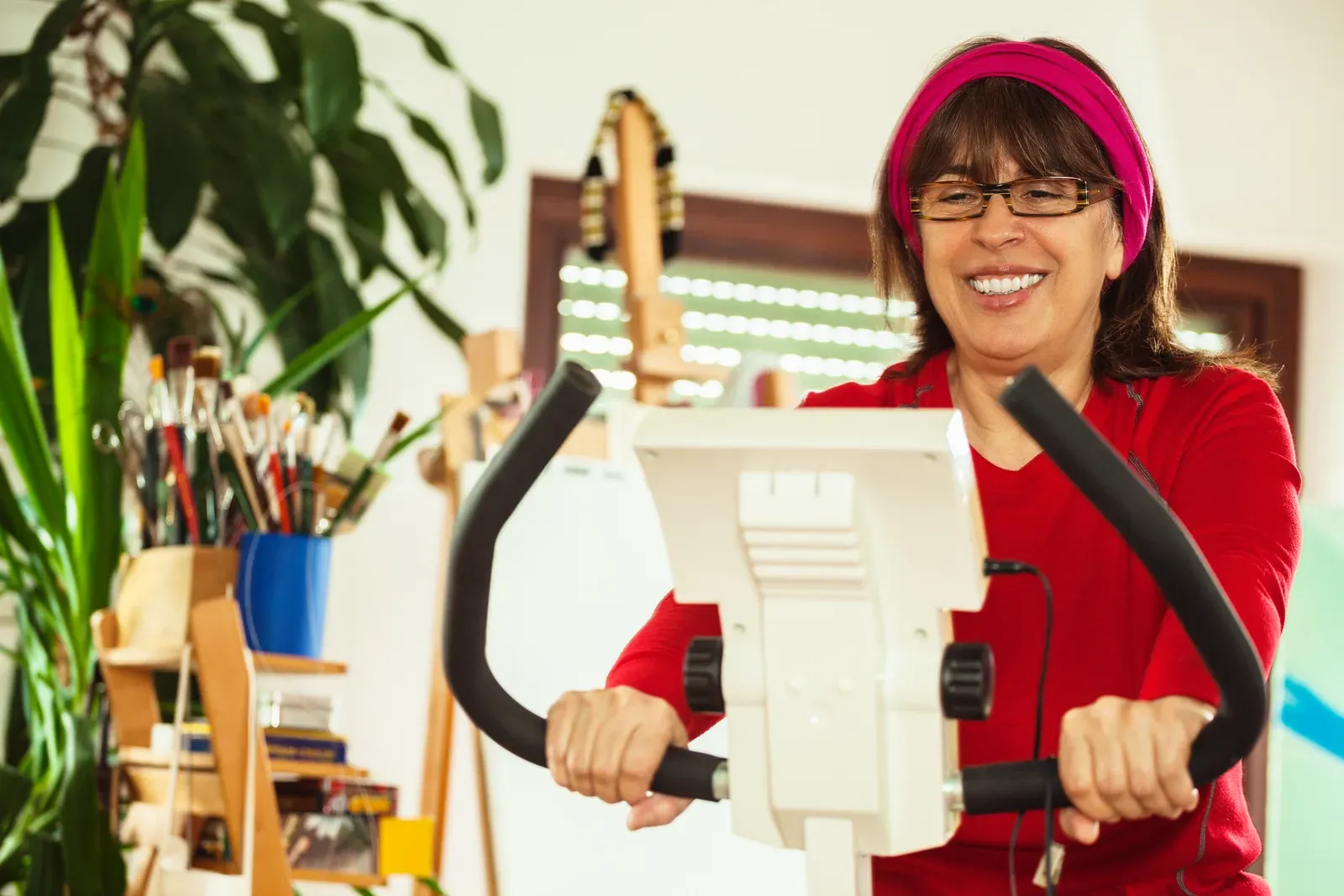
HIIT is a reasonable starting point for most beginners over 50 once a physician has cleared you, and the safe way to begin is one short, low-impact interval session a week with long recoveries. Think rower, bike or incline walk, not burpees and box jumps. The first month is about teaching your heart and joints the pattern, not proving anything. The over-50 training page shows how coaching in Carmel handles this stage of life.
Ask your physician first
Intervals raise heart rate and blood pressure faster than steady cardio. Before your first session, ask your physician these questions:
- Is there any reason my heart or blood pressure would limit hard efforts?
- Do any of my medications change heart rate response, such as a beta blocker?
- What heart rate or symptom should make me stop?
- Should I have an exercise stress test before starting?
- Are there joint or balance issues to work around?
Bring the answers to your coach. A coach programs within what your clinician says and never in place of it.
The gentle starting recipe
Pick low-impact equipment and use a warm-up of 5 to 8 minutes at an easy pace. Then:
- Week 1 to 2. 6 rounds of 20 seconds hard and 100 seconds easy. Hard means a 7 out of 10 effort, not an all-out sprint.
- Week 3 to 4. 8 rounds of the same, or 6 rounds of 30 seconds hard and 90 seconds easy.
- Week 5 to 8. 8 rounds of 30 seconds hard and 60 seconds easy.
Finish with 5 minutes of easy movement and a short walk. Keep one interval day per week at first; our weekly cap guide shows when a second one fits.
Which progress lever to pull first
Add rounds first, shorten rest second, and raise intensity last. Intensity is the lever that costs the most recovery, and after 50 recovery is the limiting resource. Strength training matters just as much here, because muscle and bone are what protect you over the next decades, and the over-50 intensity guide explains how hard lifting sets should feel.
Warning signs and the talk test
Stop the session and call your physician if you notice chest pressure, pain radiating to the arm or jaw, unusual breathlessness, dizziness or an irregular heartbeat. For ordinary effort, use the talk test: you should be able to say a short sentence during the hard part and speak normally again within about a minute of the easy part. If you cannot, the intervals were too hard or too long.
Choosing the right machine and setting
A rower teaches a clean hinge and uses legs, back and arms together, but it needs a few minutes of technique first. A stationary bike is the gentlest for knees and balance. An incline walk on a treadmill suits people who prefer to stay upright and on their feet. Whatever you choose, set it up so you can hop off at once, keep water close and avoid slippery floors. Quiet, uncrowded space helps beginners focus on breathing and form rather than keeping up with the room.
Where a coach helps
A coach sets rounds and rest to your response, watches rower form and keeps hard days away from your lifting. For the longer view on aerobic capacity, read about raising VO2 max after 40. The free consultation at FlexWerk includes an InBody scan to set a baseline, and each coach there works on their own terms.
Related questions
Is HIIT dangerous after 50?
Not by itself for a healthy adult who builds up gradually. Risk rises when a person with an unchecked heart or blood pressure issue jumps straight to maximal efforts, which is why the physician conversation comes first.
What is the best machine for a first interval session?
A stationary bike, rower or incline walk. They deliver the heart rate with almost no impact on knees and hips.
How do I know if I went too hard?
If you cannot talk in short phrases within a minute of the recovery, felt dizzy, had chest tightness or were still wiped the next day, ease off and tell your physician about any chest or dizzy symptoms.