
GLP-1 in Menopause and Muscle Loss: Protect Muscle Twice
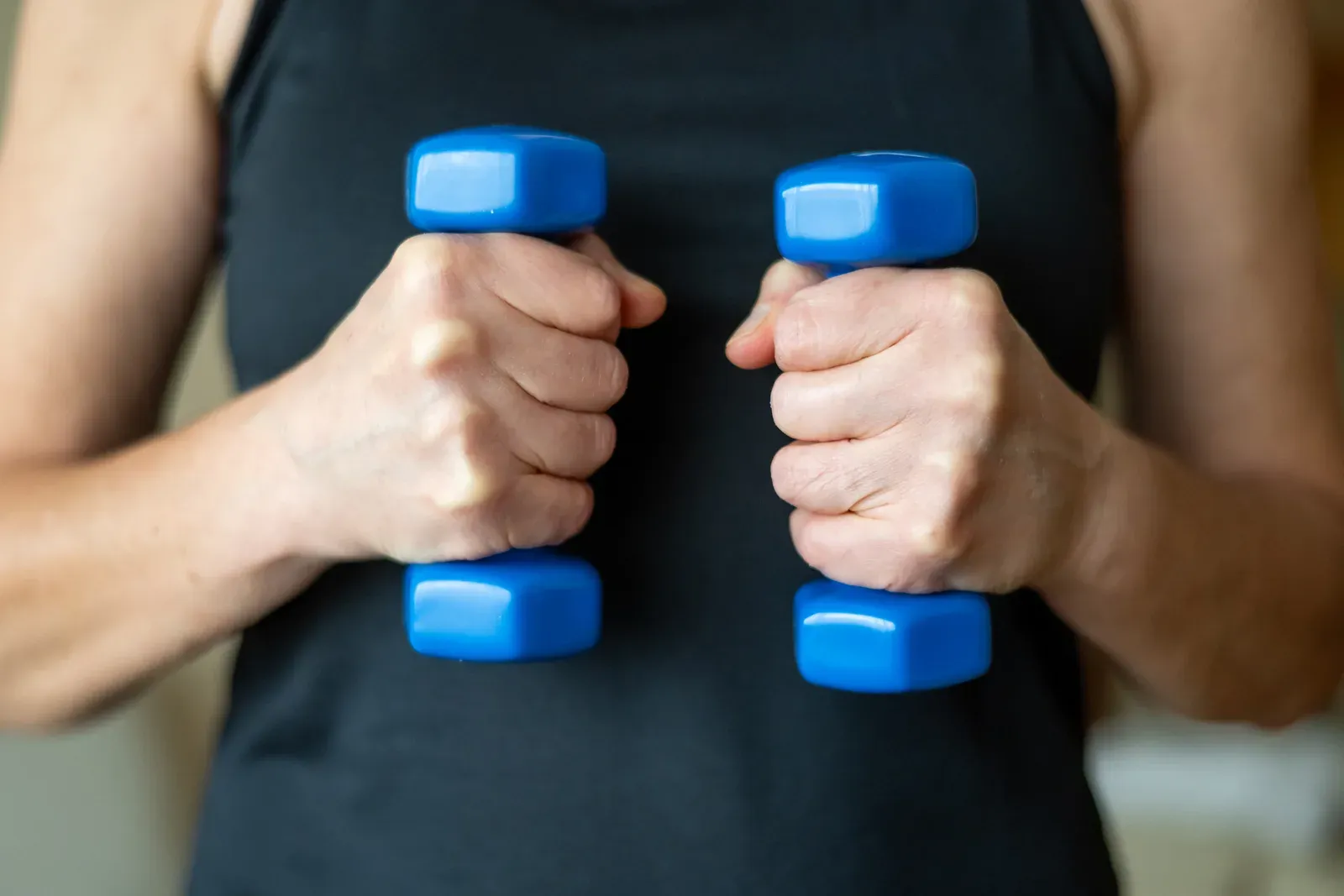
Two forces are pulling on the same muscle. A woman taking a GLP-1 medication through perimenopause or menopause is managing two risks to muscle at once, so she should tell her physician and prescriber about both and make heavy, progressive lifting the priority. The hormone side, the medication side and any bone question stay with those clinicians. The training side is a straightforward, specific job, and it is the focus of GLP-1 personal training for women at this stage.
Why the risks stack
Menopause is associated with changes in muscle, fat distribution and bone, and many women notice that holding strength gets harder. A GLP-1 medication can add to that, because weight loss commonly includes some lean mass. Each risk is manageable alone, and together they raise the stakes for how you train. This is not a reason to avoid either; it is a reason to plan.
What changes in the training
Guidance in this season usually leans on a few principles:
- Prioritize lifting. Two to three sessions a week, with loads that challenge you.
- Progress gradually. Heavier loads over months, not days.
- Include the whole body. Legs, hips, back, chest and arms.
- Add impact only when cleared. If your physician is comfortable, some loading that stresses bone has a place.
- Keep cardio as support. Easy walking is enough for most days.
For why heavier loads matter after menopause, see the heavy lifting after menopause guide, and for the age dimension, the muscle loss over 60 guide.
Joint, sleep and energy realities
Joint aches, poor sleep and hot flashes are common in this stage, and they affect training. Practical adjustments include:
- Warm up longer if joints are stiff.
- Choose machines or supported positions when aches flare.
- Schedule sessions at your best time of day.
- Keep the room cool, since heat can worsen discomfort.
- Treat sleep as part of the plan and mention persistent problems to your physician.
A private suite helps because you control the temperature and the pace. FlexWerk Carmel suites are reserved by the hour, and the coach adapts the session to how you arrive.
Protein and food
With a smaller appetite, protein is easy to miss, and it is the nutrient that supports muscle. Your prescriber or a registered dietitian sets targets, and a coach helps with habits such as protein first at meals. The bone loss guide covers the loading side of staying strong, and the question of bone testing belongs with your physician.
Track what matters
- Strength on your main lifts.
- Tape measurements at shoulders, waist and thighs.
- Energy and sleep.
- A body composition scan. The free consultation includes an InBody scan, and later scans show whether muscle is holding. Numbers are references for coaching, never diagnoses.
Questions to ask your physician and prescriber first
- Should I have bone health checked given my age and weight loss?
- Is heavy lifting appropriate for me, and with what limits?
- How should hormone-related symptoms be handled, and does that affect training?
- How should I eat if my appetite is small?
- What symptoms should have me contacting you?
What a coach does
A coach designs the lifting plan, adjusts around symptoms and tracks progress. A coach does not advise on hormone therapy, supplements or medication. Each coach sets their own terms, and the free consultation is the place to share your clinicians’ guidance and agree on a first plan.
Related questions
Is hormone therapy part of the plan?
That is a decision for you and your physician. A coach does not advise on hormone therapy, but can adjust training around whatever you decide.
Should I worry about my bones?
Bone health is a medical topic. Ask your physician whether a bone density check makes sense, and know that lifting is a commonly recommended part of staying strong.
Can I still lift heavy during weight loss?
Many women can, with clearance from their physician and gradual progression. A coach builds loads slowly and watches how you recover.