
How to Get Stronger Without Getting Bigger
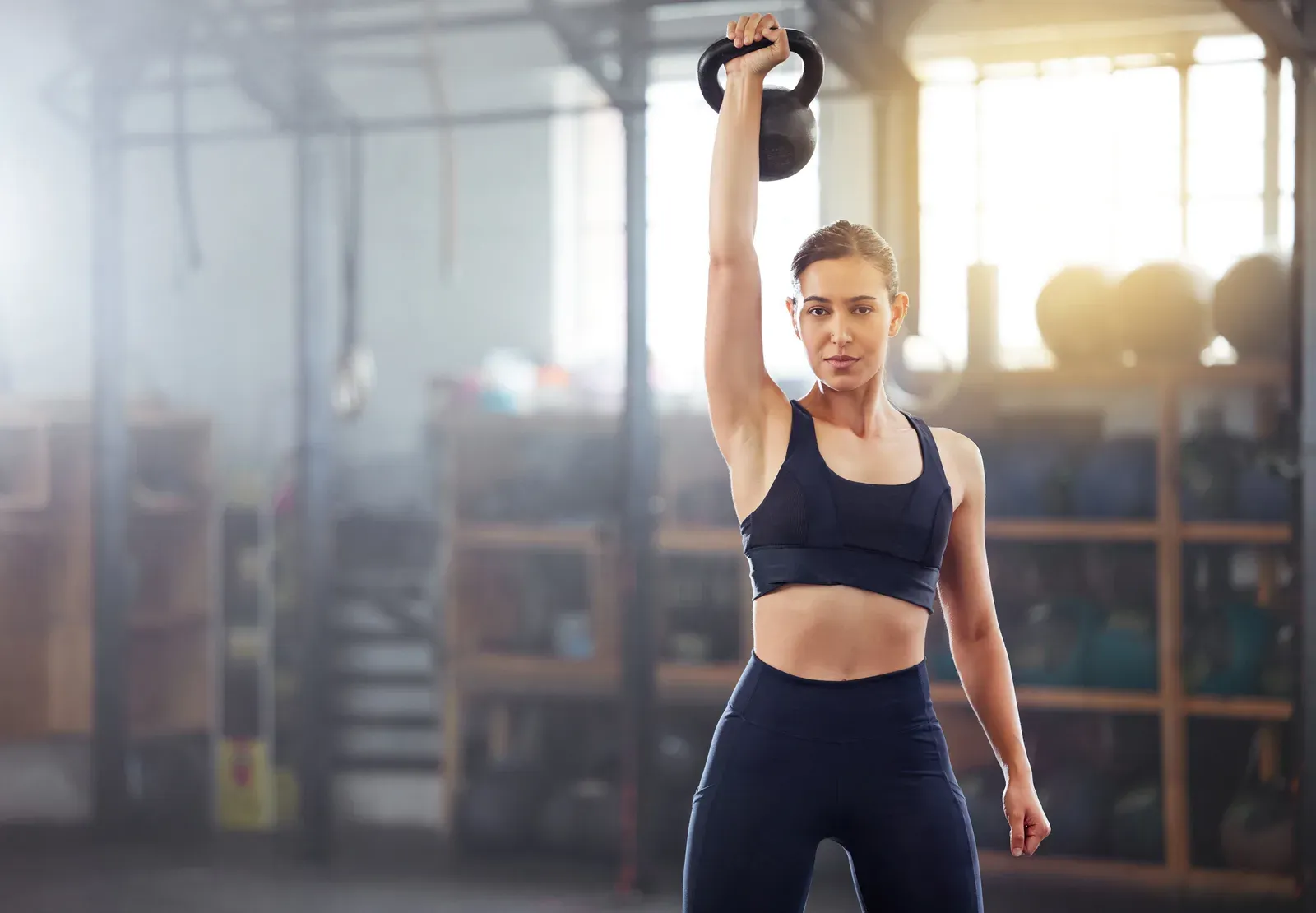
To get stronger without getting much bigger, lift heavy weights for low reps, rest fully between sets, keep total volume modest and eat around maintenance calories. Strength and size overlap, but they are not the same thing. Much early strength comes from your nervous system learning to use the muscle you already have. A free consultation can help you set the plan.
Strength is a skill as well as a muscle
When you start lifting, your brain gets better at recruiting muscle fibers, coordinating the lift and bracing. That is why beginners can double the weight on an exercise over a few months without looking different. Practice the same lifts often and keep the reps low, and you train the skill more than the size.
The programming levers
| Lever | Strength focus | Size focus |
|---|---|---|
| Reps per set | 2 to 5 | 8 to 15 |
| Rest between sets | 2 to 4 minutes | 1 to 2 minutes |
| Sets per muscle per week | fewer, about 6 to 10 | more, about 10 to 20 |
| Effort | heavy, a rep or two in reserve | closer to failure |
| Calories | near maintenance | slight surplus |
Pick the strength column, and the training sends a different signal. Practice a few big lifts, such as a squat, deadlift, press and row, rather than many isolation exercises.
Calories do most of the sizing
Muscle needs fuel to grow. Eating near maintenance, with enough protein to support recovery, allows strength gains while limiting size gain. Eating in a surplus tends to add size alongside the strength. If you also want to lose fat, a small deficit may shrink you slightly while still letting you get stronger as a beginner.
What this means for common goals
- You are worried about bulk. The bulky question page explains how slowly visible size develops.
- You compete in a weight-class sport. Keep a stable body weight and cycle heavy low-rep blocks.
- You want to feel strong in daily life. Two or three full-body sessions a week with heavy, simple lifts is enough.
A sample week
Two or three sessions, each with a squat or leg press, a hinge, a press, a pull and a carry. Do four to five sets of three reps on the first two lifts, and two or three sets of five to eight on the rest. Add a small weight each week. When progress stalls, the strength plateau guide lists the order of fixes.
Honest limits
You cannot completely avoid muscle gain, particularly as a beginner or when returning after a break. Some added size is a sign the training works. Use the strength standards page for reference points, and treat the goal as strength measured in the gym rather than inches.
A simple rule for progression
Pick a top weight for three sets of three. When all three sets feel crisp, add the smallest increment next session. If one set slows noticeably, repeat the weight. If two sessions in a row go badly, take a lighter week. This keeps the work low in volume, high in quality and easy to track, which is the whole point of a strength block.
Next step
Choose three lifts, set a rep target of three to five and write down this week’s weights. At FlexWerk in Carmel, a coach can set the structure in a private suite, and each coach sets their own terms.
Related questions
How low should the reps be?
Sets of two to five reps at a heavy but controlled weight are a common choice. Keep a rep or two in reserve and rest two to four minutes between sets.
Will I still grow at all?
Some, especially as a beginner. The aim is to tilt the balance toward strength, not to eliminate all change in muscle.
Do I need to eat less?
Not necessarily. Eating around maintenance and not in a large surplus keeps size gains modest. If you want to stay in a weight class, a coach can help adjust intake.