
How to Gain Weight as a Woman: Muscle, Not Just Pounds
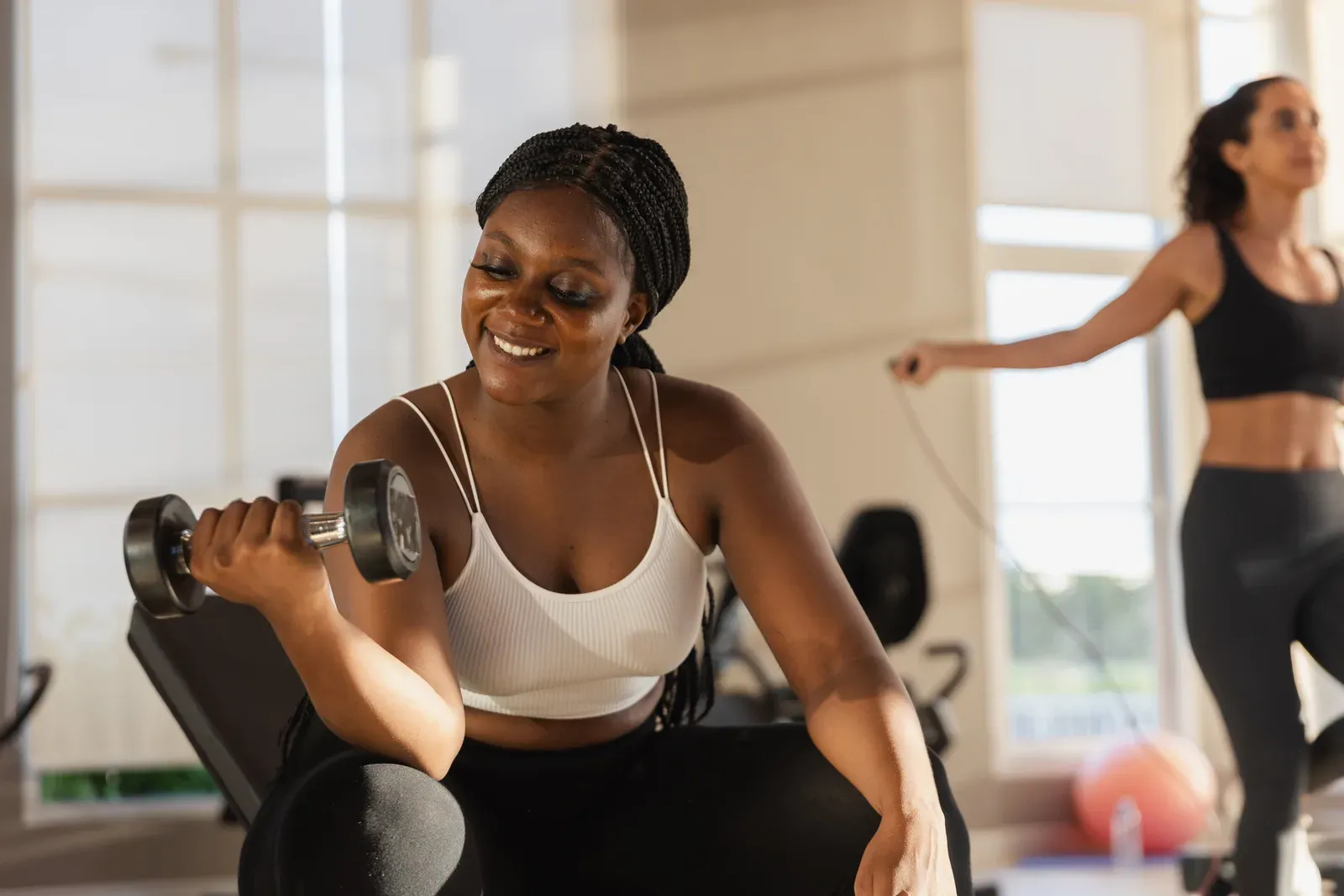
To gain weight as a woman in a healthy way, eat a modest, steady calorie surplus every day and lift weights two to four times a week, so the extra energy is used to build muscle rather than stored only as fat. If your low weight is unplanned, new, or comes with fatigue, missed periods or difficulty eating, speak with your physician first, because those can have medical causes. A free consultation helps you set a baseline.
Step one: rule out what needs a clinician
Unintentional weight loss, a history of disordered eating, digestive problems, thyroid issues, or very low appetite are all reasons to involve a physician or a registered dietitian before you change training. A coach can support the gym side of the plan alongside them. The guide to nutrition coaches and dietitians explains who handles what.
Step two: build a small surplus
Aim to eat roughly 250 to 500 calories above your usual intake, adjusting every two to three weeks based on your weight trend. Larger surpluses mostly add fat. Practical ways to get there:
- Add a calorie-dense snack, such as nut butter on toast, between meals.
- Cook with oils and add avocado, cheese or whole milk where they suit you.
- Drink some calories, such as a smoothie with yogurt, fruit and oats.
- Eat on a schedule, not only when hungry, since appetite may be small.
- Keep protein steady, with a serving at each meal.
Step three: lift so the gain becomes muscle
Without a strength stimulus, extra calories tend to be stored as fat. With it, a good share builds muscle. A simple beginner routine, done two or three times a week, covers:
- A squat variation, such as a goblet squat.
- A hip hinge, such as a Romanian deadlift.
- A push, such as a dumbbell press.
- A pull, such as a row or pulldown.
- A carry or core exercise.
Do three sets of 8 to 12 reps and add weight when it feels easy. Heavy lifting will not make a woman bulky quickly, as the bulky question explains; the more common result is firmer, stronger shape. The beginner weight training page covers the first month in detail.
Step four: track the right things
Weigh yourself a few times a week and look at the weekly average. Track strength, measurements and photos too. A body composition scan, such as the free InBody scan at a FlexWerk consultation, shows how much of your gain is lean mass, though readings vary with hydration.
If the average rises by about a half pound a week and your lifts climb, you are on track. If your weight does not move for three weeks, add a small amount of food.
Recovery
Sleep, stress and rest days affect appetite and growth. If training leaves you very hungry, that is fine and useful. If it kills your appetite, shorten sessions slightly and eat soon after.
What an extra 300 calories can look like
Small additions are easier to sustain than a sudden change in how you eat. One example day: a glass of whole milk with breakfast, a handful of nuts with an afternoon piece of fruit, and a drizzle of olive oil on dinner vegetables. Together they can add several hundred calories without extra meals. If appetite is the problem, set phone reminders at meal times and keep portable snacks in your bag.
Next step
Write down what you eat for three typical days, and add one extra snack or drink to each. A coach at FlexWerk in Carmel can design the lifting plan in a private suite, and each coach sets their own terms.
Related questions
How fast should I try to gain?
A slow pace, around a half pound to one pound a week at most for many adults, tends to favor muscle. Faster gain usually means more of it is fat.
Do I need protein shakes?
Not necessarily. Food comes first, and a shake is a convenient way to add calories and protein if appetite is small.
What if I just cannot eat more?
Try more frequent smaller meals, calorie-dense foods and liquid calories. If appetite remains very low, or eating causes distress, see a physician or dietitian.