
Exercise for Hot Flashes: Does Training Help or Hurt?
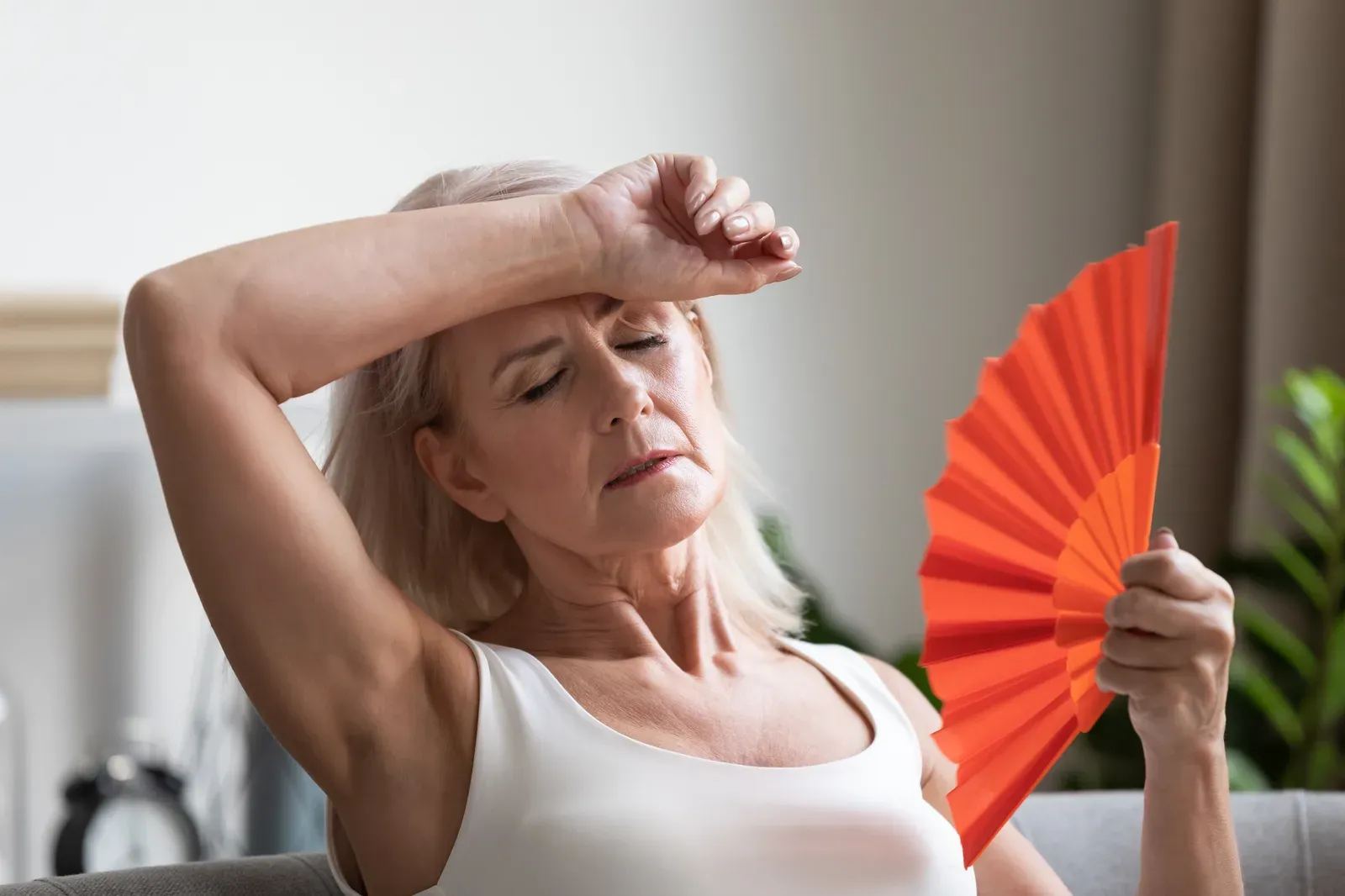
Hot flashes are a symptom to discuss with your physician, and while exercise is good for many parts of menopausal health, it should not be expected to switch the flashes off; what training can do is make the workout itself more comfortable and keep your strength, mood and sleep supported. Studies of exercise as a treatment for hot flashes have produced mixed results. That does not make training pointless. It means your reasons for lifting should include muscle, bone and well-being, with flash relief treated as a possible bonus. A free consultation is a fine place to ask how a coach plans around symptoms.
What training can reasonably offer
Plain, widely accepted benefits of regular exercise through menopause include maintaining muscle, supporting bone, improving mood and helping sleep quality for many people. None of those depends on whether the flashes ease. Seen that way, a hot flash day is not a reason to quit; it is a reason to adjust the session.
Make the room work for you
When a flash can arrive mid-set, environment matters more than willpower.
| Variable | What helps |
|---|---|
| Room temperature | A cooler room, with fan or air conditioning you control |
| Clothing | Light, breathable layers you can shed quickly |
| Hydration | Cold water within reach and sips between sets |
| Cooling aid | A cold cloth kept nearby is a comfort aid, not a treatment |
| Pace | Longer rests, with the pace set by comfort rather than the clock |
| Session timing | The part of the day when you feel least overheated |
In a shared gym these variables are the building’s, not yours. In a private suite you set the temperature, decide when to pause and do not worry about onlookers. That is the practical point behind the menopause personal trainer in Carmel guide.
Timing: test it, do not assume it
Some women say evening workouts make night sweats worse; others say they sleep better after training. Evidence is individual. For two or three weeks, log session time, how hot you felt during, and how that night went. Choose the window that works, and revisit as symptoms change. The same log helps a clinician see whether training and symptoms interact, and it pairs well with the pacing ideas in the perimenopause fatigue guide.
What a coach does and does not do
A coach can adapt the session on a flashing day, choose lower-heat formats, and keep records. A coach does not recommend supplements for hot flashes, evaluate your symptoms, or suggest changes to any medication, including hormone therapy. Those belong with your physician, who can weigh options against your health history.
Questions to ask your physician first
- Are my hot flashes typical, or is something else going on?
- Which treatment options are appropriate for my history?
- Is there any reason to avoid intense exercise right now?
- Which symptoms, such as chest pain, dizziness or palpitations, mean I should stop and call?
- How will we know if my medicines affect heat tolerance?
A comfortable weekly pattern
Two lifting sessions in a cool setting, short rests, one longer walk outdoors in a mild part of the day, and a lighter recovery day. If you wake drenched at night, that is an item for your physician, and a short session the next day is better than a hard one. The menopause weight gain guide explains how to hold your ground on strength through the transition.
Red flags
Stop training and seek care for chest pain, fainting, severe shortness of breath, a heartbeat that races and will not settle, or a sudden change in your symptoms. Hot flashes themselves are common, but new or alarming patterns are worth checking.
Related questions
Will exercise stop my hot flashes?
Research on that is mixed, and exercise should not be treated as a dependable treatment for hot flashes. Many women still find training helps their mood, sleep and strength. Your physician can discuss treatment options.
Can a workout trigger a hot flash?
It can for some people, because exertion raises body temperature. A cooler room, lighter layers, cold water and a gentler pace can reduce the effect.
What time of day is best to train?
Whichever time you feel most comfortable. Some women choose cooler morning hours; others find evening sessions fine. Keep notes for a few weeks and choose by your own pattern.