
Rider Fitness in Carmel: Strength Training for Equestrians
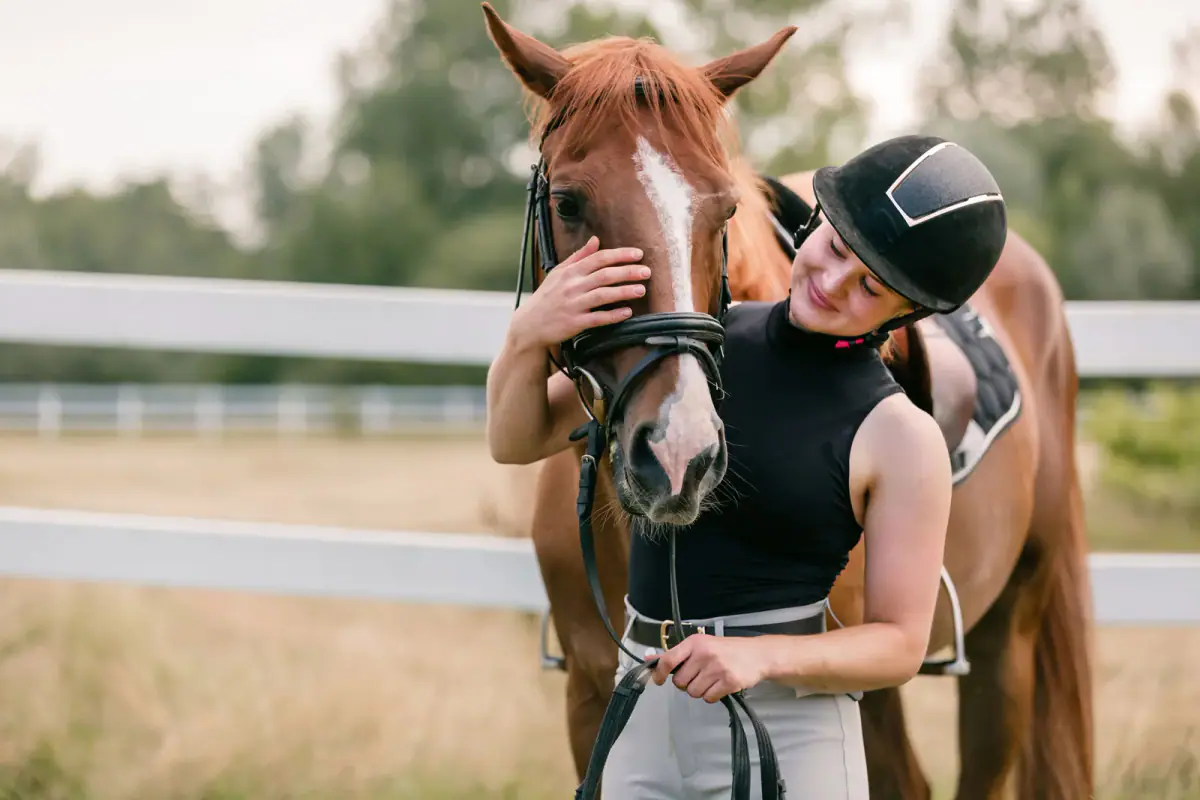
Hours in the saddle build real fitness: isometric leg endurance, balance, and the deep postural control riders call a seat. What riding does not build is the other half of the job, symmetric single-leg strength, pulling power for a horse that leans, grip endurance for long schooling sessions, and the hip mobility that keeps your heels down and your leg long and quiet. Hamilton County keeps a horse culture on its rural edges, and plenty of Carmel-area adults split their evenings between an office and a barn aisle; rider fitness coaching exists for exactly that athlete, starting with a free consultation and a free InBody baseline.
What the saddle trains, and what it quietly skips
Think about what a posting trot actually is: hundreds of small, rhythmic hip hinges performed against a moving surface. Two-point is a loaded quarter-squat held for minutes at a time. Riding is legitimate athletic work, which is why new riders are sore in muscles they never knew existed. The catch is that the load never changes. Your horse does not get progressively heavier the way a barbell does, so within a season or two your body fully adapts and the fitness curve flattens, while the demands of the sport, sitting a spook, holding a strong horse together down a long side, keep right on exceeding it. Riding maintains rider fitness. It stopped building it a long time ago.
The asymmetry every instructor sees
“You’re collapsing through your right side.” “More weight in your left stirrup.” Every rider has heard some version, because every rider has a strong side, and hours in the saddle deepen the pattern rather than fix it. An uneven rider gives uneven aids, and instructors will tell you the horse mirrors what it carries. The gym is simply a better place to correct this than the arena, because on the ground you can isolate one side and load it: split squats and step-ups for the weaker leg, single-arm rows and suitcase carries that force the trunk to resist tipping, the same anti-rotation logic explored in our core strength guide. A few months of unilateral work often does more for straightness than a year of being reminded about it mid-lesson.
What rider-specific coaching trains
A coached program for an equestrian is recognizably different from a generic fitness plan:
- Single-leg strength for even stirrup pressure, a secure lower leg, and the unglamorous test of mounting from the ground.
- Hip mobility with strength through it, so the leg lengthens from a supple hip instead of a forced heel, and the knee stays quiet.
- An independent seat, built as trunk control: the ability to hold your own frame through transitions so the reins never become your balance.
- Grip and forearm endurance for schooling rides on a puller, trained with carries and holds; why that quality matters far beyond the barn is covered in grip strength and longevity.
- Capacity for the rest of barn life: hay bales, water buckets, and trunk-loading tack, the lifting you already do, finally trained on purpose.
One scope note: falls happen in this sport, and anything involving pain, a past injury, or a recent fall goes through your physician or physical therapist before it goes under load, with the coach programming alongside that guidance.
Built around barn life
Rider schedules are their own species: lessons on weeknights, shows eating whole weekends, seasons that shift with daylight. Coaching at FlexWerk fits because it books the way lessons do, by the hour, one-on-one, in a reserved private suite at Carmel City Center with weekday hours from 5 AM to 9 PM. A morning session leaves evening rides untouched, show weeks drop to light maintenance, and the private room means nobody watches you grind out the weak-side work. The same asymmetric-athlete logic serves the county’s other one-sided sports, as our golf fitness guide shows from the rotational side.
You condition your horse deliberately and expect the results in the ring. Book the consultation and give the other athlete in the partnership the same treatment.
Related questions
Isn't riding and barn work already enough exercise?
It is real exercise and it is incomplete. Riding trains endurance and balance without progressive load, and barn chores build strength unevenly, always the same lift, the same twist, the same side. Structured training fills in what both leave out.
Will lifting make me stiff or heavy-handed in the saddle?
No. Rider-focused programs train mobility alongside strength, so hip range typically improves, and soft hands come from a stable trunk, not weak arms. A rider who can hold her own frame stops balancing on the reins.
How many sessions fit alongside regular rides?
Two hours a week is the standard dose, scheduled away from lesson nights, with show weeks kept light so legs are fresh in the ring. The plan follows your barn calendar the way it would follow any competition season.