
Do You Need Electrolytes for Your Workouts? A Guide
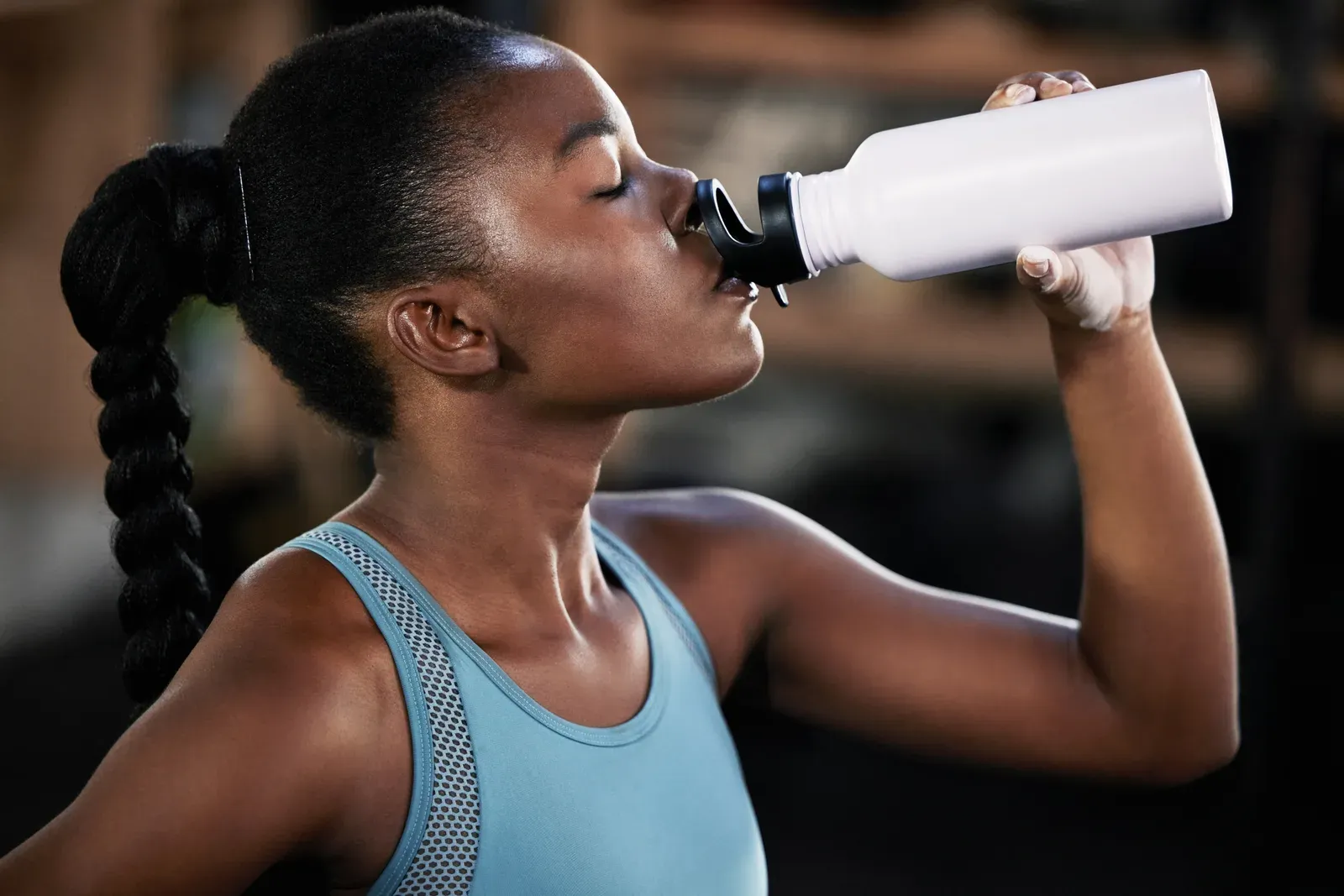
Most people do not need an electrolyte drink for workouts: plain water, plus normal meals, covers a typical session of an hour or less in a comfortable room. Electrolytes, mainly sodium with smaller amounts of potassium and magnesium, start to matter when sweat loss is large, meaning long sessions, heat, or a body that loses a lot of salt. For everyone else the marketing is ahead of the need.
When water alone is enough
If your session is an hour or shorter, indoors, and you finish feeling normal, water does the job. Sodium lost in sweat is small compared with what a regular diet supplies, and your next meal replaces it. A lifting session with rest between sets rarely produces the heavy sweat that makes electrolytes necessary.
A simple test is to ask yourself three things after a typical workout:
- Did I soak through my clothes and keep sweating for the whole session?
- Was it longer than 60 to 90 minutes?
- Was it hot or humid enough that I felt drained?
If the answer to all three is no, water is enough.
When electrolytes can help
Some situations tip the balance. The if-then list:
- If you work out for 90 minutes or more at a hard effort, a drink or snack with sodium is reasonable.
- If you train outdoors in the heat, especially a humid central Indiana summer day, sweat rates climb. Our summer training plan covers pacing and hydration for those weeks.
- If you are a heavy or salty sweater, noticeable from white residue on clothes or a stinging taste, you lose more sodium per hour.
- If you do multiple sessions in one day, such as a morning run and an evening lift.
Even then, food works. Salted snacks, broth, or a meal with fruit and vegetables replenish what you lost without a special product.
Too much of a good thing
More is not better. Concentrated electrolyte products add sodium, and for some people that matters. Anyone who takes blood pressure medication, has heart or kidney disease, is on a sodium-restricted diet, or has been advised to watch fluids should ask their clinician before using these products regularly. Drinking large amounts of plain water during very long events carries its own risk of diluting blood sodium, which is why matching intake to sweat loss is the safer approach.
How to know your own needs
Weigh yourself before and after a typical session. A loss of more than about 2 percent of body weight, mostly water, signals that you are not replacing fluid well. The hydration status guide explains the weigh-in method and other checks, and the InBody scan hydration answer shows how fluid shifts show up on a body composition scan.
A quick guide to what each electrolyte does
Sodium is the main one lost in sweat and the one most likely to matter in long sessions. Potassium and magnesium are lost in smaller amounts and are widely available in fruit, vegetables, beans, nuts and dairy. Calcium matters for muscle contraction but is rarely a concern in a single workout. Because food covers all of these, a meal with a banana, potatoes, yogurt or salted rice after training handles most of the replacement. Powders and tablets are a convenience for long events, not a requirement for gym sessions. If you do use one, read the label for sodium content and count it towards your day if you are watching salt.
What to do next
Start with water and meals, add sodium only when the situation asks for it, and let your clinician weigh in if you have a condition that touches fluids or salt. If you want a hydration plan matched to your training and body, a free consultation with a coach, including a free InBody scan, is a good starting point.
Related questions
Do I need an electrolyte drink for lifting weights?
Usually not. A typical lifting session in a cool room does not cost enough sweat to need replacing beyond water and your next meal. A long, hot or very sweaty session is a different case.
What are signs I might need electrolytes?
Heavy sweating over a long session, salt marks on clothing, cramping late in a workout, or feeling drained after repeated hot sessions can all be hints. Cramps and fatigue have other causes too, so treat these as prompts to review your routine.
Can I get enough electrolytes from food?
For most people, yes. Normal meals supply sodium, potassium and magnesium. A salty snack or a meal with fruit and vegetables after a hard session does the same job as many products.