
Are Cold Plunges and Saunas Worth It?
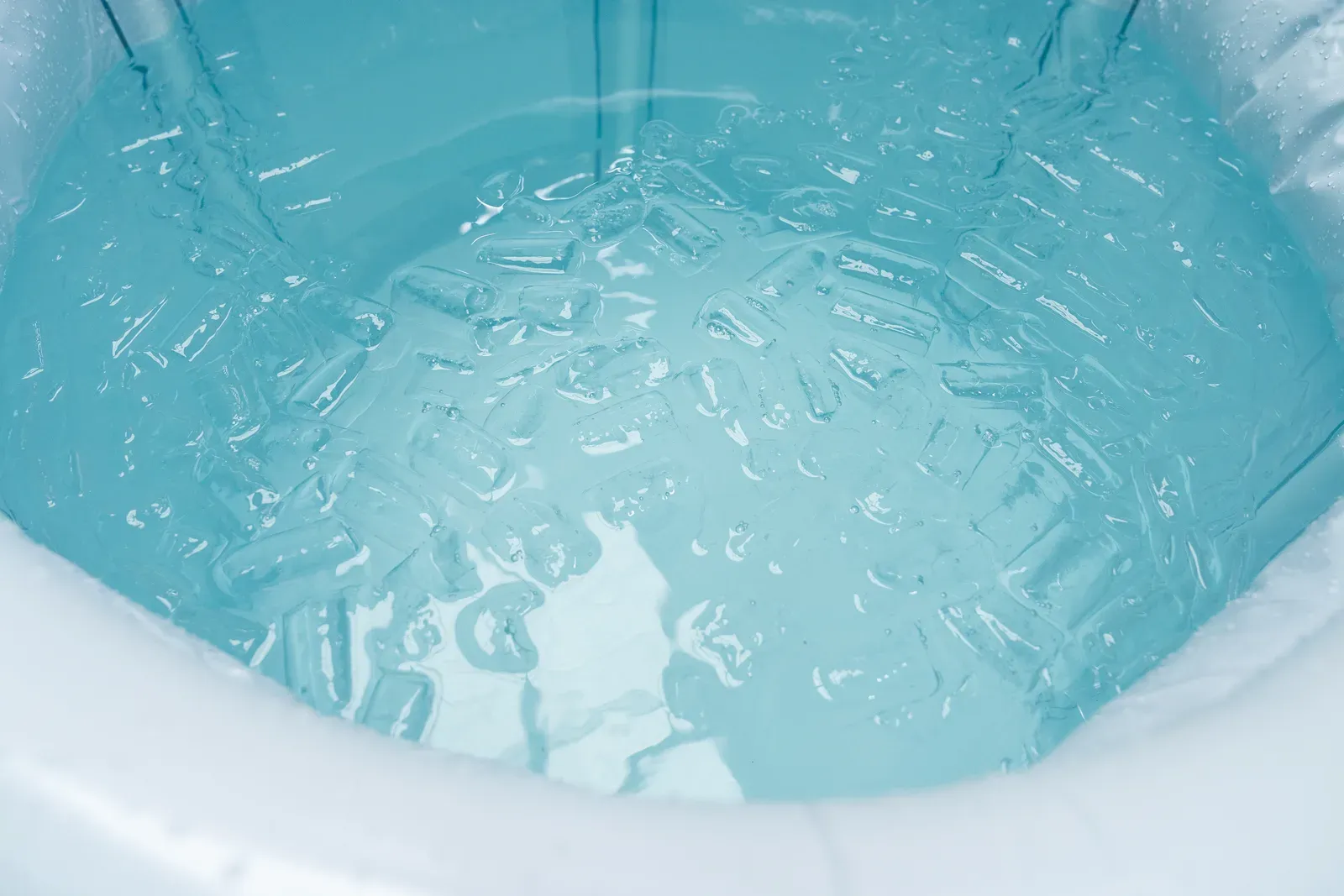
Cold plunges and saunas are worth it as enjoyable recovery extras with some supporting evidence, and not worth it as substitutes: neither will move your results the way training, sleep, and protein do, and cold water immediately after lifting may actually blunt some of your muscle gains. If you love them, keep them. Just put them in the right spot on the depth chart, which is several places below the boring fundamentals.
Worth it compared to what?
The question hides an accounting problem. An hour, and often real money, spent on recovery tools is an hour not spent on the things with overwhelming evidence behind them: progressive strength training, seven to nine hours of sleep, and enough protein. Those three produce the results people are chasing when they buy a plunge tub. The tub polishes results; it does not produce them.
So the honest framework is order of operations. If you are training consistently, sleeping well, and eating enough protein, recovery extras are a legitimate luxury on top. If you are not, the extras are a distraction wearing a wellness costume. A coach’s job includes saying that out loud, and if you want an honest read on which category you are in, a free consultation with a real training and body-composition baseline answers it in about an hour. That ordering also protects your budget, because the fundamentals are mostly free and the extras rarely are.
Sauna: the stronger case of the two
Between the two, sauna has the more interesting evidence. Regular sauna use is commonly associated in observational research with cardiovascular benefits, and the relaxation effect is immediate and real: heat, quiet, and twenty minutes without a phone is a legitimate stress-management ritual, which loops back into sleep quality, which loops back into training results.
The honest caveats: much of the strongest research is observational, meaning sauna users may differ from non-users in ways the studies cannot fully untangle, so treat the findings as promising rather than proven. Heat is also genuine cardiovascular stress, so anyone with a heart condition or blood pressure concerns needs a physician’s okay first. And nothing about a sauna habit changes body composition; it is a recovery and stress tool, not a training substitute.
As for protocol, the common research pattern is 15 to 20 minutes at a time, several times a week, which conveniently matches what people find pleasant anyway. If a membership or home unit makes that a habit you love, it is a defensible line item; just be honest that the line item is wellness, not training.
Cold plunges: honest, and more complicated
Cold water immersion delivers real things: an alertness jolt, a mood lift many people swear by, and commonly reported relief from muscle soreness. If a Monday plunge is the ritual that makes you feel like a person who takes care of themselves, that has behavioral value nobody should sneer at.
But cold has a timing problem the marketing skips. Research commonly shows that cold water immersion immediately after strength training can blunt part of the muscle-building signal the session just created, likely by suppressing the inflammation that is actually the start of adaptation. Soreness relief now, slightly smaller gains later is a real trade. The fix is scheduling: plunge on rest days or well away from lifting, and let sessions do their work. If soreness is the thing driving you toward ice in the first place, it is worth reading how sore is too sore, because programming usually fixes what plunging only masks.
Protocol-wise, most practical routines land at two to five minutes in genuinely cold water a few times a week; longer is bravado, not benefit. Build up gradually, never plunge alone in open water, and remember the physician screen above applies double here, because cold shock is a real cardiovascular event.
The order of operations, and the Carmel version
Ranked by evidence and return, the recovery stack looks like this:
- Sleep, seven to nine hours, the most powerful recovery tool that exists.
- Rest structured into the week, which is what how many rest days you need covers.
- Protein and overall food, the raw material of recovery.
- Easy movement, walks and light cardio between hard days.
- Then, genuinely optional: sauna, cold, massage guns, and the rest of the aisle.
It is worth noticing what the top four cost: nothing. Carmel has no shortage of places to spend recovery money, and from November to February the most famous ice in town sits at Carter Green for skating, which is frankly a better use of cold than most plunge protocols. The point is not that recovery tools are scams; it is that they are dessert, and dessert-first is how training plans quietly fail. A useful self-test: if you can name your sauna schedule but not your squat progression, the ratio needs flipping.
FlexWerk’s side of this equation is deliberately the fundamentals: private suites built for the training itself, strength and HYDROW cardio, coaches who program the hard sessions and the recovery between them, and InBody re-tests that show whether the whole system is working. Get that engine running first, and the sauna afterward becomes what it was always best at being: a reward. If your plan currently has more recovery rituals than training sessions in it, the free consultation at Carmel City Center is the right place to flip the ratio.
Related questions
Does cold plunging burn meaningful fat?
Not at practical doses. Cold exposure burns a few extra calories while you shiver, but there is no good evidence it drives meaningful fat loss. Training and diet remain the levers that actually move body composition.
When should I cold plunge if I lift weights?
Keep it away from strength sessions. Research commonly shows cold water immersion right after lifting can blunt some of the muscle-building signal, so plunge on rest days or several hours after training.
Is heat and cold exposure safe for everyone?
No. Extreme heat and cold stress the cardiovascular system, so anyone with a heart condition, blood pressure issues, or a pregnancy should talk to their physician before starting either. That is a medical screen, not a coaching call.