
Best Exercise to Lower A1C: Strength, Walks, or Both?
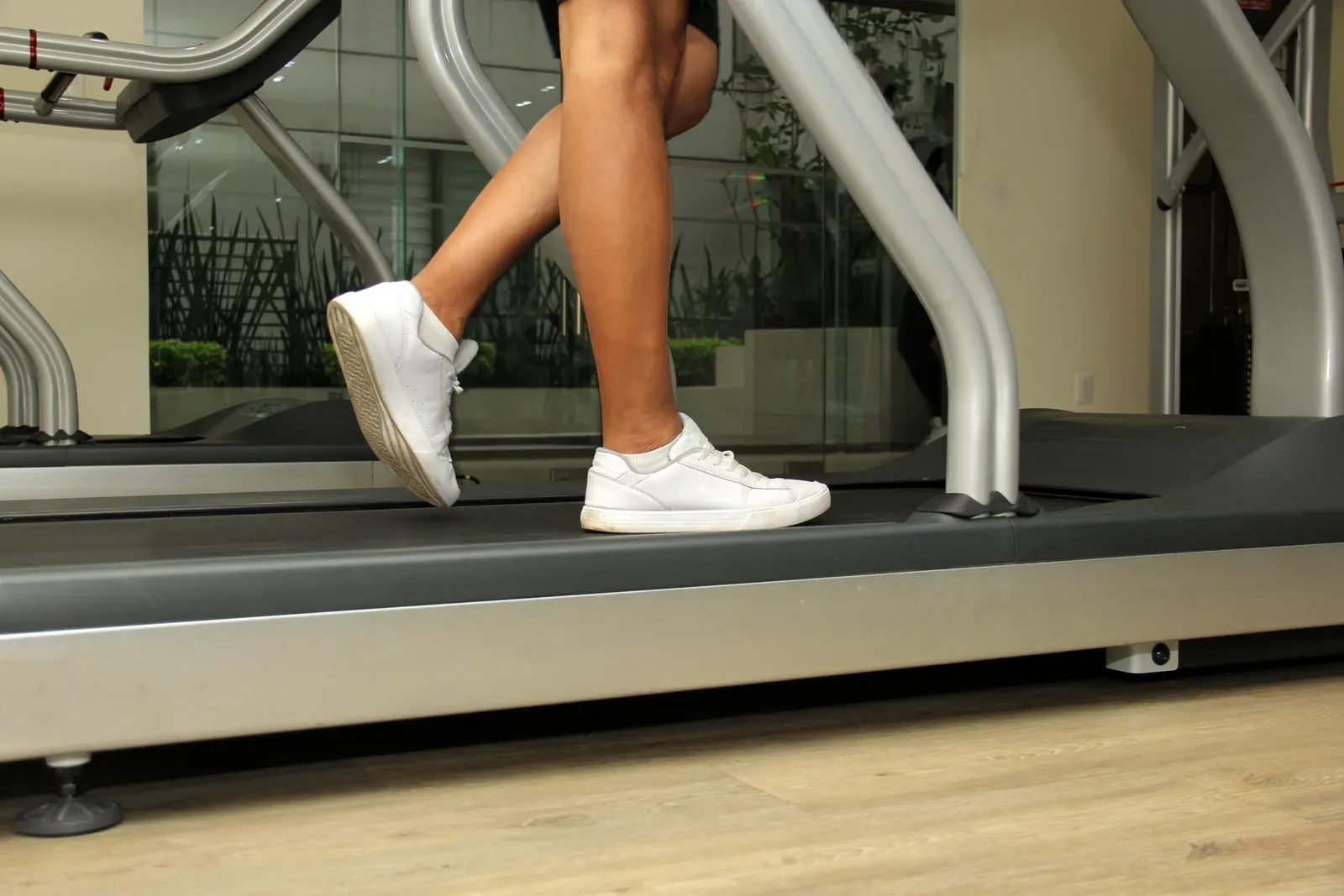
The best exercise to lower A1C is a combination: short walks after meals plus two or three resistance sessions a week, with your physician guiding targets and tracking the lab. Both kinds of activity help your body handle blood sugar, and each covers a different gap. This page describes exercise approaches, not treatment, and whether your reading needs medication, monitoring or a dietitian is your clinical team’s decision. A coach can fit the training around that plan, and a free consultation is the place to start.
What A1C measures, and why it moves slowly
An A1C lab reflects your average blood sugar over roughly the past three months. That is why one good week of exercise cannot change it, and why a sensible plan is judged at the next scheduled test. Your physician decides how often to check it, and what counts as a good result for you.
Three exercise options compared
| Approach | What it does | Best for | Watch for |
|---|---|---|---|
| Walking after meals | Uses glucose soon after eating, softening the post-meal rise | Beginners, busy schedules, anyone starting at zero | Needs consistency at several meals |
| Resistance training | Builds muscle that stores and uses glucose | Longer-term improvement, age-related muscle loss | Needs progression and good form |
| Combined plan | Both effects together | Most adults who can do both | Slightly more to schedule |
The question of why muscle matters is covered in whether lifting lowers blood sugar. Walking has its own page on whether walking is enough, which also explains why adding strength is widely recommended.
A simple combined week
- Walk for 10 to 15 minutes after your largest meal of the day, then add other meals as the habit sticks.
- Lift twice a week at first, with full-body sessions built on squats, hinges, presses and rows.
- Add a third short strength day or a longer walk after a month if recovery is good.
- Keep one real rest day.
- Aim to move through the day, breaking up long sitting with a couple of minutes on your feet.
Widely accepted public health guidance asks for about 150 minutes of moderate activity a week and strength work on two days, which this plan meets.
Timing and safety around medication
If you take insulin or any medication that can lower blood sugar, exercise can drop it further. Ask your physician how to time sessions, what to eat beforehand and what symptoms to treat as urgent. Stop and seek care for dizziness, confusion, shakiness or sweating you cannot explain. If you check your blood sugar at home, ask your clinician which readings are safe for starting a session.
Questions to ask your physician first
- Is it safe for me to start walking and lifting now?
- How often should my A1C be rechecked?
- Does my medication change how I should eat or time exercise?
- Which symptoms during exercise mean I should stop?
- Would a dietitian visit help alongside the training?
Where a coach fits
A coach does not interpret your lab or adjust your medication. What a coach does is build the routine, keep the weights progressing and track the habits that help, such as steps and protein. The prediabetes page describes how the 30/60/90 style of coaching organizes that work.
At FlexWerk in Carmel, the consultation includes a free InBody scan and your physician’s guidance sits at the center of the conversation. Bring your last lab report if you are comfortable, and the coach will plan the first few weeks around it.
Related questions
Is walking or lifting better for A1C?
Both help, in different ways. Walking after a meal blunts the rise in blood sugar that follows eating, while lifting builds muscle that handles glucose all day. Many clinicians and coaches suggest doing both rather than choosing.
How soon will my A1C change?
The test averages about three months, so changes from a new routine usually appear at the next scheduled check rather than within weeks. Your physician sets the testing schedule.
Do I need to eat before exercising?
That depends on your health and any medication you take. Ask your physician or dietitian, especially if you use insulin or medications that can drop blood sugar too low.