
Strength for Independence
Carrying groceries, low chairs, car seats, heavy doors: age-related muscle loss is the quiet driver behind most of it, and progressive resistance work rebuilds what daily life asks for.
Carmel City Center · Serving the north side
Ask what retirement-age adults actually want from exercise and it is rarely a beach body. It is carrying your own groceries, trusting your balance on stairs, and staying in your own home on your own terms. That is exactly what these sessions train.
Complimentary wellness assessment · No commitment required
Fitness coaching for adults 65 and up
Carrying groceries, low chairs, car seats, heavy doors: age-related muscle loss is the quiet driver behind most of it, and progressive resistance work rebuilds what daily life asks for.
Fall risk is partly a strength-and-practice problem. Single-leg work, carries, step patterns, and practicing getting down to and up from the floor are trainable skills, not lost abilities.
The same matched coach every session, in a private room with no one watching. Rest as long as you need, ask every question twice, and move at a pace set by you.
What good senior coaching looks like
Everything meaningful in senior fitness reduces to three trainable systems. Strength, because muscle loss is behind most "getting older" complaints, and studies have shown gains in adults well into their ninth decade. Bone density, because bones adapt to being loaded, and appropriately dosed resistance work is one of the few non-pharmaceutical tools that stimulates that adaptation; if you have an osteoporosis diagnosis, your physician sets the boundaries and your coach programs within them. And balance, because staying upright is partly strength and partly practice, both of which respond to coaching.
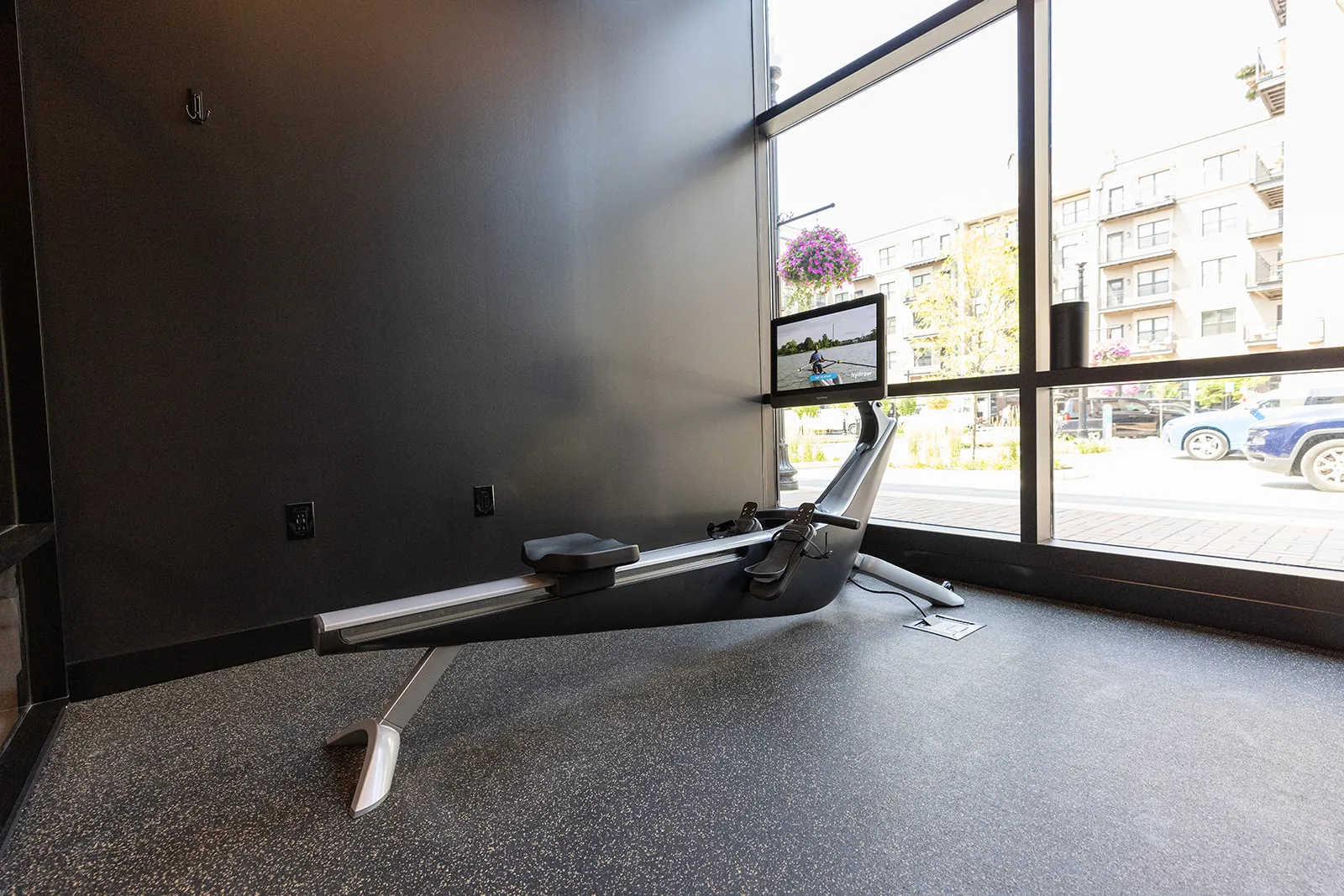
Conditioning rounds out the picture without anything punishing: coaches can fold rowing, climbing, or walking work into sessions using the private cardio suites, with HYDROW rowers, CLMBR climbers, and curved treadmills, all in the same closed-door format as the strength work. Notice what is absent: nothing here requires suffering, jumping, or anything resembling a boot camp. The dose is progressive but polite. For the longer view of what this training banks for the decades ahead, readtraining for your 80s.
A coach is not a clinician. Diagnosing conditions, adjusting medications, and clearing you for exercise with a heart, bone, or joint history are your physician's territory, which is why coaches use screening tools likethe PAR-Q and a thorough history conversation before anything else. "My doctor said" is the most useful sentence you can bring to a first meeting. Within those lines, the coach's craft takes over: choosing movements your joints tolerate, progressing load at a rate your body confirms, and adjusting session by session based on how you are actually doing rather than what a template says.
Every session runs inside a private FlexSpace, which happens to solve the exact frictions that keep older adults out of conventional gyms. There are no crowds to navigate and no equipment to negotiate, just an organized room set up for your session before you arrive. You can practice the floor get-up without a soul watching and rest as long as you need. And you work with one consistent professional: the same matched coach every session, someone who knows your history and holds the long view of your progress. Mid-morning and early afternoon slots, the ones retirees actually prefer, are wide open by design, and garage parking is a short walk from the door. There is no membership, and guest access is free, so an adult child or spouse can join you.
Senior training runs on capability milestones, and part of the coach's job is making them visible: the chair stand that no longer needs hands, the balance hold that doubled, the floor get-up that became casual. FlexWerk adds an objective layer with an InBody body-composition baseline at the free consultation, re-tested over time, because preserving and adding muscle is the real scoreboard at this stage and the bathroom scale cannot see it. An honest note on pace: progress after 65 is real but steady, and consistency outweighs every other variable. Anyone promising dramatic transformations on a deadline is selling something. FlexWerk has served Carmel from City Center since 2023, and the free first hour is the evidence that will actually persuade you.
A gentle first step
A seated conversation about your goals, your history, and your physician's guidance, plus a free InBody body-composition scan. Then a free first session with your matched coach, in private, at whatever pace suits you. No contract, no membership, no gym floor to cross.
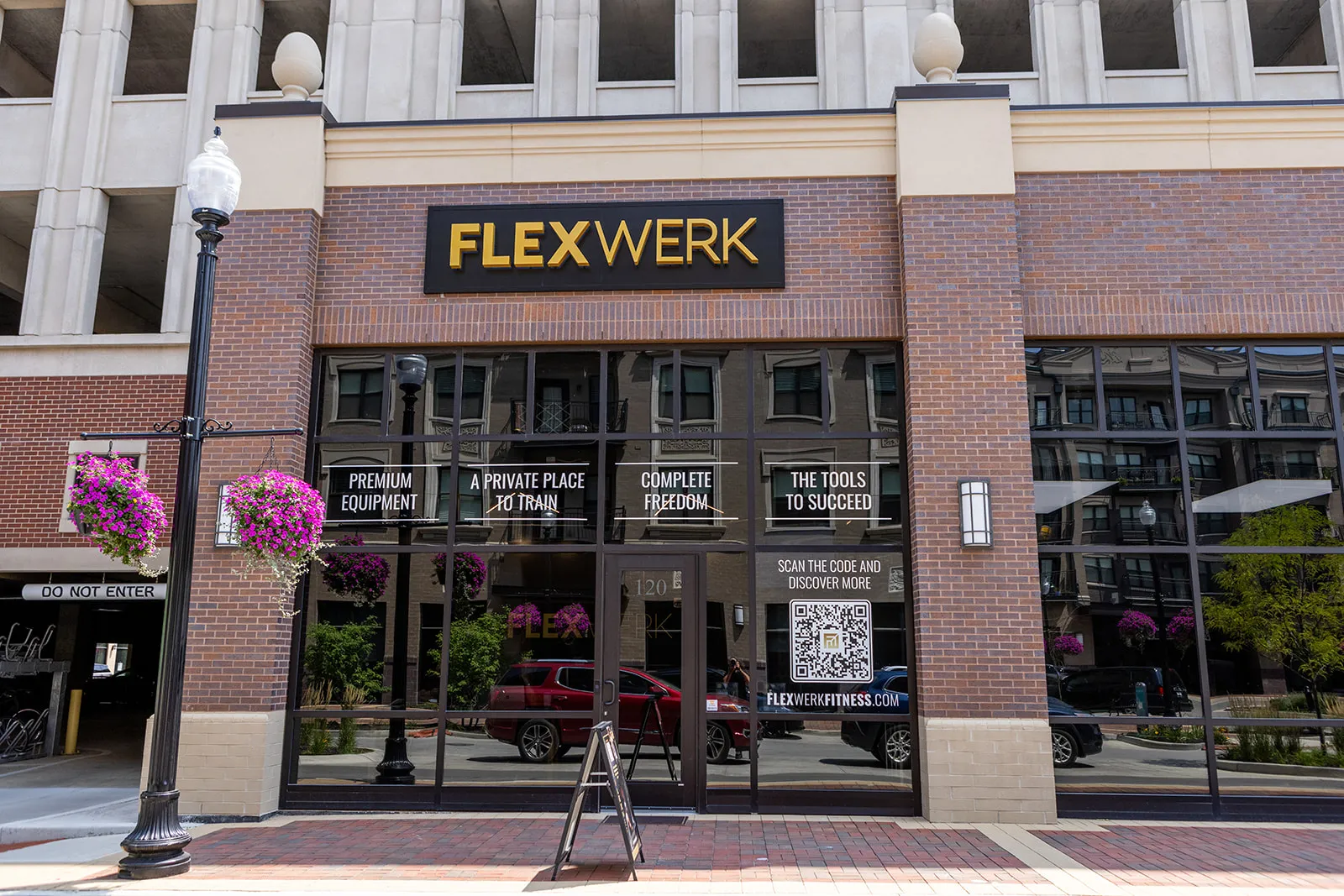
At Carmel City Center, serving the north side
FlexWerk is at 885 Monon Green Blvd, Suite 120, Carmel, Indiana 46032. Steps from the Monon Trail, with garage parking a short walk away. From Carmel City Center we serve the whole north side: seepersonal training in Carmel, plus our pages forWestfield,Noblesville, andnorth Indianapolis.
Guest stories
The careful questions
If you have any medical conditions, take medications, or have been advised about your heart, bones, or joints, talk with your physician first and bring that guidance to your coach. Good senior coaching is built inside your doctor's parameters, never around them.
Research consistently shows muscles respond to appropriate training well into the 80s and 90s. The loads start light and progress patiently: age changes the starting point, not the ability to improve. The evidence is summarized in our answer on building muscle at 70.
Not directly. SilverSneakers-type benefits typically cover gym memberships rather than one-on-one coaching, so private training is usually paid out of pocket. The consultation is free either way, and it is the right place to talk through what a program would involve.
Then you are in good company, because many senior clients start from exactly there. Sessions begin with everyday movements like standing from a chair, at a pace set by you, in a private room with no one watching.
No commitment required
Tell us about your goals and a host will match you with the right coach, or skip the form and call(888) 353-9975.
A few quick questions so we can match you to the right coach and plan.
Leave your details and a FlexWerk host will call you.
No commitment required
Book your free consultation, get your complimentary wellness assessment, and feel the difference of a private FlexSpace for yourself.
Welcome!
Meet Rex, your 24/7 AI assistant. He's here to help you explore how FlexWerk Fitness can support your needs and answer any questions you have. Choose how you'd like to connect:
Call or Talk Live with Rex, Our AI Voice Guide
Want a real conversation over the phone +1 888 316-6530 or online? Rex can speak with you directly through your browser. No downloads..., no wait times. Ask about FlexWerk Fitness, our private training spaces, co-working options for fitness professionals, or how we can support your goals. Rex is ready for a one-on-one conversation with you right now. Read more..
Chat Instantly with Rex, Your AI Assistant
Prefer texting? Rex is your instant guide for answers, information, and a walkthrough of what FlexWerk Fitness offers.... Ask about private training spaces, memberships, availability, or how to get started. Rex will respond in real time to help you find the right fit. Read more..