
Powerlifting Coach in Carmel: Squat, Bench, Deadlift, Done Right
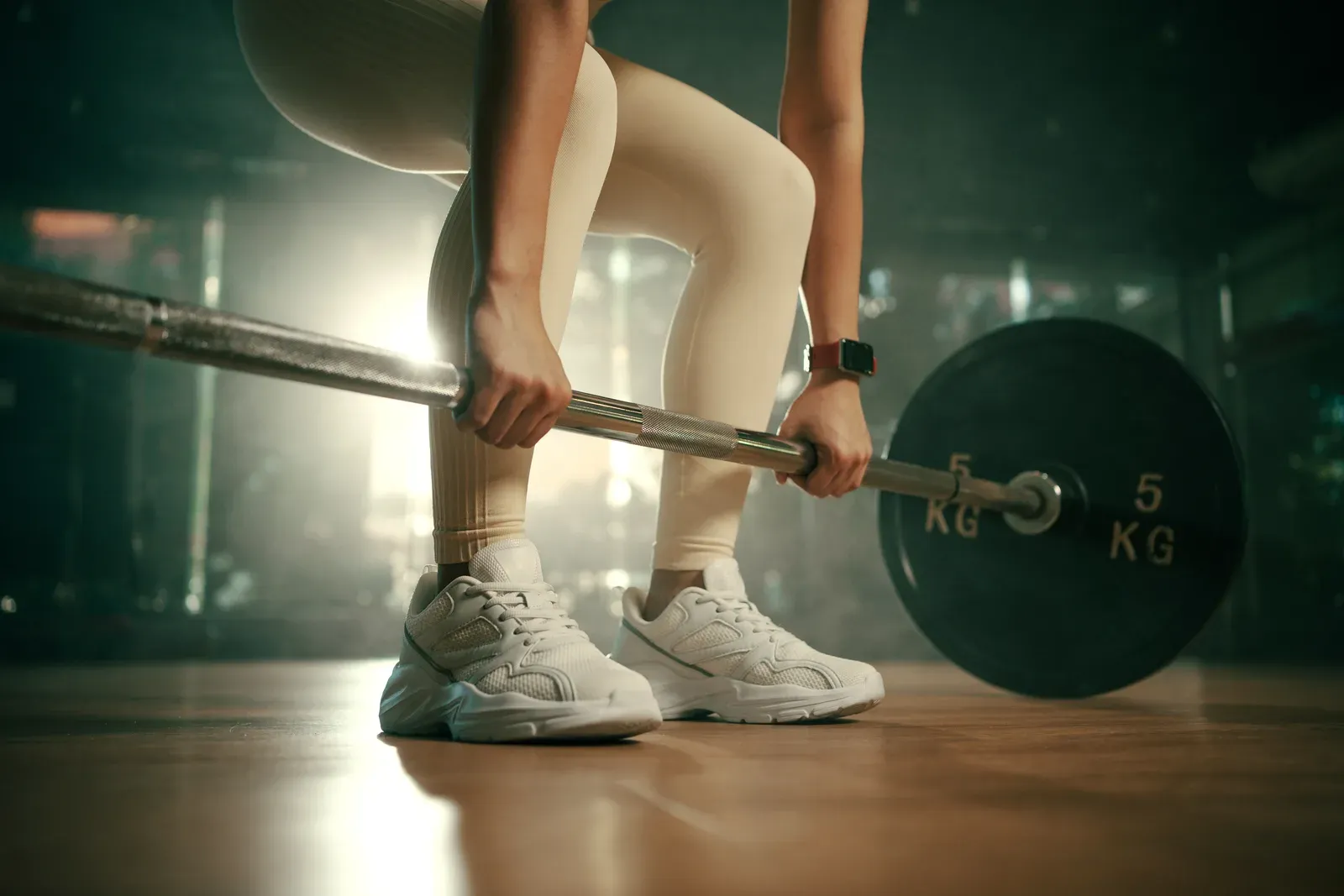
The squat, bench press, and deadlift are the most honest test in fitness: the bar went up or it did not. A powerlifting coach teaches you to move that bar with technique that protects you and programming that adds weight on a schedule, which is why coached lifters typically progress faster and stay healthier than lifters guessing alone. Here is what powerlifting coaching in Carmel actually involves, meet ambitions optional.
What a powerlifting coach actually does
Two things, in strict order. First, technique: the big three are skills with dozens of moving parts, bar path, bracing, foot pressure, timing, and small errors compound exactly as the weights grow. A coach watches every heavy rep and adjusts in real time, which is how a squat that buries you at one weight becomes crisp twenty pounds heavier with no strength change at all, just better positions.
Second, programming: strength arrives through planned waves of volume and intensity, heavier phases, lighter phases, deliberate recovery, not through maxing out whenever you feel brave. Applied to three lifts, that discipline is the difference between a year of progress and a year of the same three plateaus.
The entry point at FlexWerk is the same as every program: a free consultation at Carmel City Center with a free InBody body composition scan and a conversation about your lifting history, goals, and any joints with opinions. If anything in that history is medical, a physician’s clearance comes before heavy loading; good coaches are firm about that order.
Who this serves besides competitors
Actual meet competitors are the minority of powerlifting clients. The larger audience is people who want strength with a scoreboard: men rebuilding after years away from the bar, a story told in strength after 40, women discovering that heavy lifting is the most efficient training there is, and lifters of every stripe who stalled alone and want programming with a spine. The big three suit busy schedules unusually well, because two focused coached sessions a week move the needle when each one has a plan.
If your goal is actually general fitness with some strength included, powerlifting specialization is more precision than you need, and the broader strength training in Carmel approach will serve you better. A good matching conversation sorts this in minutes.
Why heavy lifting belongs in a private room
Powerlifting has specific environmental needs that shared gyms handle badly: a rack you might occupy for forty-five minutes, long rests between heavy sets, and full concentration at the moment a crowd is most distracting. In a reserved FlexSpace the custom lifting rack is yours for the entire hour, rest periods run as long as the program says without a queue forming, and the room holds only you and your coach. The suites are deliberately filming-friendly too, and form video matters in powerlifting more than almost any discipline; your coach will use it between sets, not just between weeks.
There is a psychological edge as well. Heavy attempts have a stage-fright problem, and plenty of lifters leave kilos on the bar in crowded gyms without knowing it. Behind a closed door with your own music and one person whose whole job is your next rep, those kilos come back.
Safety improves in the same room. A coach hand-spots your bench, sets the rack’s supports to your exact heights, and, more valuable than either, knows when today is not the day for the heavy attempt. Lifters training alone rarely make that call well; lifters with a coach make it every week without drama, which is a large part of why they are still lifting years later.
Finding the right coach in Carmel
Powerlifting coaching is a specialty, and specialty is exactly what FlexWerk’s model was built to surface: more than 40 independent professionals run their businesses from the Carmel City Center suites, and FlexConnect matches you by goals, schedule, and personality. Say the words squat, bench, and deadlift in your consultation and the matching filters accordingly. Logistics cooperate too: weekday hours run 5 AM to 9 PM, so heavy sessions fit before work, and garage parking sits a short walk from the door, which matters more on a 33-degree January morning than anyone admits.
Expect the first sessions to feel almost insultingly light. That is the technique phase doing its job, and it is the same on-ramp every good coach runs; the weight arrives soon enough, and it arrives on positions that can carry it for decades.
Expect the language to sharpen too. Within a few weeks you will hear your coach dose sets by effort rather than ego, often using the rate of perceived exertion scale explained in what RPE means: a heavy day that leaves a rep in reserve, a light day that feels like a rehearsal, both on purpose. Numbers get written down every session, because a training log is the cheapest performance technology in the sport. Somewhere around the second or third month, the three lifts stop being exercises and become a practice, which is the moment most clients admit this is the most engaging training they have done.
The honest close on the format: powerlifting is patient work. There will be weeks the bar feels wrong and weeks it flies, and a coach’s steadiness across both is much of what you are paying for.
If you want your strength measured in plates instead of vibes, book the free consultation and ask to be matched with a powerlifting specialist.
Related questions
Do I need to compete to train powerlifting style?
No. Most people who train the big three never enter a meet; they simply want to get strong with a clear scoreboard. The method works identically either way, and a meet is always there if the itch develops.
Am I too old to start powerlifting?
Strength training under good coaching works at every adult age, and lifters commonly set personal records in their 40s and 50s. Anyone with heart, blood pressure, or joint conditions should get a physician's clearance before heavy training.
How often would I train with a powerlifting coach?
Two coached sessions a week is a common structure, with the coach programming any additional solo work. The big lifts reward frequent quality practice more than marathon sessions.