
How to Get in Shape at 60: Safe, Steady, Strong
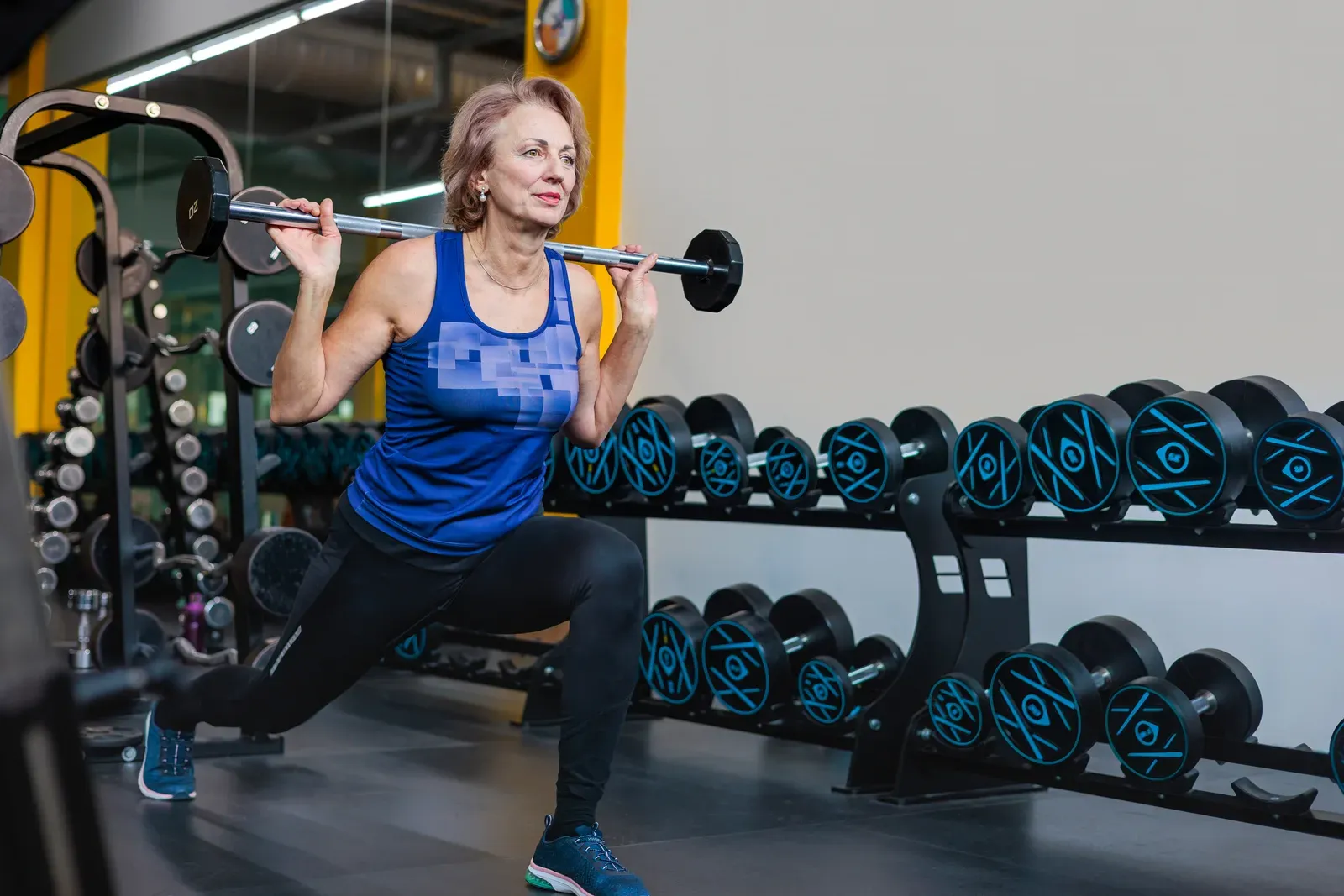
To get in shape at 60, start with a conversation with your physician, then divide your week among strength training, balance work and cardio, with joint-friendly choices and slow, recorded progress. The three pieces protect different things: strength preserves muscle and bone, balance reduces falls and cardio supports the heart and stamina. This page explains how to start, how to protect your joints and how to know it is working.
Step one: clearance and questions
See your physician before you begin, particularly if you have not exercised regularly, have heart, blood pressure or blood sugar issues, or take medications that affect heart rate or balance. Bring these questions:
- Are there limits on exercise intensity or heart rate for me?
- Do any of my medications cause dizziness, low blood sugar or fatigue with exercise?
- Do my joints or bones need protection, and which movements should I avoid?
- What warning signs during a session should send me to your office?
A coach should accept a written note and work within it. If you have had joint replacement or surgery, the surgeon or physical therapist sets the timeline.
A week built from three pieces
Use this as a starting template and scale it to your fitness:
| Piece | Amount | Examples |
|---|---|---|
| Strength | 2 sessions, 30 to 45 minutes | Leg press, chair squat, row, chest press, carry |
| Balance | 5 to 10 minutes in each session, plus 2 short solo sessions | Single-leg stand, heel-to-toe walk, step-ups near a rail |
| Cardio | Build to about 150 minutes of moderate activity a week | Brisk walking, easy cycling, water exercise |
| Mobility | 5 minutes daily | Hip, ankle and shoulder circles |
Strength takes the largest weight in the plan because muscle declines steadily with age and responds well to load at any stage. Balance matters because falls are a leading cause of injury in older adults. The balance after 60 guide goes through the drills in detail.
Protect the joints
Joint-friendly choices let you train with effort and without a day of pain afterward:
- Prefer machines and cables at first. They guide the path, and you can adjust the load in small steps.
- Use supports. Chairs, rails and walls make balance drills safe.
- Control the tempo. Two seconds up and three down builds strength with lighter loads.
- Avoid pain, not effort. A muscle burn is normal; a sharp joint pain is a reason to stop and change the movement.
- Keep impact low. Walking, cycling and swimming-style movement tend to be easier than running or jumping.
- Warm up. Five minutes of easy movement before the first working set.
The first four weeks
A gentle start works better than a heroic one. In week one, learn four patterns with light loads: sit-to-stand, a supported hip hinge, a row and a wall or incline push. Week two repeats the patterns and adds a balance drill. In week three, add weight in small increments, and add a walk of 15 to 20 minutes on non-training days. In week four, retest your baselines and set the next block. Soreness that fades within two days is normal.
How to measure progress
The scale is a poor judge at this stage because muscle can rise as fat falls. Better measures include:
- A 30 second chair stand count.
- A timed single-leg stand on each side.
- Walking pace or the distance you can walk without stopping.
- The loads on your main lifts.
- How stairs, groceries and getting up from a low seat feel.
A body composition scan at intervals of two months or more adds a view of muscle and fat, as long as you scan under the same conditions each time. The guide on building muscle after 50 covers the role of protein and recovery.
Common worries, answered plainly
“I do not want to get hurt.” The risk is lowest when you start light, use controlled movements and add load slowly. Most injuries in new exercisers come from doing too much too soon.
“I have never lifted.” That is common, and it is not a barrier. The first month is learning patterns, not lifting heavy.
“I get tired easily.” Early fatigue usually improves in several weeks as your body adapts. Persistent or unusual tiredness belongs in a conversation with your physician.
“I cannot get on the floor.” Then do not. Almost everything can be done standing, seated or at a bench, and floor work can be added later with a plan to rise safely.
“What about my weight?” Weight may change slowly. Focus first on strength and stamina, and let body composition follow.
Why a coach helps
A coach adds three things beginners at 60 often lack: someone who checks form, a plan that rises at the right pace and a person who notices when something is off. They also coordinate with your clinicians and do not take their place. At FlexWerk in Carmel, independent coaches train clients in private suites by appointment, and the free consultation includes a free InBody scan. Each coach sets their own terms and approach, so ask about experience with adults in their 60s.
Book the free consultation and bring your clearance and any limits. If you already have a base and want a longer horizon, the training for your 80s article shows what you are building toward.
The long view
The aim at 60 is not to look younger but to stay capable: to carry, to climb, to travel and to get up from the floor without help. Small gains in strength and balance have an outsized effect on independence, and the habit of training twice a week is within reach for most adults. Start slowly, record what you do and let the numbers do the encouraging.
Related questions
Do I need a doctor's note to start exercising at 60?
A conversation with your physician is wise, especially for heart, blood pressure, diabetes, bone or joint concerns. A good coach asks for clearance and works within it.
How much exercise does a 60 year old need?
Federal guidance for older adults suggests about 150 minutes of moderate aerobic activity a week, muscle strengthening on at least two days and balance work. Build up to that in steps.
What if I have arthritis or a bad knee?
Exercise often helps, but the right choices depend on the joint. Ask your physician or physical therapist which movements to use and which to avoid, and let your coach build around it.