
First Responder Fitness in Carmel: Strength for the Job and the Shift
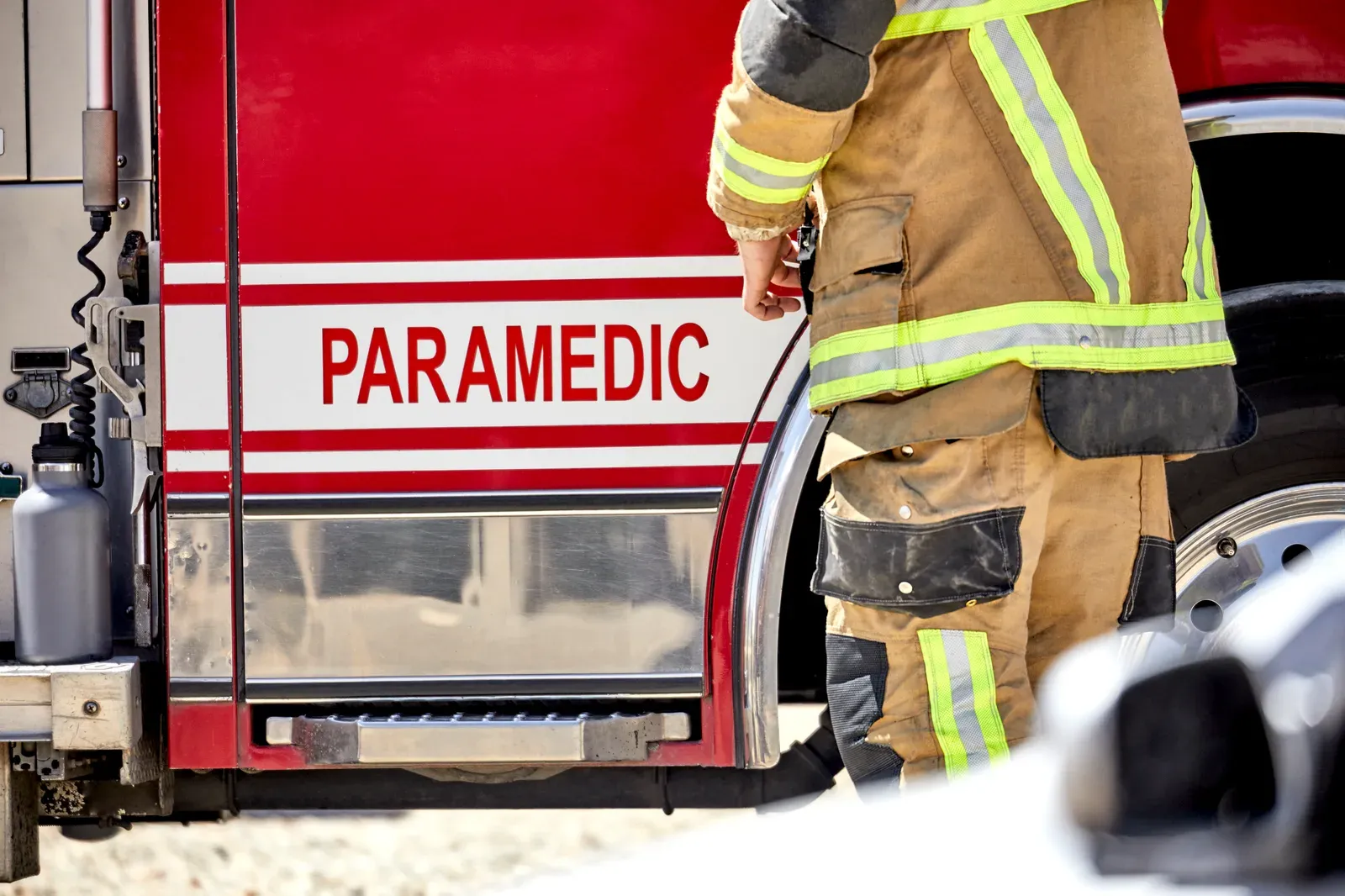
The job description for police, fire, and EMS is written in physical terms: drag, carry, lift, climb, sprint, wearing gear, at any hour, with no warm-up. First responder fitness done right is job-task strength plus engine capacity, programmed around rotating shifts by a coach, because the call does not care whether you trained this month. For first responders in Carmel and across Hamilton County, one-on-one coaching in a private suite fits both the mission and the schedule better than any class timetable can.
The starting point is a free consultation: your shift pattern, your department’s fitness standards if you have them, and a free InBody body composition baseline before any programming begins.
Training for the tasks, not the mirror
A first responder’s program should look like the job when you squint at it:
- Drags and carries: loaded carries, heavy pulling patterns, and hinge strength that map to dragging a line, moving a patient, or carrying equipment up stairs.
- Odd-position strength: getting off the floor under load, lifting from awkward angles, and the core stability that protects a back the job constantly tests.
- The engine and the sprint: a base of steady cardio underneath repeatable short bursts, which is the hybrid strength-and-cardio model applied to emergencies instead of race day.
- Grip, always grip: tools, gear, and people all move through your hands.
If your department runs a readiness or agility test, coaching gets concrete: bring the events and standards to the consultation and the program is built backward from test day. And because this is medical-adjacent work in a high-stress profession, the boundary stays clean: injuries, heart health, and anything clinical belong with your physician, with your coach programming inside that guidance. No affiliation with any department is implied here; this is training individual responders arrange for themselves.
There is also the twenty-year version of the question. First response is a career that compounds physical debt: backs, knees, shoulders, and sleep all take installments, and progressive strength training is the standard counterweight, the reason a fifteen-year veteran can still do the job the way a rookie does. Training for the next call and training for the years after the badge turn out to be the same program at different volumes.
Scheduling around a rotation that never sits still
Shift patterns are where most fitness plans die. A 24-48 rotation, night blocks, court dates, and callbacks make fixed class times a joke, which is the same structural problem faced by nurses on three twelves and, in milder form, teachers on a school calendar. Appointment-based coaching solves it the same way: sessions get booked against your actual rotation, one block at a time.
The hours cooperate: FlexWerk runs 5 AM to 9 PM on weekdays and 7 AM to 4 PM on weekends, so a post-shift morning, a pre-shift afternoon, and an off-day session are all live options inside the same rotation. The facility sits at 885 Monon Green Blvd in Carmel City Center with garage parking a short walk from the suite, an easy stop from anywhere in Hamilton County, and a session books around your life rather than the reverse. Court dates and callbacks cancel sessions; appointment-based coaching reschedules them the same week instead of losing the week entirely, which across a year matters more than any perfect program.
A readiness block, sketched
Suppose a department test sits ten weeks out. Weeks one and two establish the baseline: the InBody scan, current numbers on the test’s events, and an honest gap analysis between today and standard. Weeks three through seven build: two to three sessions weekly cycling the drags, carries, and engine work, loads progressing while the shift rotation gets navigated appointment by appointment. Weeks eight and nine rehearse: test events at test intensities, spaced the way the test spaces them. The final week backs off so test day meets a recovered body.
No coach can promise a score, and a good one will not pretend to; what the block delivers is the preparation variable fully controlled, which is the only variable training can touch. Off-season versions of the same block simply swap the test for the job: the standard becomes the calls you have not gotten yet.
A private suite, which the job makes valuable twice
Sessions run one-on-one in a reserved private suite: a full rack, cable system, and dumbbells that are yours for the hour, your music, a coach’s complete attention, and a door. For first responders that privacy pays twice. Practically, there is no floor traffic between you and the bar, so a 60-minute session delivers 60 minutes of work before a shift. Personally, people who spend every shift being publicly visible tend to prefer training without an audience, and the suite is the rare place in town where nobody needs anything from you.
Coach fit is matched rather than guessed: more than 40 independent fitness professionals run their businesses at FlexWerk Carmel, and FlexConnect pairs you by goals, schedule tolerance, personality, and specialties. Responders usually name three requirements: scheduling flexibility, a no-nonsense coaching style, and programming that respects the job’s physical standards. The consultation and the first session are free, and the pricing conversation is direct with your matched coach. Guest access even covers a partner: clients of trainers receive free guest access, and crews train well in pairs.
Readiness is trained in the quiet weeks so it is there in the loud ones; the free consultation is where that training gets scheduled around the shift for good.
Related questions
Can a trainer prepare me for a department fitness test?
Yes, that is standard coaching territory: bring the test's events and standards, and the program gets built backward from them with a timeline to test day. The coach trains you for the test; the department administers it.
How does training fit a 24-48 or rotating shift schedule?
Sessions are booked appointment by appointment around your rotation rather than holding a fixed weekly slot. Off-day mornings are the usual anchor, and the 5 AM weekday opening covers pre-shift training.
Is this affiliated with any department?
No. This is independent one-on-one coaching that individual first responders arrange for themselves, which also means your training, your data, and your goals stay entirely your own.