
Exercises for People Over 300 Pounds: Where to Begin
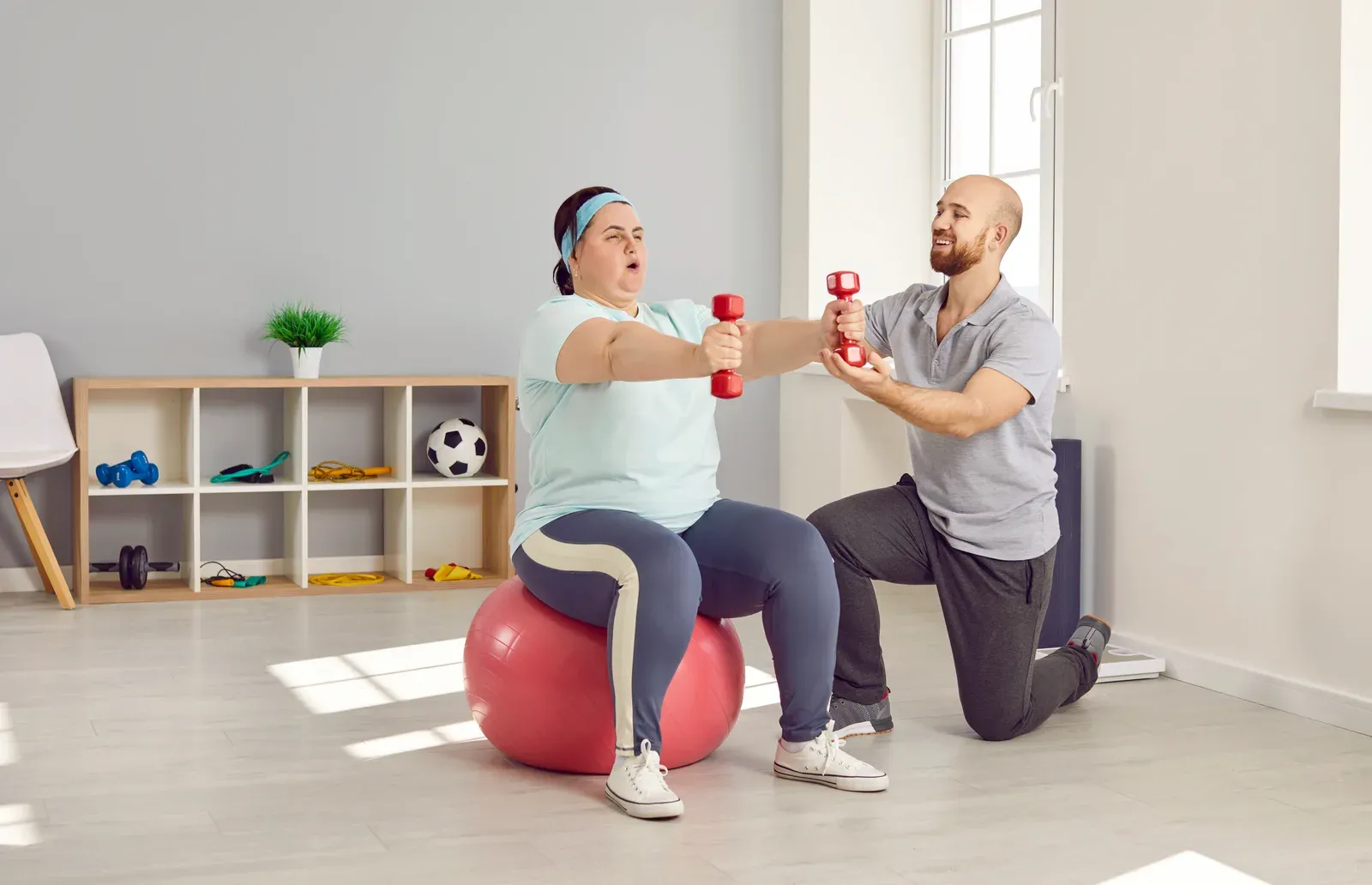
If you weigh over 300 pounds, the best place to begin is with equipment you have verified will support you and with seated, supported and low-impact movements that you can control, building up through small, measured milestones. Starting is possible and useful at any size, and the early work is less about burning calories than about proving to yourself that movement feels manageable. Get your physician’s input first, especially if you have heart, blood pressure, blood sugar or joint conditions.
Check the equipment before the exercise
Many people over 300 pounds have had the experience of a chair, bench or machine feeling flimsy or too narrow. That is a design limit, not a personal failing, and it is solved by checking first.
- Read the weight rating. Manufacturers list a maximum user weight on benches, chairs, cardio machines and many selectorized machines. If the label is missing or worn, ask the staff or the maker.
- Check width and clearance. Seat width, arm pad spacing and belts differ. Sit on the equipment unloaded before using it.
- Prefer stable setups. Benches with a wide base, sturdy chairs with arms and machines bolted to the floor feel more secure than light folding furniture.
- Ask at the facility. A good gym or studio will answer fit questions without fuss. At FlexWerk, ask during the free consultation which equipment suits your build; do not assume, and do not skip the question.
Seated and supported movements to start with
Begin with exercises that let you stay supported and control the range. A starter list:
- Seated marching in a sturdy chair, for warm-up.
- Sit-to-stand from a firm, elevated chair, using the arms if needed.
- Seated row with a resistance band anchored to a stable point, or a cable seated row.
- Wall push-ups, standing an arm’s length from a solid wall.
- Seated overhead press with light dumbbells or a band.
- Glute bridge on the floor if getting down and up is comfortable, or on a firm bed edge if not.
Start with one set of eight to ten and two or three sessions a week, with a rest day between. The overweight beginners plan gives a four-week progression that uses similar moves.
Cardio without pounding
Cardiovascular work is valuable, but impact is a concern for knees, ankles and hips. Good beginner options include:
- Walking on a flat route or treadmill, starting with five to ten minutes and adding a minute or two weekly.
- A recumbent bike, where the backrest supports your spine and the seat is wide.
- Seated arm cycling or a seated stepper, if standing is a limit.
- Water exercise, if a suitable facility is available and your physician agrees.
Use the talk test: you should be able to speak in short sentences. If you cannot, slow down.
First progression milestones
Replace scale goals with capacity goals for the first eight to twelve weeks:
| Milestone | Typical sign you are ready |
|---|---|
| 10 sit-to-stands without hands | Moves from a higher seat to a standard chair |
| 20 minutes of continuous walking | Can speak comfortably throughout |
| Two weeks of three sessions | Soreness fades within a day |
| A heavier band or dumbbell | Last reps feel steady, not shaky |
Reaching these milestones means your body is adapting. Weight changes tend to follow consistent behavior, but they are not the first sign.
Skin, sweat and comfort
Chafing, heat and shortness of breath can make workouts unpleasant at any size. Choose breathable clothing, moisture-wicking fabric and supportive shoes with good cushioning. Keep sessions in a cool room where possible, hydrate and rest between sets. Moisture-related skin irritation is common and manageable, and mentioning it to your physician helps if it persists.
Warning signs to stop and call a clinician
Stop exercise and contact your physician, or emergency services if severe, for chest pain or pressure, unusual breathlessness, dizziness, fainting, swelling in one leg, or sharp joint pain that does not fade. Those signs are not a reason to give up for good, only to get checked before you continue.
Working with a coach in a private setting
Many people at this body weight avoid gyms because of feeling watched, fear of breaking equipment or past experiences of being dismissed. A private suite removes the audience, and a coach can check setups, adapt movements and keep progression measured. The plus-size coaching guide describes what that looks like, and gym anxiety and private training covers why the room matters. FlexWerk’s free consultation includes an InBody scan and a conversation about your history, with a free first session afterwards. Book through the free consultation page and mention equipment fit and your physician’s guidance up front. Coaches set their own formats, so ask how they approach your starting point.
How to talk to your physician
A short list makes the visit productive: Is it safe for me to start with light strength work and walking? Are there heart-rate or blood pressure limits I should respect? Do any of my medications affect exercise? Which joint complaints should I watch? Which warning signs should send me back? Bring your plan, and ask for any written limits. That conversation gives you permission to begin and a safety net if something changes.
Choosing a place to train
Look for a facility with wide aisles, sturdy benches and chairs with arms, a quiet time of day and staff who answer fit questions without comment. Visit before joining and test a few seats and machines on a light setting. If an environment makes you tense, a private room or home setup with a few well-chosen pieces, such as a sturdy chair, bands and adjustable dumbbells, is a perfectly good way to begin and may suit the first months better than a public floor.
Building from here
After the first three months of steady work, you will likely find that stairs, getting out of chairs and carrying shopping feel different. At that point, the plan can add a second set, a heavier load or a short interval walk. Each addition should come one at a time. The aim is a routine you can keep for years.
Next step: look up the weight ratings on the equipment you will use, and write your physician questions into your phone.
Related questions
How do I know if a machine is safe for my weight?
Read the manufacturer's label for the maximum user weight, and ask staff if it is missing. Seat width, seatbelt or handle positions and stability matter as much as the number, so test the setup at low effort first.
What is the safest cardio to begin with?
Walking, a recumbent bike or a seated stepper are common starting points because they limit joint impact and let you stay supported. Water-based exercise suits some people, but facilities vary, so ask what they offer.
Will I need to lose weight before I can lift?
No. Resistance training is one of the most useful things you can do at any body weight, and loads can start very light, using your own body weight or bands.