
Best Exercise for Introverts Who Find Gyms Draining
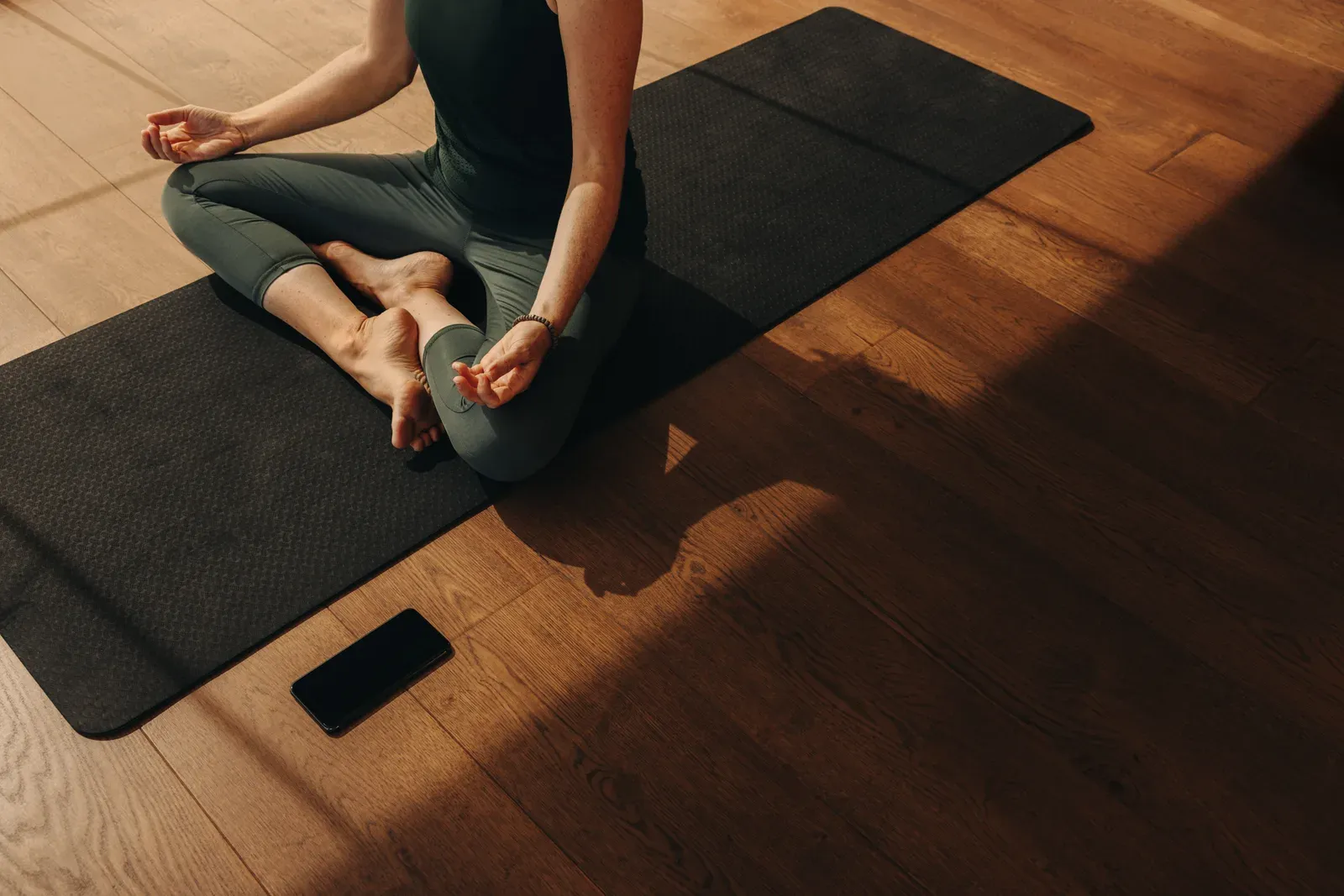
The best exercise for introverts is whatever gives you the training effect with the lowest social load: walking and hiking, solo strength training at quiet hours, swimming, cycling or private one-on-one sessions. Introversion is about how you recharge, not about fear, so the question is not how to endure a crowd but how to choose settings that leave you with energy instead of taking it. This guide ranks common options by social load so you can choose deliberately.
What social load means
Social load is the amount of stimulation and interaction an activity carries. Four things raise it: the number of people around, how much talking is expected, how unpredictable the environment is and how visible you are. A walk on a quiet trail has a low load on all four, while a crowded class with partner drills is high on every one.
Introverts do not need zero social load. Many enjoy a trusted training partner or a coach they like. What drains them is high, unpredictable and prolonged stimulation.
The ranking
| Social load | Activities | Why it works or costs energy |
|---|---|---|
| Very low | Walking, hiking, home workouts, solo cycling | You choose the pace, place and company |
| Low | Swimming laps, off-peak solo gym sessions, private one-on-one training | Few people, predictable routine, no performance for an audience |
| Medium | Small classes, running with one friend, a small training group | Structure helps, but shared energy and talking are expected |
| High | Busy big-room classes, peak-hour gym floors, team leagues | Constant stimulation, little control over noise and crowding |
Use the table as a menu, not a verdict. An introvert who loves a particular class can ignore it entirely.
Building a week with low social load
A sample week:
- Two strength sessions at quiet hours, either alone at the gym early in the morning or in a private setting.
- Two or three walks outdoors, which count as both exercise and recharge time.
- One optional social activity, such as a hike with a friend or a small class, if it feels good.
The structure matters more than the specific items. Training at the same quiet time each week builds predictability, which lowers the effort of showing up.
Matching exercise to energy
Notice how you feel afterward. If you walk out of a session lighter, the setting works. If you need an hour of silence to recover, the load was too high. Adjust the variable that caused it: time of day, location, class size or company. Pairing a hard day at work with a low-load workout, and saving the busier setting for days you feel fresh, can help.
Private options for introverts
A private suite takes crowd noise out of the picture and puts predictability in: the same room, one coach, no queue for equipment. The guide to personal trainers for introverts covers how to choose a coach whose style suits a quieter personality, and gym anxiety and private training explains the difference between introversion and anxiety. If a busy floor feels frightening and not just tiring, the scared to go to the gym alone plan offers a gradual approach.
At FlexWerk, the free consultation includes an InBody scan and a conversation, and a free first session follows. Coaches set their own formats and terms, so ask about personality fit.
Coaching without small talk
You can tell a coach what you prefer. A sentence like “I like to keep conversation light and focus on the work” is enough, and most coaches will adapt. Some will still talk more than you want, which is useful information for choosing a different match. Ask about the first sessions and how feedback is given, because quiet coaching styles exist.
Group formats that can work for introverts
Some structured group formats are gentler than they sound. A small class with a clear, repeating format, a hiking club that walks quietly in pairs or a swim lane with its own rhythm can offer connection without constant conversation. What helps is predictability: the same people, the same routine and an easy way to leave. Try one session as an observer, and treat the first visit as research.
Fitting training into a social calendar
Introverts often protect energy for work and family and let exercise slip. Instead of waiting for a free hour, anchor training to something you already do, such as the morning after a social event or the afternoon before one. Use the quiet exercise as preparation, a way to arrive with energy rather than a task to finish after you run out of it.
Outdoor options near Carmel
The Monon Greenway runs five miles through Carmel, and the wider connected trail loop links about 28 miles, so a solitary walk, run or bike ride is easy to find. Early mornings and weekday afternoons tend to be quieter, and a pair of headphones or a quiet partner makes the loop a recharge session.
Avoiding the depletion trap
A few habits keep gym time from draining you. Schedule training before social obligations, not after, and keep a recovery block of quiet time after a heavy social day. Use headphones if they help. Choose a place with enough space around the equipment. If you tend to overcommit socially, treat your training as an appointment you protect, not an extra you squeeze in when energy is left.
Exercise you can do at home
Home training is the lowest-load option: bodyweight circuits, bands and a pair of dumbbells cover most needs. The risk is isolation and drift, so schedule fixed times and track sessions. If you lose momentum, a few coached sessions can restart the routine and build a plan you can run alone.
When to ask for help
If social settings feel painful and not merely tiring, or if avoidance spreads beyond the gym, speak with your physician or a mental health professional. Introversion is a temperament, but persistent distress deserves care.
Next step: pick two quiet slots this week and one low-load activity you will do regardless of mood.
Related questions
Is it normal to feel exhausted after a busy gym?
For many introverts, yes. Noise, crowds and constant stimulation use up energy that exercise itself would not. Quiet hours or private settings often change the experience entirely.
Are group classes bad for introverts?
Not necessarily. Some introverts enjoy a structured class where talking is optional, while others find the group energy tiring. Test one and notice how you feel afterward.
What is the best workout for recharging?
Solitary, rhythmic activities such as walking, hiking, swimming or easy cycling often recharge introverts, while heavy strength work in a calm setting builds confidence without social demands.