
What Age Can Kids Start Lifting Weights?
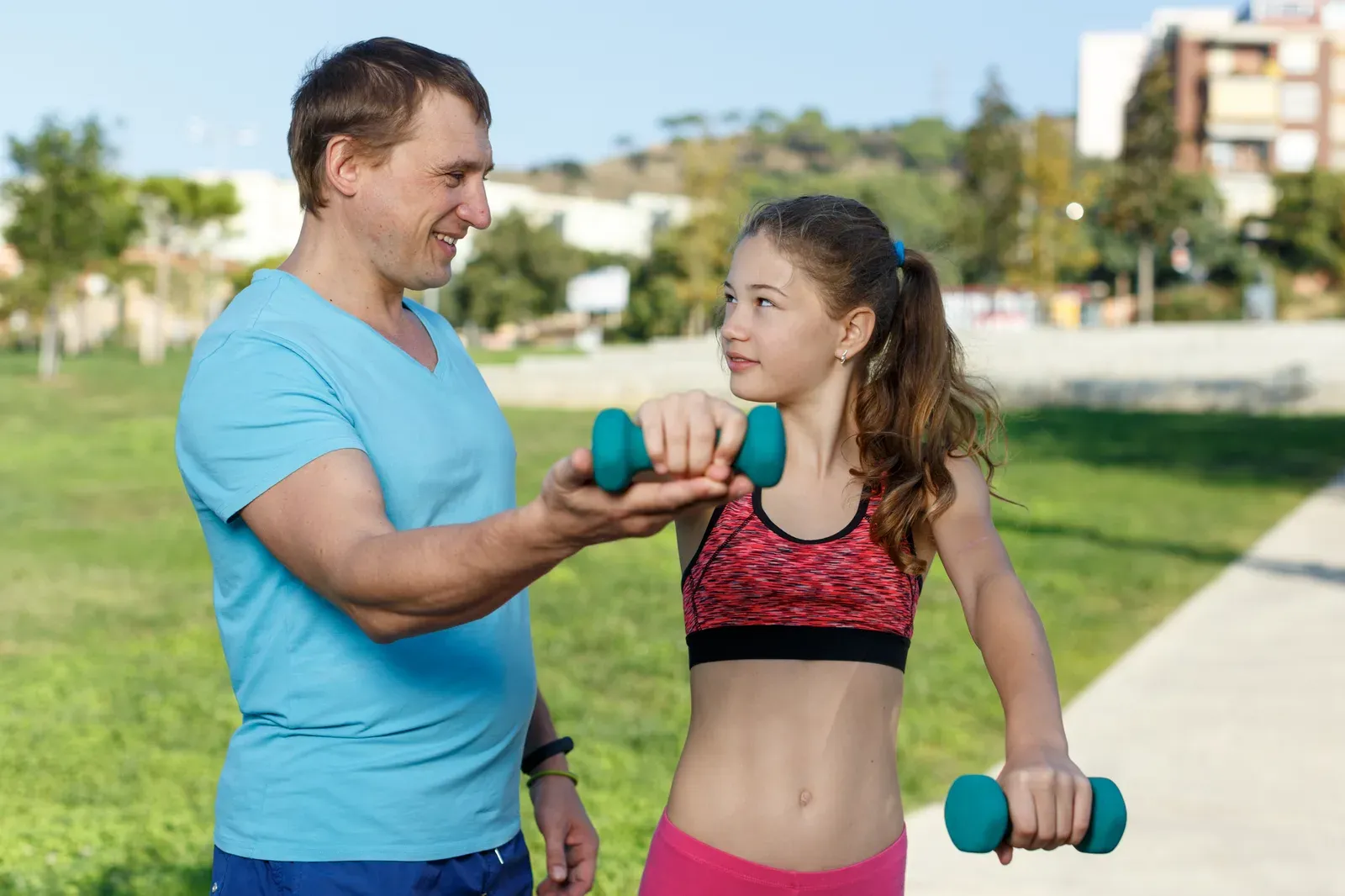
There is no minimum age at which lifting weights becomes appropriate for a child: readiness depends on whether a kid can follow coaching instructions and control their own movement, which commonly shows up somewhere in the elementary years, not on a specific birthday. A coach at FlexWerk in Carmel starts every young client from that same readiness question rather than a chart, and the entry point is a free consultation where a coach can actually watch a child move before deciding where to begin.
The old age-limit advice was wrong
For decades, well-meaning adults warned that lifting before a certain age would stunt growth or damage growing joints. That advice has not held up. Sport-science organizations now broadly support supervised, appropriately loaded resistance training for young athletes as both safe and beneficial, and the growth plate fear specifically has been walked back as research accumulated. What actually causes harm is unsupervised, poorly coached lifting at any age, an adult grinding through an ugly max rep is a bigger risk than a coached seven year old learning a squat with a broomstick.
What actually determines readiness
Chronological age is a poor predictor here. A more useful readiness check looks at three things: can the child follow verbal instructions and adjust their movement when corrected, can they control their own body weight through a squat or lunge pattern without losing balance, and can they hold attention through a short structured session. Some kids check all three boxes at six or seven. Others are closer to ten or eleven before the coordination and focus arrive together, and that is entirely normal too.
What a first program should look like
A young child’s first program is almost entirely about movement quality, not load.
- Body weight first. Squats, lunges, and hinges practiced with no added weight until the pattern is genuinely owned.
- Light, playful loading. Light dumbbells, medicine balls, or resistance bands once movement is solid, still far below anything that challenges maximum effort.
- Short sessions. Thirty minutes, sometimes less, matched to attention span rather than physical capacity.
- A coach watching every rep. One on one attention catches the small technique breaks that a crowded gym floor never would.
When a physician belongs in the conversation
Most healthy kids need no medical clearance to start light, supervised strength work. That said, any existing condition, a heart concern, a joint issue, a diagnosed growth condition, is worth a conversation with a pediatrician before training begins, and a good coach will ask about that history in the first session regardless.
Whatever your child’s age, the honest starting point is a session where a coach can actually watch how they move, not a rule about how old they need to be first. The same no-age-disqualifies-you logic works in the other direction too: adult beginners near Westfield hear the identical message at sixty that a young child hears at eight. Once a young athlete is juggling more than one sport, the strength question shifts from readiness to scheduling, covered in our multi sport athlete guide, and a teenager gearing up for a specific team can pick up the thread in tryout prep training.
Related questions
Is my eight year old too young to start?
Age eight is not automatically too young. What matters is whether a child can follow coaching cues, control a light load through a full range of motion, and stay focused for a session. Some kids are ready earlier, some later, and a coach can tell within one session which is true.
Will lifting stunt my child's growth?
That fear is not supported by current sport-science guidance. Supervised, appropriately loaded resistance training for young athletes is broadly considered both safe and beneficial. Any specific growth or bone concern is worth raising with your pediatrician directly.
How is training for a young child different from training a teenager?
Mostly in pace and load. A young child spends far more time on movement patterns with body weight or very light resistance before any meaningful load enters the picture, and sessions stay shorter to match attention span rather than physical capacity.