
Strength Coach vs Personal Trainer: What Actually Separates Them
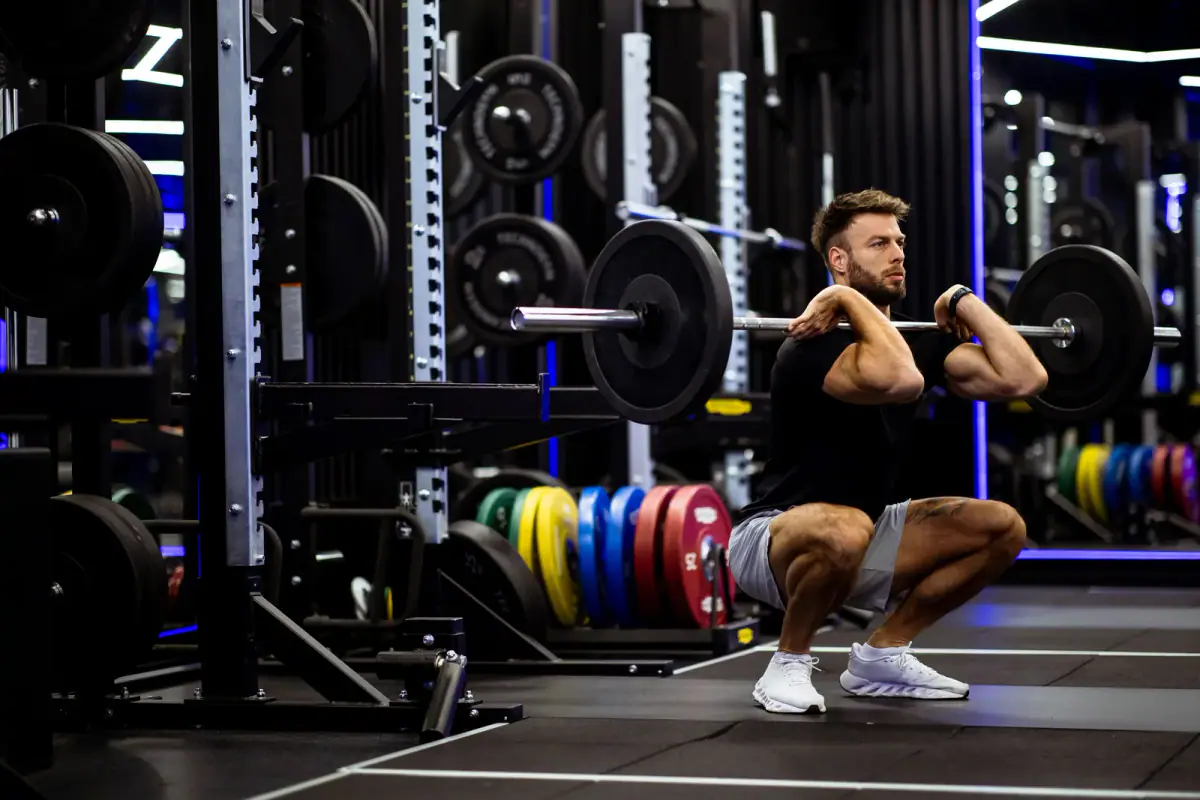
For someone hiring a coach, strength coach and personal trainer are overlapping titles for the same unlicensed profession, and the difference that matters is emphasis, not rank. Coaches who adopt the strength label typically came up through barbell sports or team athletics and organize everything around measurable lifts; the broader trainer title spans fat loss, general conditioning, and habit change as well. If your goal lives under a barbell, start with the strength training in Carmel page and work backward from the goal to the coach.
Why the two titles blur together
No credentialing system separates the titles, so coaches pick whichever describes their identity and clientele. This is the crucial contrast with a genuinely licensed profession: the line between a trainer and a physical therapist is drawn by law, as explained in trainer versus physical therapist, while the line between a trainer and a strength coach is drawn by marketing. In collegiate and professional sport, strength and conditioning is its own credentialed career path, but in a consumer setting the person calling themselves a strength coach and the person calling themselves a trainer may hold identical certifications and serve identical clients.
Where the difference is real when it exists
When the strength label is earned, it shows up in programming depth. A strength-emphasis coach thinks in training blocks that span months: planned loading waves, scheduled lighter weeks, and progress defined by numbers on specific lifts rather than by how sweaty a session felt. The engine underneath is the same principle any good coach uses, covered in progressive overload explained, but the strength specialist applies it with more precision and more patience. The athletic background matters too: coaches from sport tend to be fluent in power development, sprinting and jumping mechanics, and preparing a body for a season, which general-population trainers touch less often.
Which one your goal should hire
Read your goal, then pick the emphasis. Chasing particular numbers, a bodyweight squat, a first chin-up, a return to competitive sport, or an adult athletic pursuit: seek out a coach with a demonstrated strength or performance background. Pursuing weight loss, energy, health markers, or a general return to fitness: either title serves, and coach fit, schedule, and communication style should outrank the label entirely. Mixed goals, which is most people, do fine with a strength-literate generalist. In Carmel, FlexConnect matches you against the more than 40 independent professionals at FlexWerk in Carmel City Center by specialty, so you name the goal and the emphasis finds you, and every session runs in a private reserved room with a full lifting rack, cables, and dumbbells rather than on a waiting-your-turn gym floor.
The one-conversation emphasis test
Ask a candidate coach how they would structure your first eight weeks. A genuine strength coach answers in blocks, lifts, and target progressions almost reflexively; a generalist answers in habits, sessions, and assessments. Neither answer is wrong, but one of them will match the goal you walked in with, and hearing the mismatch early costs you nothing. Put the question to a real coach and let the answer, rather than the job title, make your decision.
Related questions
Is a strength coach more qualified than a personal trainer?
Not by definition. Both titles sit outside any licensing system, so qualification comes from certification, education, and track record rather than from the words on the business card. Plenty of people using the plain trainer title program strength as rigorously as anyone.
Do I need a strength coach to learn barbell lifts?
You need a coach who teaches barbell lifts well, whatever they call themselves. Ask how they introduce the squat, hinge, and press to a new client; a confident, staged answer matters more than the title above the answer.
Can a strength-focused coach also help me lose weight?
Yes. Strength training is a core engine of body composition change, and most strength-oriented coaches manage nutrition habits and conditioning alongside the lifting. If fat loss is the primary goal, just say so up front so the program is built around it rather than around the barbell for its own sake.