
Personal Trainer for Scoliosis Near Me: Honest Answers Before You Book
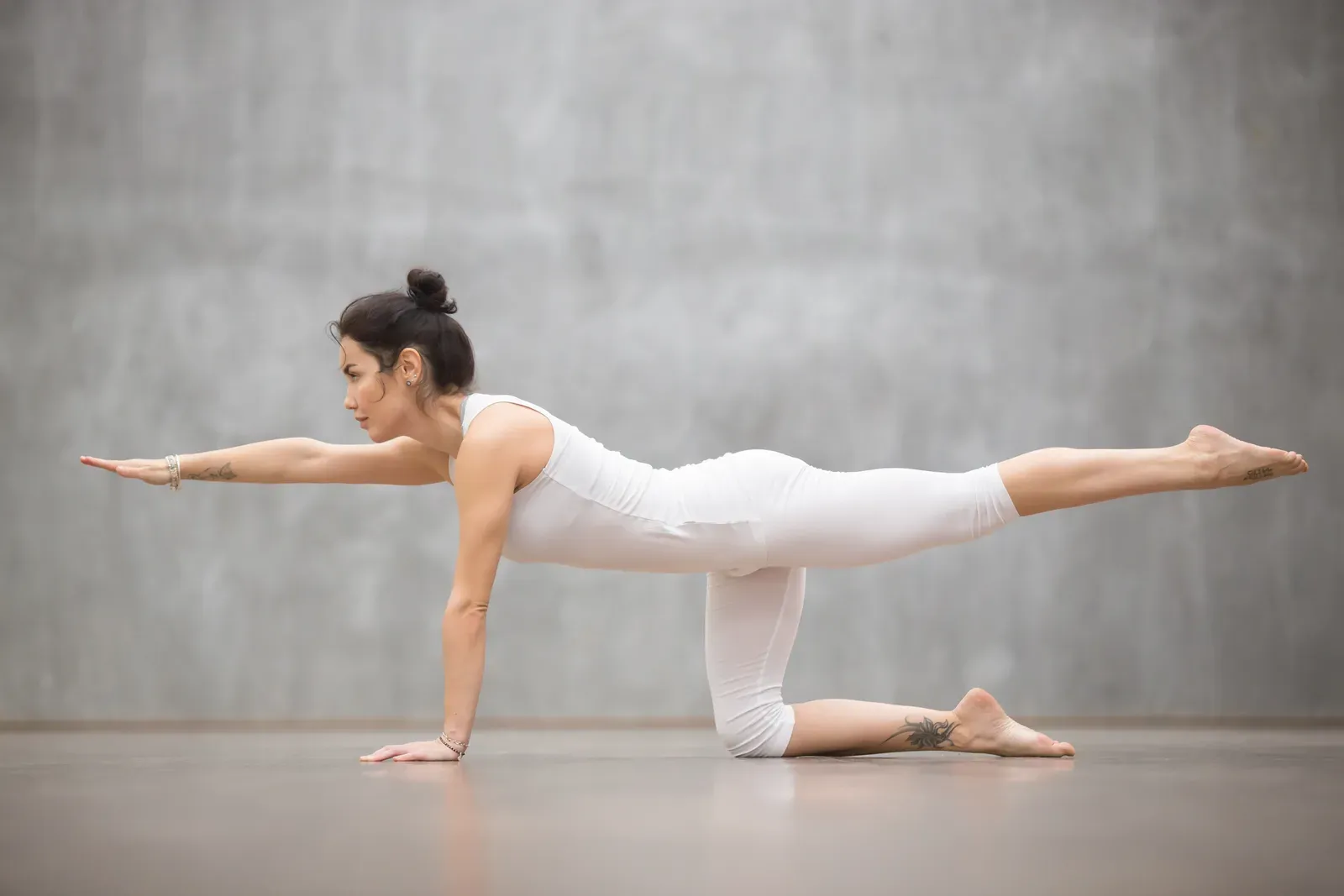
Yes, most people with scoliosis can strength train, and a good personal trainer near Carmel will coach balanced, mostly symmetric loading alongside your physician’s management of the spine itself. What no honest trainer will promise is to straighten, correct, or treat your curve: that is clinical territory, and claiming otherwise is the fastest way to fail this interview. Here is the honest version of what coaching adds, and where it stops. Near Carmel, the way in is a free consultation where that honesty is on display from the first conversation.
What training changes, and what it does not
Strength training with scoliosis builds what it builds for everyone: stronger muscle, better work capacity, easier daily life, and a body you trust more. Those gains are real and worth pursuing. What resistance training does not do, per any coaching credential, is change the curve. Your spine’s structure is your physician’s domain, monitored and managed on their schedule, sometimes with a physical therapist prescribing specific work. A coach’s program lives alongside that clinical care, never in place of it, and every question about the curve itself, progression, imaging, symptoms, goes back to your clinical team. The formal scope comparison is in trainer vs physical therapist if you want the line drawn precisely.
Before a first session, ask your physician two things: is progressive strength training appropriate for my spine, and are any movements restricted? Bring the answers. A coach can only respect boundaries they know about.
What spine-aware coaching looks like
Coached sessions for a lifter with scoliosis are built on unglamorous fundamentals, applied with more attention than usual:
- Symmetric loading as the default. Bilateral squats, hinges, presses, rows, and evenly loaded carries form the base. The honesty here matters: symmetric loading trains both sides evenly, it does not correct asymmetry, and a good coach says so plainly.
- Positions your spine accepts. Supported variations, adjusted stances, and cable work from the room’s system let the coach find versions of each pattern that feel solid for your particular back.
- Conservative, recorded progression. Loads climb in small steps, with how your back responded logged and honored session to session, the same careful method described in training around an injury.
- A referral reflex. New pain, numbness, or anything that feels like change routes you back to your physician promptly. Coaches coach; clinicians assess.
If back pain rather than curvature is the headline of your story, the deeper local guide is personal trainer for back pain in Carmel.
Finding the right fit near Carmel
For searchers near Carmel, the practical answer is FlexWerk at Carmel City Center, 885 Monon Green Blvd, where every session runs one on one in a private reserved room. That format fits this situation unusually well: no audience while you and a coach patiently find your positions, no pressure to move at a stranger’s pace, and a coach whose eyes stay on your form for the entire hour. The free consultation is the starting point, including a free InBody body composition scan and a real conversation about your spine history and your physician’s guidance. FlexConnect then matches you with one of the more than 40 independent professionals in the building, and a scoliosis brief is exactly the detail to raise so the match lands on a coach who programs this way routinely.
Hours run 5 AM to 9 PM weekdays and 7 AM to 4 PM weekends, with garage parking a short walk away. Talk to your physician first, then book the consultation and start building strength around the spine you have, with people who are honest about which job belongs to whom.
Related questions
Can strength training straighten scoliosis?
No trainer should claim that. The curve itself is managed by your physician and, where prescribed, a physical therapist. Training builds strength, capacity, and confidence around a spine your clinical team manages.
Is lifting weights safe with scoliosis?
For many people yes, but that is your physician's call based on your specific curve and history. Get clearance first, share any restrictions with your coach, and expect a program that progresses conservatively.
Should my trainer talk to my physical therapist?
Ideally yes, or at minimum follow written guidance from them. A coach who wants your clinical team's input in writing is showing you exactly the professionalism this situation calls for.