
Personal Trainer After Physical Therapy: The Westfield Handoff
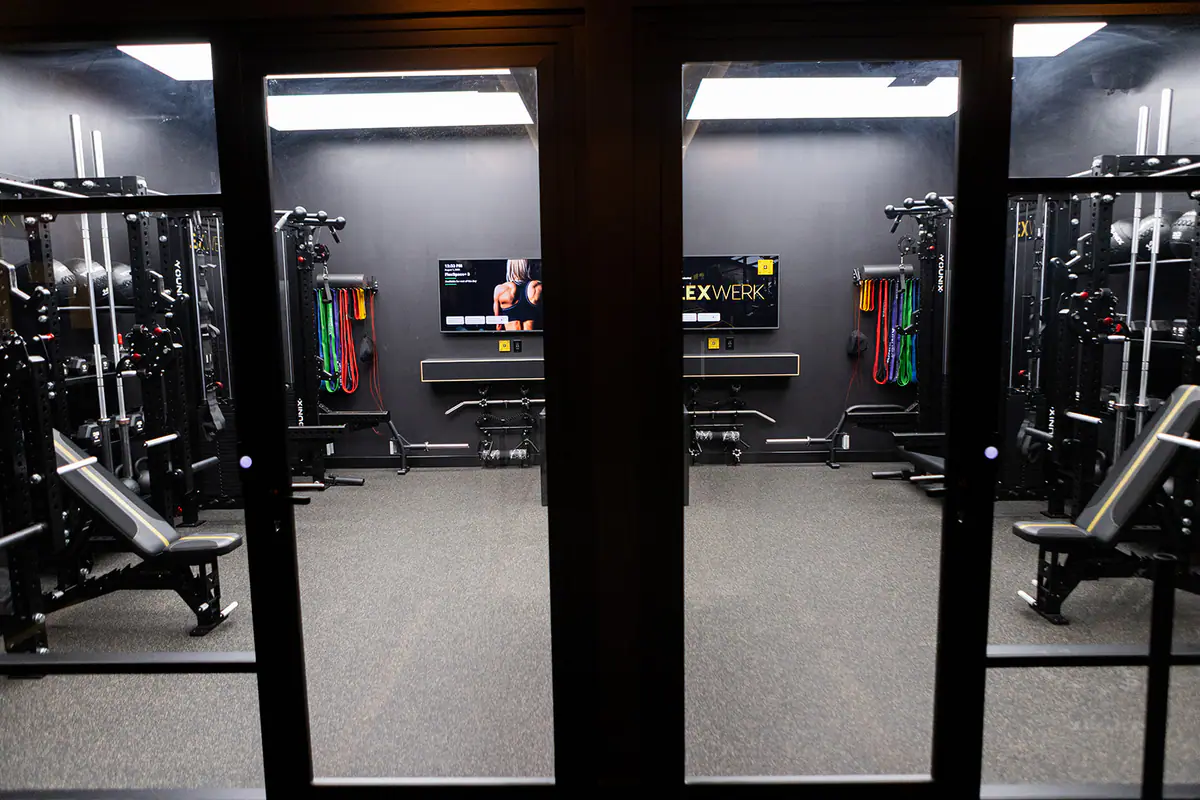
Nothing on this page starts until your physical therapist or physician says it can: clearance for progressive exercise is the ticket in, and post-rehab coaching works inside that clearance, never around it. With that said plainly, Westfield residents who are discharged and cleared can keep building in a private room about 10 to 15 minutes down US-31, and the Westfield personal training page describes the coaching arrangement itself.
The bridge idea is simple: therapy restored your movement, and a coach’s job is to keep that restoration from stalling, at whatever pace your providers’ guidance allows.
Ask your PT these things before the last appointment
The best handoffs are planned in the clinic, not after it. Before discharge, ask which movements are open to loading now, which ones wait and on what condition, and which home exercises your therapist wants continued indefinitely, and request the answers in writing where possible. Those three answers become the spine of the coaching program, and a coach who never asks to see them is the wrong coach for this stage. The role boundary itself, what each professional does and does not do, is spelled out in trainer versus physical therapist.
What the coach actually does with them
A post-rehab coach translates clinical boundaries into a training week: the prescribed home exercises stay in the plan untouched, unrestricted areas train normally, and the recovering area advances only as your providers’ conditions are met, at loads that start conservative on purpose. Nothing gets diagnosed, nothing gets treated, and any symptom resembling the original problem sends the question straight back to your clinic before the next session. The interview checklist for finding a coach who genuinely works this way is the subject of the Carmel post-physical-therapy guide.
The room fits the stage
Careful work goes better without an audience, which is the practical argument for a reserved private FlexSpace: rack, cables, and dumbbells inside your own four walls, a coach watching every rep of movements that deserve patience, and no crowd setting a pace your recovery did not choose. Through FlexConnect, post-rehab experience is a specialty you can request by name from more than 40 independent professionals.
Starting from Westfield
The trip runs about 10 to 15 minutes down US-31, garage parking sits a short walk from the door, and the schedule stretches 5 AM to 9 PM on weekdays with 7 AM to 4 PM on weekends. The consultation costs nothing and includes a free InBody body composition scan; bring your discharge paperwork and your providers’ written guidance, because that stack of paper is the program.
Cleared and drifting is the state to avoid. If you are cleared, book the bridge.
Related questions
Can a trainer change the exercises my physical therapist prescribed?
No. Prescribed exercises are clinical decisions, and changes to them belong to your PT. A coach keeps them in the plan as written and builds strength work alongside them within your clearance.
Where do my training limits come from?
From your providers, through you. Bring the discharge summary and any written guidance to the consultation; the coach programs inside those boundaries and encourages you to keep your clinical team in the loop.
What happens if something feels wrong during a session?
The movement stops that day and the question goes to your PT or physician, not to the coach's judgment. Training resumes on whatever your providers say, which is exactly how this stage should work.