
Hiring a Mobility Coach Near Noblesville, Explained
Stiffness that arrived in your 40s and 50s is mostly trainable, and a mobility coach about 20 minutes south of Noblesville treats it exactly that way: locate the restricted joints, work them deliberately, and strengthen the new motion until it holds. The case for the southbound trip in general lives on the Noblesville personal training page; here is how the mobility side of it works.
Why range narrows in the first place
Joints keep the motion they use and quietly surrender the motion they do not. Twenty years of desk chairs, car seats, and couches trims hip rotation and mid-back extension a degree at a time, and old sports injuries that healed tight contribute their share. None of that is a verdict. The same use-it-or-lose-it rule runs in reverse: give a joint regular, progressively challenging work at its limits and the limits move.
What a coach adds over the videos you already tried
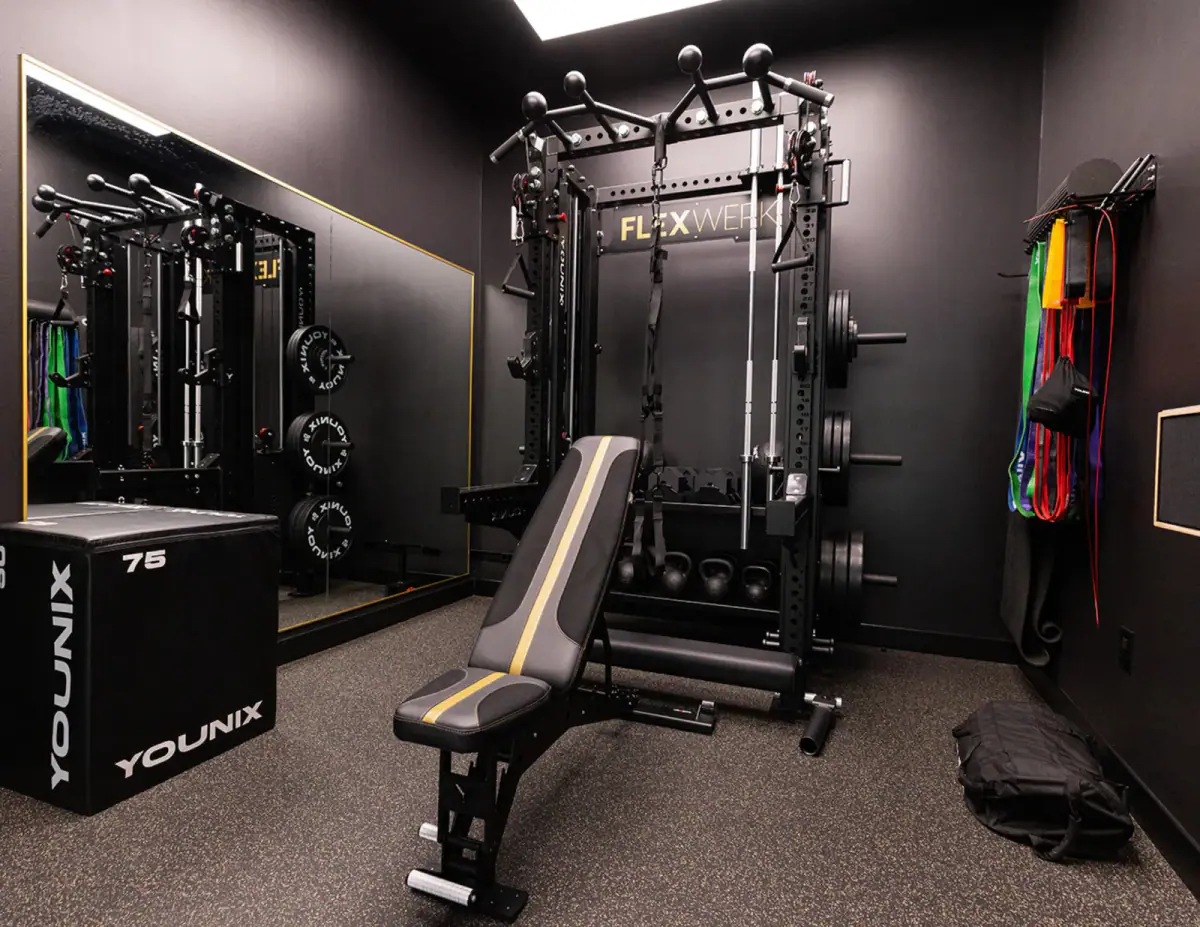
Follow-along routines hand every viewer the same ten minutes, which is why they help some spots and never touch others. A coach starts by finding your specific restrictions, then chooses drills for those joints, watches you perform them, and adds load once the position is sound, adjusting week to week the way any good training progresses. It happens one-on-one in a reserved private room, so the folded, wedged, awkward positions this work requires get zero spectators. The full method behind that sequence, assess, target, load, is documented in the mobility coach in Carmel guide.
The first six weeks, roughly
Visit one is the movement screen and a baseline. After that, most people run one or two coached sessions weekly with a short daily assignment between them, and re-test after several weeks to see which numbers moved. Expectations stay honest: early sessions often unlock motion quickly, keeping it is the slower project, and nobody credible promises a date. What you should notice first is ordinary life getting cheaper: shoes, stairs, the floor, the back seat. Bring your personal avoid list to the assessment, the low shelf, the golf bag, the grandkid on the rug, because those become better progress markers than any measurement taken with a protractor.
Twenty minutes south, and when to see a clinician first
From Noblesville, run 146th Street west then drop south, or take SR-37 to US-31, and plan on about 20 minutes to 885 Monon Green Blvd, garage parking close by. The boundary line matters more than the directions: pain, tingling, numbness, or a recent injury goes to your physician or a physical therapist before any coach, a division of labor spelled out in trainer versus physical therapist. Cleared and creaky? Book the free consultation, name the stiffness that bothers you most, and let the assessment find its actual source.
Related questions
Is it too late to improve mobility in my 60s?
No. Joints respond to consistent, progressive work at any age, and coaches here train adults across every decade. If anything hurts rather than merely feels tight, see your physician first and bring the guidance along.
How is a mobility coach different from physical therapy?
A physical therapist treats pain, injury, and diagnosed conditions under clinical care. A mobility coach trains healthy joints that have simply grown restricted, and refers anything painful to the clinic instead of programming around it.
Do I need to be flexible before starting?
The opposite. Arriving stiff is the entire premise, and the assessment meets you wherever your joints currently are. There is no baseline of bendiness to qualify for.