
Machines vs Free Weights for Beginners: What to Start With
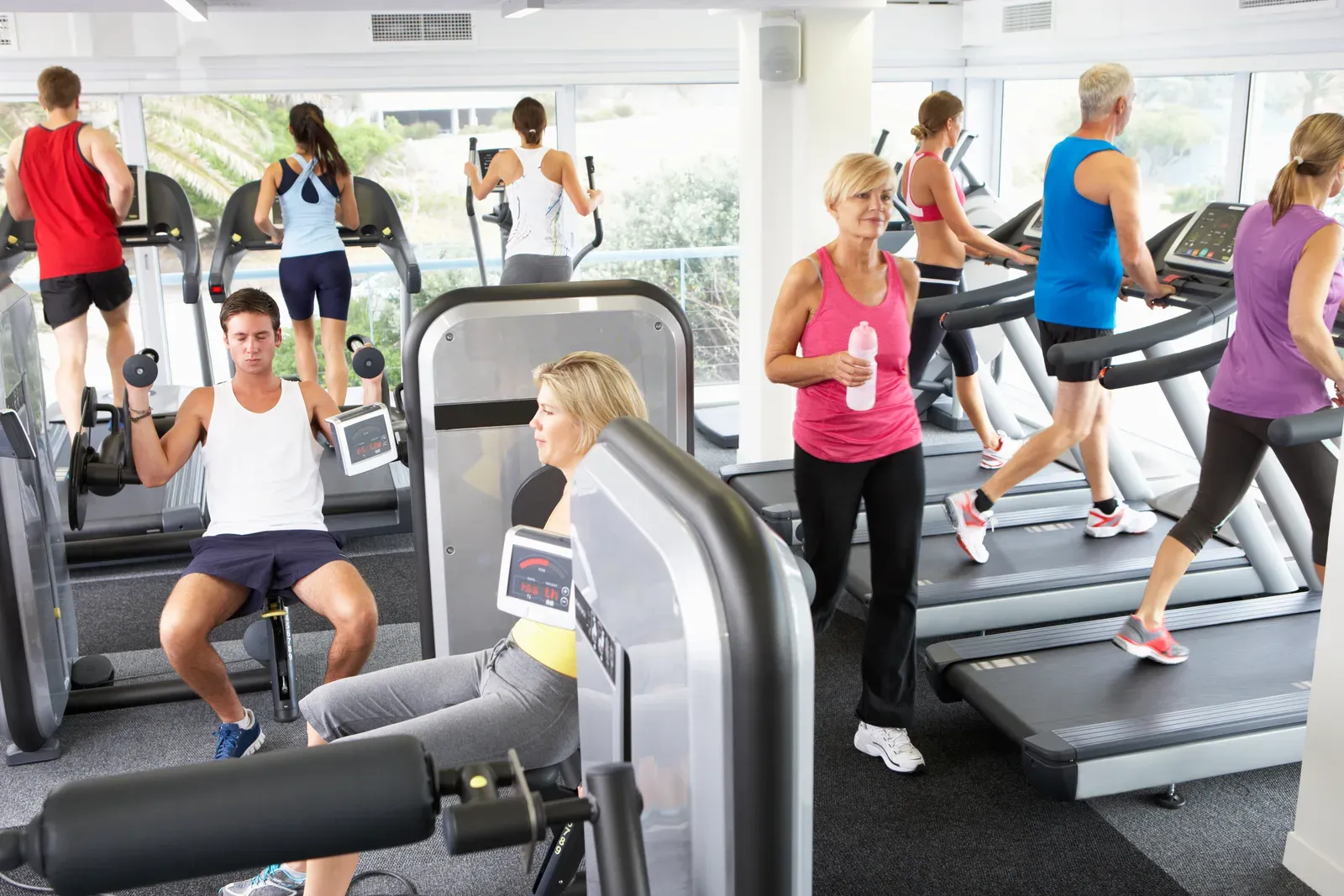
Beginners should start with a mix that leans on machines for the first two to four weeks, then move steadily toward dumbbells as each movement becomes controlled and repeatable. Machines remove the balancing problem so you can focus on effort and range. Free weights add that balancing problem back, which is exactly why they build coordination, and why they are riskier when you are brand new. The right order is a progression, and a beginner-focused coach can set the pace session by session.
What a machine does for you
A machine fixes the path of the weight. Your only job is to push or pull. That has three practical benefits when everything feels unfamiliar:
- You can train close to your limit without a spotter, since the stack stops when you do.
- You can isolate one muscle group and learn what working it feels like.
- You can adjust seat and pad settings, which makes the equipment forgiving for different body sizes.
The trade-off is that machines are built for an average body. If the seat never fits you, the machine is the wrong tool, not you.
What free weights add
Dumbbells and barbells ask your body to steer the load. Stabilizing muscles switch on, each side has to carry its own weight, and the movement pattern transfers more directly to carrying, lifting and getting off the floor in daily life. That is the reason nearly every long-term program drifts toward them.
The cost is skill. A dumbbell press can wander; a goblet squat can let the knees cave. Without someone watching, errors repeat until they feel normal.
A simple stage plan
- Weeks 1 to 2: Use machines for chest press, row, leg press and a lat pulldown. Learn the effort level where the last two reps are hard but clean.
- Weeks 3 to 4: Keep two machines and swap two movements to dumbbells, usually a goblet squat and a one-arm row, both light.
- Weeks 5 to 8: Move the majority to free weights, keeping machines for finishing sets when form is tired.
- After week 8: Build around your own mix. Many experienced lifters still use machines for legs and back because they allow heavy work with less setup.
The detailed handoff, including how to test whether a movement is ready, lives in the guide on progressing from machines to free weights.
Readiness checks before you switch an exercise
Do not swap on a calendar date. Swap when you can answer yes to these:
- Can you perform ten controlled reps at your machine weight with no shaking in the joints?
- Can you lower the weight slowly without letting it drop?
- Can you do the same movement with no weight at all and keep your balance?
If any answer is no, stay on the machine one more week. Nobody gets graded on it.
Where supervision changes the answer
The advice above assumes you notice your own errors, and most beginners do not. A coach watching the first dumbbell sessions can shorten the machine stage for someone who moves well, or lengthen it for someone who has an old shoulder or knee. If you are starting in your forties or later, the roadmap in never lifted at 45 and where to start fills in the program around this choice.
At FlexWerk in Carmel, training takes place in private suites with a custom lifting rack, a cable system and dumbbells, so a beginner can practice a new movement without anyone watching from the next bench. Each coach sets their own format, so ask what a first session covers when you book.
What to do this week
Pick four machines and two dumbbell movements, load them lighter than your ego wants, and write down what the last set felt like. Choosing that first weight is easier with a method, and the starting weight test provides one. Next week, change one thing only.
Related questions
Are machines safer than free weights for a beginner?
Generally yes for the first sessions, because the machine guides the path and you cannot drop a load on yourself. Poor setup, loads that are too heavy, and ignoring pain still cause problems on any equipment.
Do free weights build more muscle than machines?
Not meaningfully for a beginner. Muscle responds to hard sets taken near fatigue, and a well chosen machine delivers that as effectively as a dumbbell for most muscle groups.
Can I skip machines and start with a barbell?
You can, but it is a slower road without supervision. A barbell squat or press asks for coordination that most people need a few weeks of lighter practice to build.