
Lower Back Tight After Deadlifts: Causes and Fixes
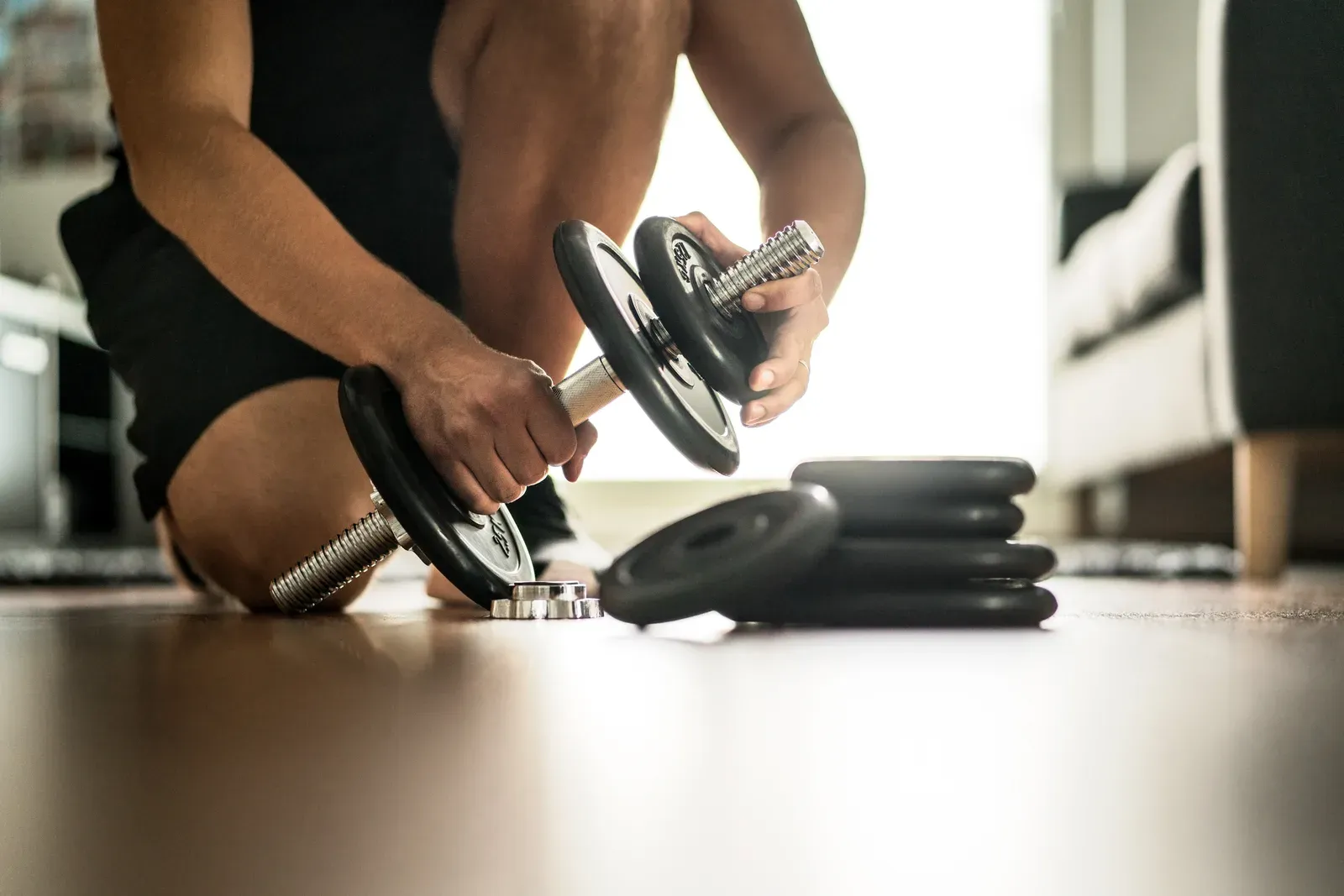
If your lower back feels tight after deadlifts, talk to a physician or physical therapist if the feeling is sharp, one-sided or travels into a leg, and otherwise look at your brace, your hinge and your weekly volume before you blame the lift itself. A coach cannot diagnose a back problem, but a coach can spot the common technical causes and adjust sets, reps and load around your clinician’s guidance. Many people sort this out in a session or two, and a free consultation is a low-pressure place to begin.
Questions to ask your physician first
- Is the tightness muscular, or does it need imaging or testing?
- Do I have any symptoms, such as leg pain, numbness or weakness, that change how I train?
- Which loaded positions should I avoid for now?
- How hard can I train while we find out more?
- What symptom should send me back to you right away?
Normal fatigue or a signal?
The erector muscles along the spine work hard in a deadlift, so some dull, even tiredness the next day is common. These signs point to something else and belong with a clinician first:
- Pain that is sharp or localized to a single spot
- Tingling, numbness or weakness in a leg or foot
- Symptoms that get worse rather than easing within a couple of days
- Pain at rest or at night that feels different from workout soreness
If you have a history of a disc problem, the herniated disc lifting guide covers the clinician-first path.
Cause one: the brace gives way
A brace is air pressure in the trunk, not a hard stomach. Before the bar leaves the floor, take a breath into your belly and sides, tighten your midsection as if bracing for a light punch and hold it through the pull. If your belly is soft at the start, the spine ends up doing the job the trunk should share, and the low back is what you feel afterwards.
Cause two: the hinge turns into a bend
Hips and spine should move at different times. Watch for these faults on video:
- Hips shoot up first. The bar leaves the floor, but the legs straighten before the chest rises, so the back rounds to finish the lift.
- Leaning back at lockout. Finishing with the ribs flared and the lower back arched loads the spine instead of the glutes.
- Bar drifts forward. If the bar moves away from your legs, the lever on your back gets longer.
Keep the bar in contact with the legs, push the floor away and finish by squeezing the glutes, not by leaning back. The dad strength guide and the hamstring answer both cover hinge fundamentals.
Cause three: too much, too soon
A back that is tired after every session often points to volume or frequency, not technique. Heavy pulling two or three times a week with no easy days is a common pattern.
The set, rep and load changes that reduce it
| Problem | Change | Why it helps |
|---|---|---|
| Every set is near max | Drop load about 10 percent and stop sets with 2 to 3 reps left | Lowers the repeated stress on the trunk |
| Sets drift as you tire | Use sets of 3 to 5 reps, not 10 or more | Fewer reps means better form late in a set |
| Hard pulls too often | One heavy day, one lighter technique day a week | More recovery between big efforts |
| Rushed lowering | Take 2 to 3 seconds to lower under control | Keeps the brace on and builds control |
| Floor start is awkward | Pull from blocks or use a trap bar for a few weeks | Shortens the range while you rebuild the pattern |
Make one change at a time so you know what worked.
Where a coach fits
A coach watches the first rep, the setup and the lockout, checks that your brace holds under load and plans the week so back tiredness does not pile up. Your clinician owns anything medical; your coach builds the training around it. At FlexWerk, that work happens in a private suite where you can pull without an audience, and coaches set their own session formats. If back pain is the bigger story, see the back pain coaching guide next, or book the free consultation.
Related questions
Is it normal for my back to feel tight after deadlifts?
Some muscular tiredness in the lower back after hard pulling is common. Pain that is sharp, localized to one side, or that shoots into a leg is different and belongs with your physician.
Should I stop deadlifting if my back gets tight?
Not necessarily. Many people keep pulling with a lighter weight or a modified setup while they sort out the cause. If the symptoms are worrying, ask your clinician before the next heavy session.
Do I need a belt?
A belt can give your brace something to push against on heavy sets, but it does not replace learning to brace. Learn the brace without it first.