
InBody Legs Lower Than Arms: Fixing a Lower Body Gap
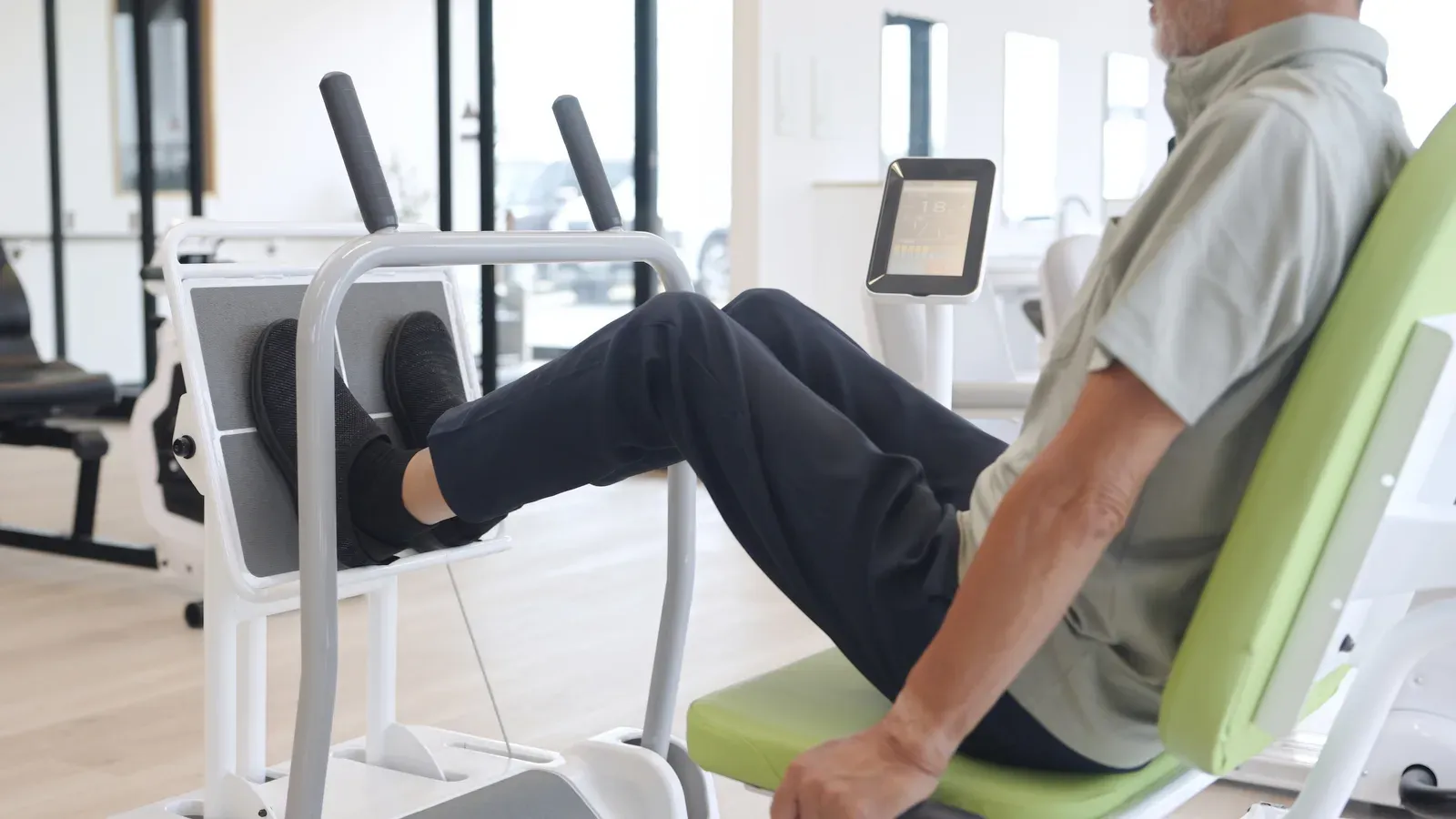
When an InBody report shows your legs lower than your arms, it means the lean mass in your legs is a smaller percentage of its reference than your arms are, which usually points to an undertrained lower body. The fix is a block of leg-focused lifting, enough protein and a retest after eight to twelve weeks. A free consultation with a coach can walk through your own sheet.
Read the percentage, not the pounds
The segmental lean analysis lists five parts: right arm, left arm, trunk, right leg and left leg. Each shows a mass in pounds and a percentage of the reference for your height and weight. Legs hold much more mass than arms, so a 20 pound leg and a 7 pound arm are not comparable by pounds alone.
The percentage is what you compare. Our page on segmental lean analysis explains the layout in detail. For this question, look at four lines:
| Line | What it tells you |
|---|---|
| Arm percent of reference | How well the arms are developed for your size |
| Leg percent of reference | The same for your legs |
| Left versus right | Whether one side lags |
| Trunk percent | Whether the core is keeping pace |
As a practical rule of thumb, a leg percentage that sits well below the arm percentage, say 10 points or more, is a clear signal. A two or three point difference is not worth worrying about.
Why legs lag behind arms
Several ordinary reasons produce this pattern:
- Training bias. Many gym routines favor chest, arms and shoulders, because they are quick to feel.
- Sitting. A desk job leaves legs lightly used, and the muscles shrink without demand.
- Past injury. A knee, hip or ankle problem can shorten leg days for months.
- Cardio without load. Running or cycling builds the legs’ endurance, but not always their size.
- Age. Leg muscle tends to decline earlier than arm muscle in people who stop lifting.
The leg gap is common, and fixable, because the legs respond strongly to heavy work.
The lower body block
Run this for eight to twelve weeks, with two leg-focused sessions a week:
- Squat pattern: leg press, goblet squat or barbell squat, 3 or 4 sets of 6 to 10.
- Hinge pattern: Romanian deadlift or hip thrust, 3 sets of 8 to 10.
- Single-leg work: split squat, step-up or lunge, 2 or 3 sets of 8 per leg.
- Calves: standing or seated raise, 3 sets of 10 to 15.
- Hamstring curl or similar, 2 or 3 sets of 10 to 12.
Add weight when the last set feels controlled, and keep one or two reps in reserve. Keep your upper body at maintenance, one or two sessions a week, so you can recover. If leg days leave you unable to walk, start with fewer sets and build up over three weeks.
Feed the change
Muscle growth in the legs needs fuel. A commonly cited protein target is 0.7 to 1 gram per pound of goal body weight each day, spread across meals, unless a physician advises otherwise. Eat enough overall, since a steep deficit makes leg gains harder. If you are also trying to lose fat, keep the deficit modest.
Check that it is working
Retest under matched conditions: same time of day, no hard workout the day before and a similar hydration level. The page on how often to rescan suggests four to six weeks. Expect small moves at first, a point or two on the leg percentage, and track strength as well: your leg press weight, step-up height and sit-to-stand count are good partners. The skeletal muscle mass guide explains the overall muscle bar.
When the gap is not about training
Be careful if the numbers changed fast. A one-sided drop, leg swelling, pain, numbness or weakness is a medical question, and a scan cannot answer it. The same goes for a heavy fluid shift from a new medication. Share the report with your physician. For a general view of how the report is scored, read what a good InBody score is.
Next steps in Carmel
A coach can pick leg loads that suit your joints and watch your squat depth. FlexWerk in Carmel includes an InBody scan in the free consultation, and coaches set their own session formats. The suites are private, so a heavy leg day happens without an audience. Bring your latest report, mark the two leg percentages, and set a retest date about ten weeks out.
Related questions
Is it normal for legs to show a lower percentage than arms?
It is common, especially in people who do more upper body work or sit most of the day. The arms are easy to train and show change quickly, while the legs need bigger loads to move the bar.
How long does it take to raise the leg bars?
With two leg sessions a week and enough protein, many people see the leg percentages rise over two to three months, though the change varies. A scan under matched conditions is needed to judge it.
Could swelling or water affect the leg reading?
Yes. Leg swelling, a hard workout the day before or different hydration can change the reading. Swelling that is new, one-sided or painful needs a medical check, not a scan retest.