
How to Fix Anterior Pelvic Tilt (and When Not to Worry)
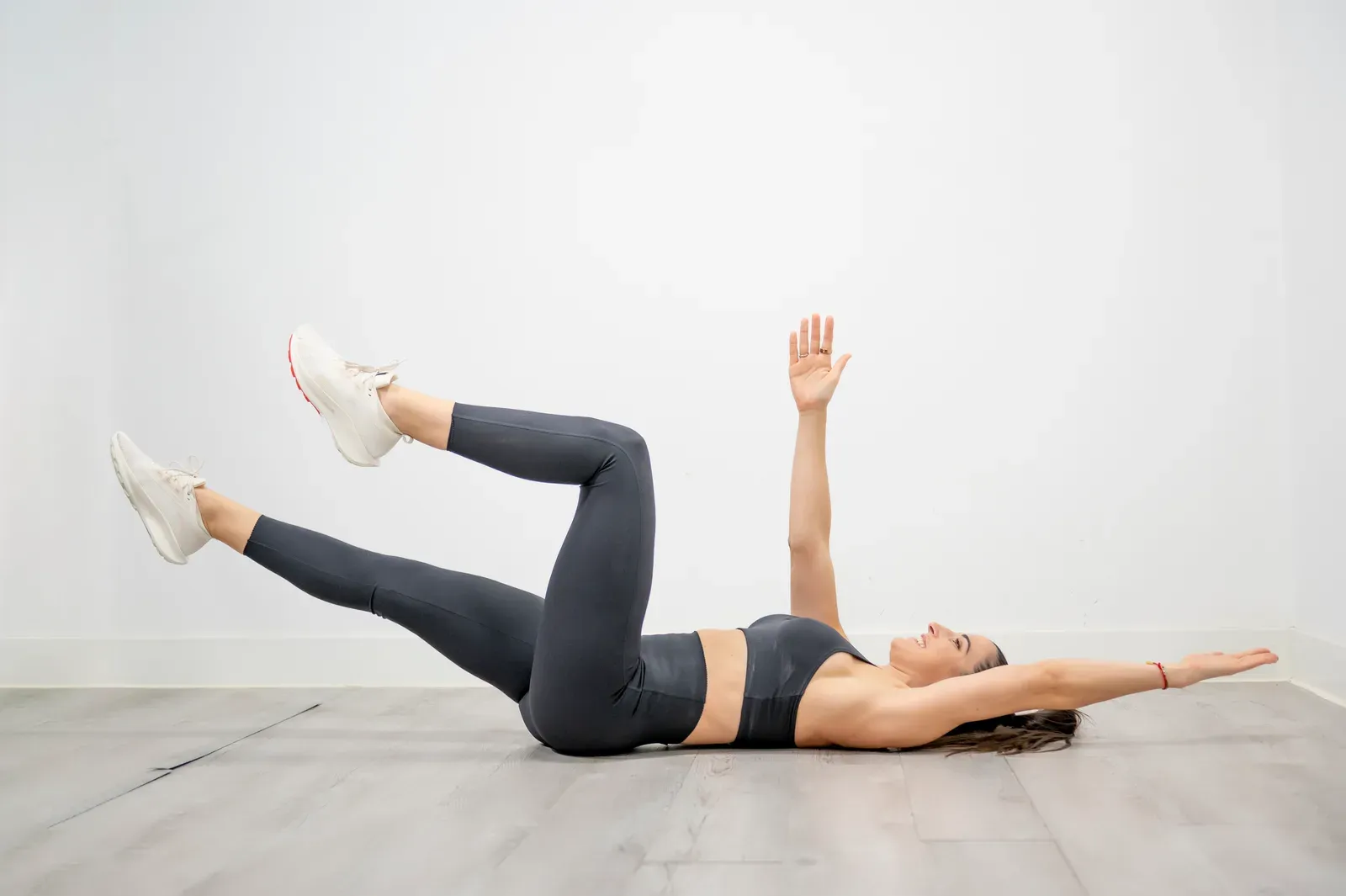
Anterior pelvic tilt is a forward rotation of the pelvis that creates a deeper arch in the lower back, and it is often normal variation; if you want to change it, strengthen the glutes and deep core and ease tight hip flexors. Many people with a mild tilt have no pain and nothing to fix. If you have back pain, numbness or leg symptoms, see a physician or physical therapist first, and a free consultation can help you plan the training side.
When it is normal
Everyone’s pelvis sits at a slightly different angle. Some tilt is built into how the spine and hips are shaped, and it shifts with posture, pregnancy, body composition and the way you stand for photos. A visible curve in the lower back or a rounded belly does not by itself mean a problem.
Pelvis position is also hard to judge by eye. Clothing, a squatting stance and camera angle exaggerate it. Only a trained clinician can say whether yours matters.
When it is worth working on
- You have low back stiffness or discomfort that eases when you change position.
- You want to improve how you stand, lift or look in profile.
- Your glutes feel weak or you rarely feel them working.
- Your job keeps you seated for most of the day.
The guide to rebuilding glutes after sitting covers the weak-glute part in more depth.
The three-part approach
- Strengthen the glutes. Hip thrusts or bridges, Romanian deadlifts and step-ups, two or three times a week. Strong glutes help hold the pelvis in a neutral position.
- Train the deep core. Dead bugs, side planks and carries teach the ribs to stack over the pelvis without over-arching.
- Loosen tight hip flexors. A half-kneeling stretch with the back glute squeezed, 30 seconds each side, after training or at breaks.
Add an easy cue: when you stand, soften the ribs down and think of lengthening the tailbone toward the floor, without clenching.
A quick routine
Do this three times a week.
- Glute bridge with a pause, 3 sets of 10.
- Dead bug, 2 sets of 8 per side.
- Side plank, 2 sets of 20 seconds per side.
- Half-kneeling hip flexor stretch, 2 times 30 seconds per side.
- Romanian deadlift, 3 sets of 8 to 10.
What to expect
Changes in how your back feels may appear in a few weeks, and a change in how you stand commonly takes eight to twelve weeks. The timeline page describes what typically shifts when. Do not expect a dramatic visual change.
When not to self-treat
Sharp pain, pain that radiates down a leg, numbness, loss of bladder or bowel control, or pain after an injury need prompt medical attention. A coach does not diagnose, and the guide for older adults shows how coaching works alongside a clinician.
Mistakes that make it worse
A common one is squeezing the glutes and tucking the tailbone all day, which tires the muscles and feels unnatural. Another is stretching the hip flexors hard without ever strengthening the glutes. A third is chasing a flat back, when a gentle natural curve is healthy. Aim for a relaxed, tall posture, and let strength do the work between sessions.
Next step
Try the routine twice this week and notice how your back and glutes feel. At FlexWerk in Carmel, a coach can check your lifts in a private suite, and each coach sets their own terms.
Related questions
Is anterior pelvic tilt always bad?
No. Pelvis position varies between people, and mild tilt is common without symptoms. It becomes worth addressing if it comes with pain or you want to change how you stand.
Can stretching alone fix it?
Stretching tight hip flexors may help a little, but most coaches add glute and core strengthening because muscle weakness often accompanies the tilt.
How can I tell if I have it?
Visual guesses are unreliable. A physical therapist or a trained coach can assess your standing position, though only a clinician diagnoses a condition.