
Exercise With Spondylolisthesis: Extension, Load and Core
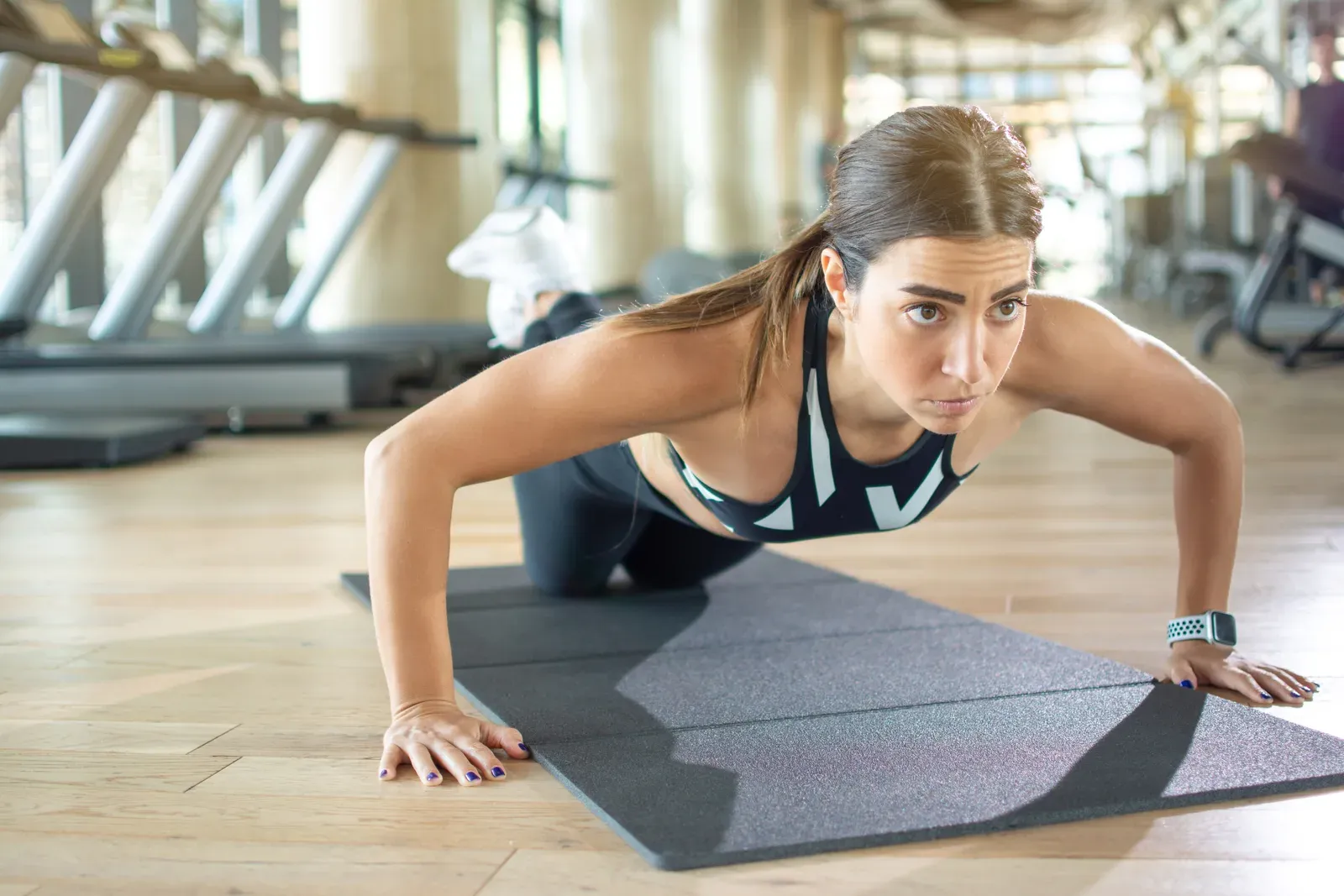
Exercise with spondylolisthesis starts with your physician or spine specialist, who knows the grade of the slip and whether it is stable, and then favors neutral-spine strength, strong hips and braced core work over loaded arching and heavy spinal compression. Spondylolisthesis means one vertebra has slipped forward relative to the one below it. The right plan depends on your imaging and symptoms, which a page cannot see. Once you have guidance, a free consultation can help translate it into weekly sessions.
Why movement preferences matter
In a slipped vertebra, the bones, discs and joints at that level are already sharing load unusually. Many people find that positions that arch the lower back, especially under weight, aggravate symptoms, while positions that keep the spine long and the trunk braced feel better. That is a pattern, not a rule, and some people feel the opposite. Pay attention to your own response and share it with your clinician.
A general sorting of exercises
| Often tolerated, with approval | Often modified or avoided |
|---|---|
| Hip hinges with a neutral spine and light to moderate load | Heavy loaded arching or back extensions |
| Leg press and supported squats | Heavy overhead pressing with a back arch |
| Bird dogs, dead bugs, side planks | Deep backbends and some yoga poses |
| Chest-supported rows | Repeated full forward bending under load |
| Bridges and glute work | Jumping, twisting and high impact in flare periods |
| Walking and cycling | Anything that sends pain into the leg |
Your clinician may draw these lines differently, and the safe version of any exercise depends on form, load and day.
Core work that helps
Core training for this condition tends to teach stability rather than movement through the spine. Typical choices include:
- Dead bugs. Slow arm and leg reaches with the lower back steady.
- Bird dogs. Opposite arm and leg extend without letting the hips rotate.
- Side planks. Short holds that load the sides of the trunk, from the knees at first.
- Pallof presses. A cable or band resists rotation while you stay still.
- Carries. Light suitcase carries challenge the trunk, if cleared.
Breathe steadily throughout, and stop an exercise that sends pain down the leg.
Hips and legs
Weak or tight hips can leave the lower back doing more than its share. Glute strengthening, hamstring flexibility within comfort and hip mobility work often figure in plans. For context on a nearby joint that also needs range-aware lifting, see hip impingement training.
Warning signs
Seek medical advice promptly for leg weakness, numbness in the groin or inner thighs, loss of bowel or bladder control, pain that is worsening quickly or pain after a fall. These are medical symptoms, not training adjustments.
Questions to ask your physician first
- What grade is my slip, and is it stable?
- Which positions and loads should I avoid?
- Is a physical therapy program appropriate first?
- How much pain during exercise is acceptable?
- When do you want to see me again, or repeat imaging?
How a coach fits in
A coach adapts squats and hinges, builds a stability-first core routine, tracks symptoms and keeps your loads progressing within the limits your clinician sets. A coach does not read scans or decide the stability of your spine. At FlexWerk in Carmel City Center, a private room lets you stop, reset your position and try a different setup without an audience, and each coach sets their own terms. Related pages cover spinal stenosis training, which prefers different positions, and the herniated disc page. This page is general information, not medical advice.
Related questions
Can I lift weights with a slipped vertebra?
Often with modifications, once your physician or surgeon has reviewed your imaging and symptoms. The grade and stability of the slip matter, and some situations call for more restriction. Get specific limits in writing.
Which exercises are usually the problem?
Movements that arch the lower back under load, such as heavy overhead presses with a back arch, deep backbends and some jumping or twisting, are commonly flagged. Your clinician decides what applies to you.
Does core training help?
Controlled core work that teaches you to hold a neutral spine is a common part of plans for this condition. It should be pain-free, stable and approved, and the exercises are usually anti-movement drills rather than repeated bending.