
Exercise With Gout: Training Between and Around Flares
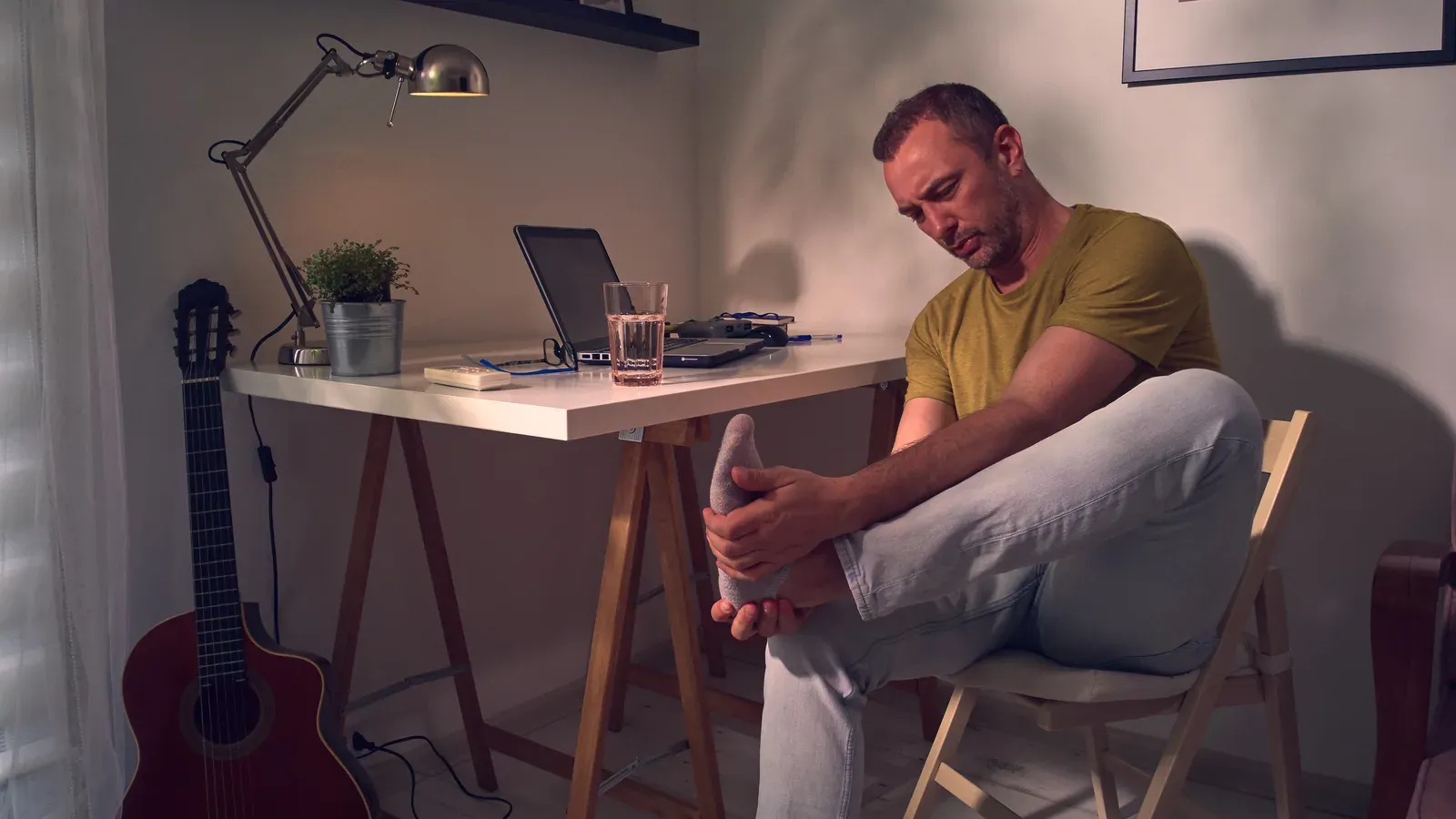
Exercise with gout is usually possible and helpful between flares, but your physician should guide the plan, and a joint in the middle of a flare gets rest and treatment rather than training. Gout is a form of arthritis that causes sudden, painful attacks, most often in the big toe, and the best training approach follows that pattern. Pacing, steady hydration and gradual weight change matter more than intensity. A free consultation helps you build a plan once your doctor has weighed in.
During a flare
A flare is a medical event. Treatment, rest and the joint’s recovery come first, and a training plan should not argue with any of them. In practice, that often means:
- Rest and protect the joint. Do not load it, jar it or squeeze it into shoes for the gym.
- Keep other parts moving if you feel well. Seated upper body work, a stationary hand-powered movement or gentle mobility for unaffected joints can fit, if your physician agrees.
- Skip impact. Walking, jogging and jumping stay off the list until the pain and swelling have settled.
- Call your physician for fever, spreading redness or a flare that is not improving.
There is no prize for training through gout pain. Missing a week is far better than prolonging an attack.
Between flares
Once a flare has calmed and your physician says activity is fine, you can return in stages: walking, low-impact cardio and light strength first, then normal training. Consistency matters more than intensity, and many people do best with moderate effort most days rather than occasional all-out sessions. Warm up well, wear supportive footwear and increase volume slowly. Sudden jumps in training load are a common reason any joint complains.
Weight loss: slow and steady
Excess body weight is associated with gout for many people, and clinicians often discuss weight loss as part of care. They also commonly caution against crash dieting, because very rapid weight loss and fasting can be a problem for some people with gout. A sensible training plan supports gradual change through strength work, regular walking and adequate food, and leaves the dietary specifics to your physician or a registered dietitian. If your weight is a goal, an InBody scan at a free consultation can track muscle and fat trends over time instead of relying only on the scale.
Hydration habits
Staying well hydrated is part of general exercise advice, and it comes up often in gout conversations. Sip water through the day, and drink before, during and after training, especially on warm days. Your physician may have specific advice about fluids, particularly if you have kidney or heart conditions, so ask rather than assuming.
Questions to ask your physician first
- Is exercise appropriate between flares, and how soon after one can I resume?
- Which activities should I avoid for the affected joint?
- Do my medications affect exercise, hydration or recovery?
- How quickly is it reasonable to lose weight?
- What symptoms mean I should seek urgent care?
What a coach adds
A coach can build a program around the joint that tends to flare, adjust footwear and impact, and keep you consistent on the calm weeks. A coach cannot diagnose a flare, manage medication or give dietary prescriptions. At FlexWerk in Carmel City Center, private rooms and equipment that can be configured for seated work make it easy to train around a sore foot, and each coach sets their own terms. For broader joint-aware coaching, see the arthritis coaching guide, and for metabolic health topics, the metabolic syndrome page. This page is general information, not medical advice.
Related questions
Can exercise trigger a gout attack?
Some people report that very intense effort, dehydration or sudden changes in routine can precede a flare, although triggers vary. Ask your physician what to watch for in your own case and keep your training steady and well hydrated.
Should I train the other joints during a flare?
Often yes, if you feel well enough and your physician agrees, since a flare in one foot does not mean the rest of you must stop. Avoid anything that loads or jars the painful joint.
Do I need to give up lifting if I have gout?
Usually not. Many people with gout lift and exercise regularly between flares. Your physician can tell you whether your medications, kidney health or other conditions change anything.