
Exercise for Ankylosing Spondylitis: Mobility and Strength
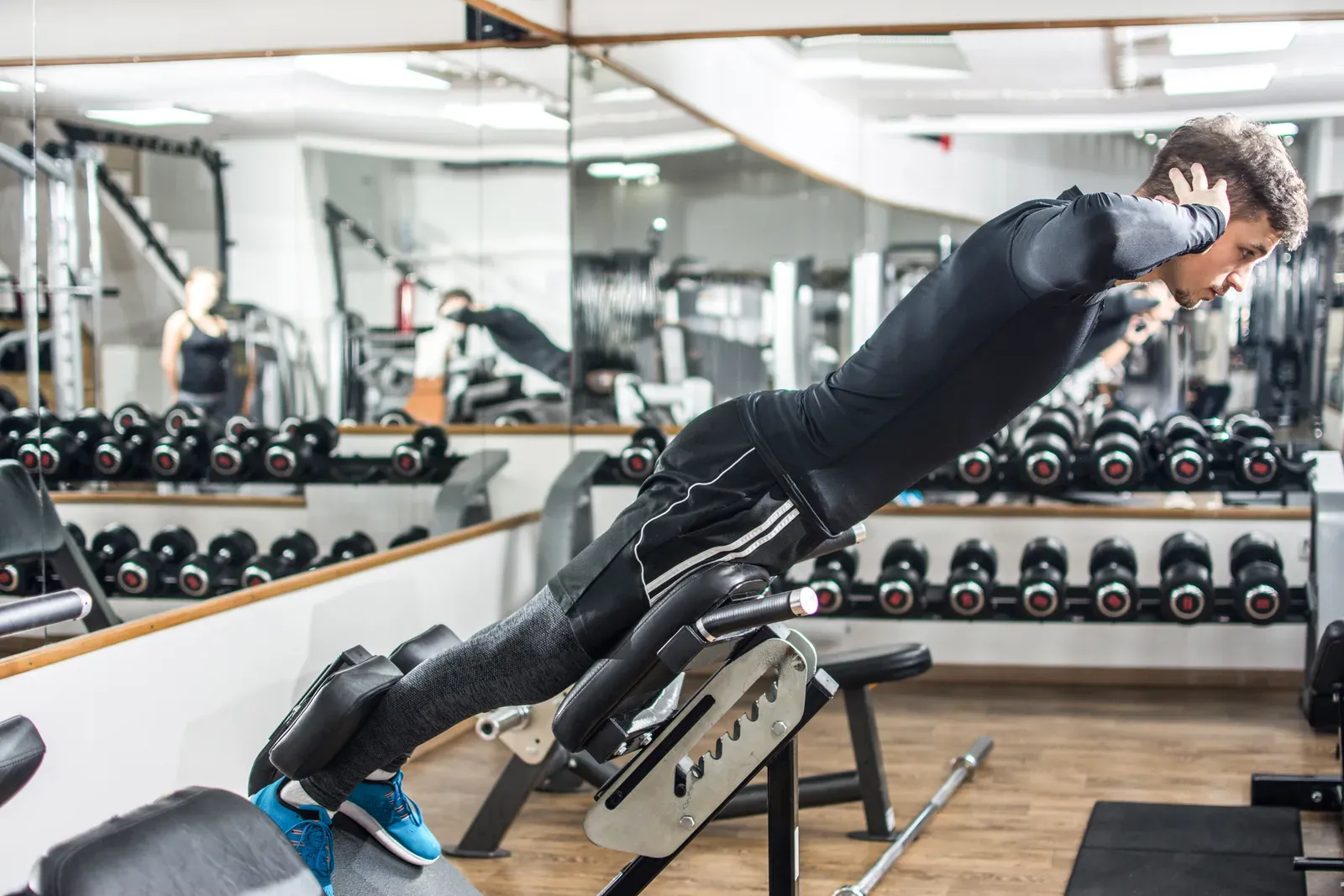
Exercise for ankylosing spondylitis centers on daily mobility, posture, chest expansion and strength, and it should be planned with your rheumatologist, who manages the condition and knows how active it is right now. The condition causes inflammation in the spine and nearby joints, so movement is a standard part of living well with it, but the dose changes with flares. A free consultation can help you turn your clinician’s advice into a routine that fits your week.
Why movement is central
Stiffness tends to be worst after rest, especially in the morning, and moving often eases it. Over time, keeping the spine and ribs mobile and the supporting muscles strong helps with posture and daily function. That is why many clinicians treat regular exercise as part of the plan alongside medical treatment, not as an optional extra. How hard and how often is a question for your care team, who can see your history and current disease activity.
The four pillars of a routine
- Mobility. Gentle spinal and hip movements such as cat-cow, thoracic rotations and hip stretches, done daily and slowly.
- Posture and extension. Exercises that encourage standing tall, such as wall angels, prone extensions if comfortable and upper back strengthening.
- Breathing and chest expansion. Deep, slow breaths with the arms moving overhead, if cleared, to keep the rib cage moving.
- Strength. Rows, hip bridges, leg presses and core work in controlled ranges to support the spine and joints.
Short daily sessions of ten to fifteen minutes usually beat one long weekly session. Add strength two or three days a week if your clinician agrees.
Working with flare days
During a flare, pain and stiffness rise, and the plan shrinks, not disappears. A common structure is a “calm” menu of gentle mobility, easy walking and breathing work, with strength paused or lightened. The aim is to keep joints moving without provoking more pain. If pain wakes you at night, spreads or comes with fever, eye pain or new weakness, contact your physician. A rheumatoid arthritis page, flares and training, describes a similar approach for a different condition, and the details differ.
Exercises to approach with care
Your own clinician decides what is off limits, but themes commonly raised include:
- High-impact activity and sudden jolts. Jumping or heavy collision sports can be discouraged for some people.
- Heavy, jerky lifts. Smooth, controlled movement is safer than momentum.
- Long periods in a slumped position. Break up sitting and alternate positions.
- Deep forced stretching. Stretch gently, without pushing into pain.
If any movement increases pain that lingers beyond a day, scale back and report it.
Questions to ask your rheumatologist first
- Which exercises are recommended for me, and which should I avoid?
- How should I adjust on flare days?
- Is a physical therapist referral appropriate for posture and breathing work?
- Are there limits on lifting or impact?
- What symptoms should I report right away?
What a coach does and does not do
A coach can structure your week, cue posture, keep the loads controlled and track how you respond. A coach does not treat inflammation, judge disease activity or interpret imaging. At FlexWerk in Carmel City Center, a private room allows for floor mobility and breathing work without an audience, and each coach sets their own terms for scheduling. For the lower back more broadly, see spinal stenosis training, which uses different positions, and the lupus page for another condition with flares. This page is general information, not medical advice.
Related questions
Is it better to rest or to move when my back is stiff?
People with this condition are commonly advised that movement helps stiffness more than rest does, but the right dose varies. Ask your rheumatologist what to do on flare days, and follow their advice over any general rule.
Can I lift weights with ankylosing spondylitis?
Many people do, with a clinician's approval. Controlled loads, good posture and attention to spinal position are typical themes, while high-impact work and sudden jerking movements may be discouraged depending on your case.
Why does breathing come up in a spine condition?
The joints where the ribs meet the spine can stiffen, which may limit chest expansion. Clinicians often include breathing and chest mobility in exercise plans, and a coach can reinforce the drills they prescribe.