
Exercise After Pneumonia Recovery: When and How to Restart
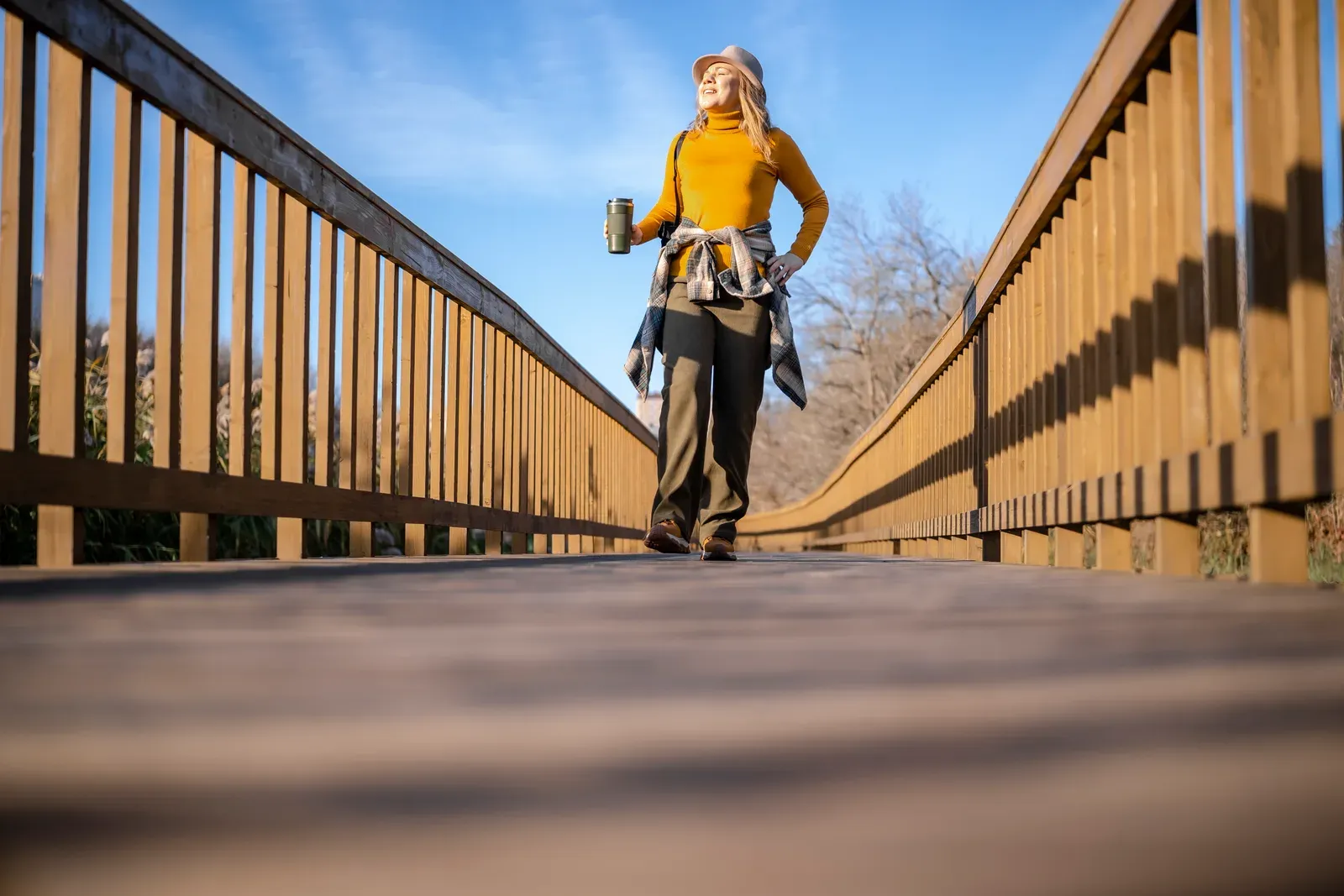
Restart exercise after pneumonia only after your doctor says the infection has cleared, and then climb back slowly: easy walking first, light strength next, anything that makes you breathe hard last. Your physician owns the question of whether you are ready, since fatigue and a cough can hang around after the infection does. The ladder below describes how a return usually works for older adults and everyone else, and a free consultation is the place to turn it into a schedule once you have clearance.
Why recovery takes longer than the infection
Pneumonia inflames the lungs and often keeps people in bed, so two things need rebuilding at once: breathing comfort and general stamina. Muscles weaken during days of rest, and energy can stay low for weeks. Older adults frequently feel this most, because strength reserves were smaller to begin with. The practical lesson is that “feeling better” and “ready to train” are different markers.
The return ladder, rung by rung
Move to the next rung only after two or three comfortable days on the current one. If you slip, step back one rung without drama.
- Daily life. Washing up without a rest, cooking a meal, climbing the stairs once. This is your starting point, not a warm-up for it.
- Short, easy walks. Five to ten minutes at a pace where full sentences are easy. Add a few minutes every few days.
- Breathing practice. Slow, relaxed breaths while seated, if your clinician approves. Nothing forced.
- Light strength. Sit-to-stand from a chair, wall push-ups, light bands, two short sets with long rests.
- Longer walking or gentle cycling. Build duration before pace.
- Normal training. Heavier loads and harder cardio return last, and only when your doctor agrees.
How to read your own signals
Use the next morning as your report card. If you wake up more tired than usual, short of breath or coughing more, the previous day was too much. Stop any session for chest pain, dizziness, fainting, a racing heart that does not settle or breathing that gets difficult, and contact your physician the same day. Cold air and poor air quality can irritate recovering lungs, so on Indiana Air Quality Action Days the state’s advice to limit outdoor exertion is a good reason to walk indoors.
Questions to ask your physician first
- Is my chest clear, and do I need a follow-up exam or imaging before exercising?
- What is a safe starting activity and duration this week?
- Which warning signs mean I should pause training and phone your office?
- Do any of my medications or other conditions change my limits?
- When should I expect my energy to return, and when should I call if it does not?
Where a coach helps, and where one does not
A coach keeps the ladder honest. In a private room at FlexWerk in Carmel City Center, nobody is watching your breathing but the person guiding you, rests can run as long as needed, and sessions can shrink to fifteen minutes on a rough day. Each coach sets their own terms, so ask about shorter appointments and flexible rescheduling. What a coach will not do is diagnose a cough, read your lungs or promise a timeline. The related sick-day guide covers the general rule of staying out of training while symptoms are active, and COPD training addresses long-term breathing conditions, which have their own rules.
When your doctor gives the go-ahead, bring any written instructions to your first meeting and start one rung below where you think you belong. This page is general information, not medical advice.
Related questions
How do I know I am ready to start moving again?
Your physician decides that, usually at a follow-up visit. Signs they commonly look for include no fever, improving breathing and the ability to get through ordinary days without needing to lie down, but your own results and history set the rules.
Is a lingering cough a reason to stay home?
It depends on the cause and on what else is going on, which is why the question belongs with your doctor. A cough that is fading is different from one that is worsening, and any new chest pain or breathlessness calls for a medical check, not a workout.
Can a coach help me come back after pneumonia?
Once you are cleared, yes. A coach can build short, gentle sessions, track how you respond the next day and adjust the pace. A coach cannot judge your lungs or tell you the illness is over.