
Exercise After a Hip Fracture: Getting Strong Again
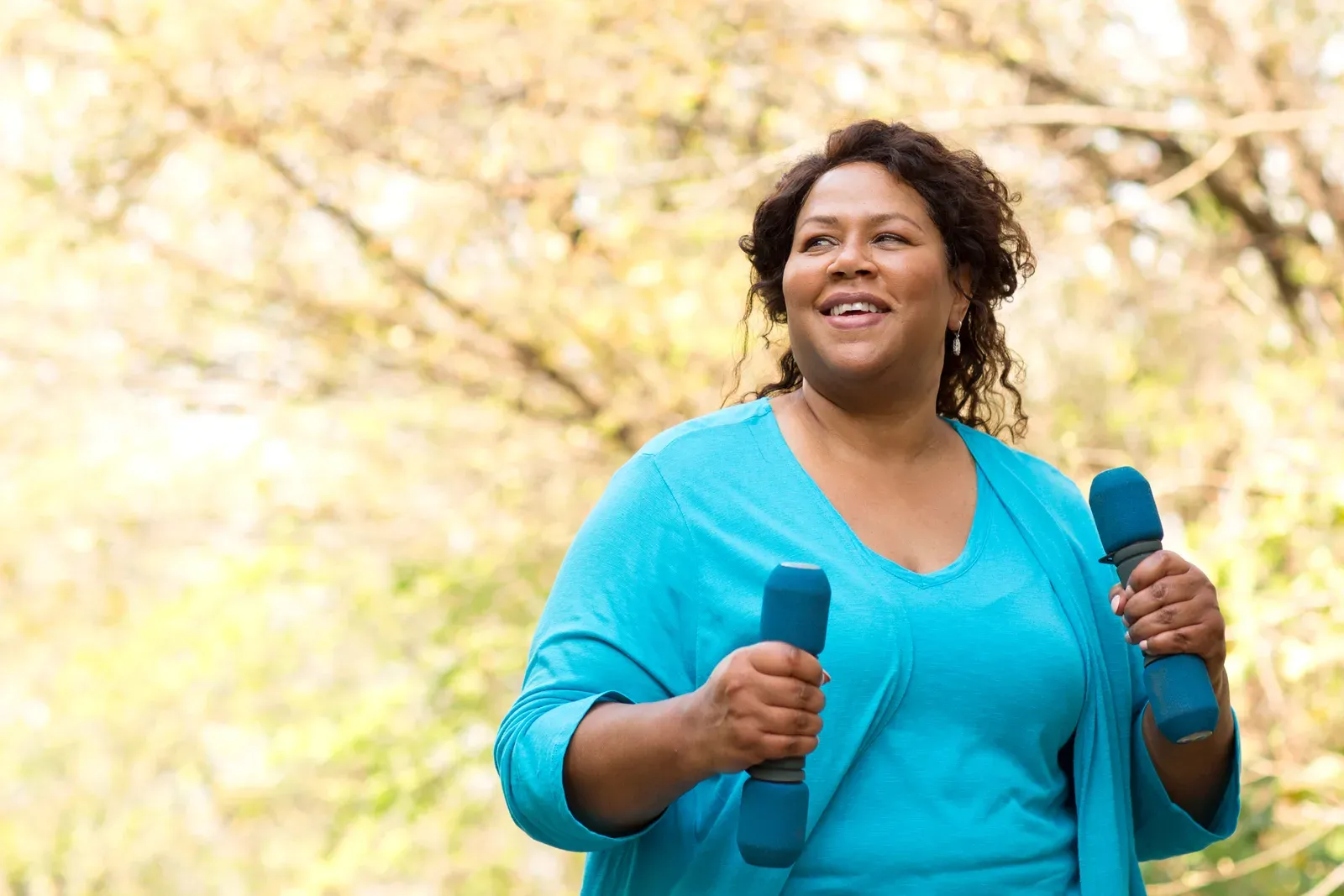
After a hip fracture, begin training only when your surgeon and physical therapist clear it, and then work on leg strength, balance and confidence together, because each one supports the others. Rehab is where you relearn to walk; training afterward keeps the progress going and lowers the odds of feeling fragile in your own home. A free consultation is a calm place to plan that next chapter.
Fracture is not replacement
A hip fracture is an injury; a replacement is an elective operation, usually planned. The two can overlap, since some fractures are treated with a replacement, but others are repaired with hardware, and each carries different instructions. The page on training after hip replacement covers the elective route. Here the focus is what a break asks of you.
Questions to ask your surgeon or physical therapist first:
- How was my fracture treated, and what movements are restricted?
- How much weight may I bear, and for how long?
- Which exercises should I keep doing from rehab?
- Should my bone health be checked, and does that change my training?
- What signs of a problem should make me call right away?
Strength is the foundation
After a fracture, muscles around the hip and thigh often weaken, and weakness is a main reason for further falls. A coach can help rebuild with simple, supported movements:
- Sit-to-stand from a firm chair, then a slightly lower one.
- Supported hip and leg raises, as cleared.
- Short, steady walks with good posture.
- Light pulling and pressing so the upper body stays active.
Progress is gradual and measured by how easily you perform daily tasks, such as getting out of the car or climbing steps.
Balance and the fear of falling
Fear can quietly shrink a life, which in turn weakens balance and makes another fall more likely. Practice should be safe enough to feel positive: a wall or rail within reach, a coach nearby, and small steps that prove your legs can hold you.
The deeper psychology is discussed in regaining confidence after a fall, a good companion if fear is the main obstacle.
Why bone health belongs in the conversation
A fracture sometimes points to lower bone density. Whether yours does is a medical question for your physician, who may suggest testing or treatment. Training can support bone and muscle, but a coach does not diagnose or treat bone conditions. Read strength training with osteopenia for what loaded exercise commonly looks like when bone density is a concern.
A realistic first month
Early sessions are short and quiet: a check-in, a gentle warm-up, a few supported chair stands, balance holds with a rail and a short walk. Expect to be tired afterward, and plan to rest. Add repetitions before adding difficulty, and add difficulty before adding speed.
What a coach does and does not do
A good coach follows your clearance, keeps sessions at a pace you can recover from, watches balance and fatigue, and stops for new pain. They do not set restrictions, interpret scans or manage medication. If they overreach, find another coach.
At FlexWerk, coaches work in private suites with space to rest and a quiet setting that suits people who want to move without a crowd, and each is an independent professional who sets their own terms. Bring your care team’s notes to the consultation, and let the pace be yours.
Related questions
Is a hip fracture the same as a hip replacement for training?
Not necessarily. Some fractures are repaired with hardware and some with a replacement, and the restrictions differ. Ask your surgeon which applies to you and what that means for exercise.
Will I be afraid of falling again?
Many people are, and it is a normal response. Supervised, gradual practice builds the strength and the proof of stability that rebuild confidence.
Should I ask about bone health?
Yes. After a fracture it is sensible to ask your physician whether your bone health should be evaluated, and whether any limits apply to loaded exercise.