
Does a Personal Trainer Need to Be in Shape Themselves?
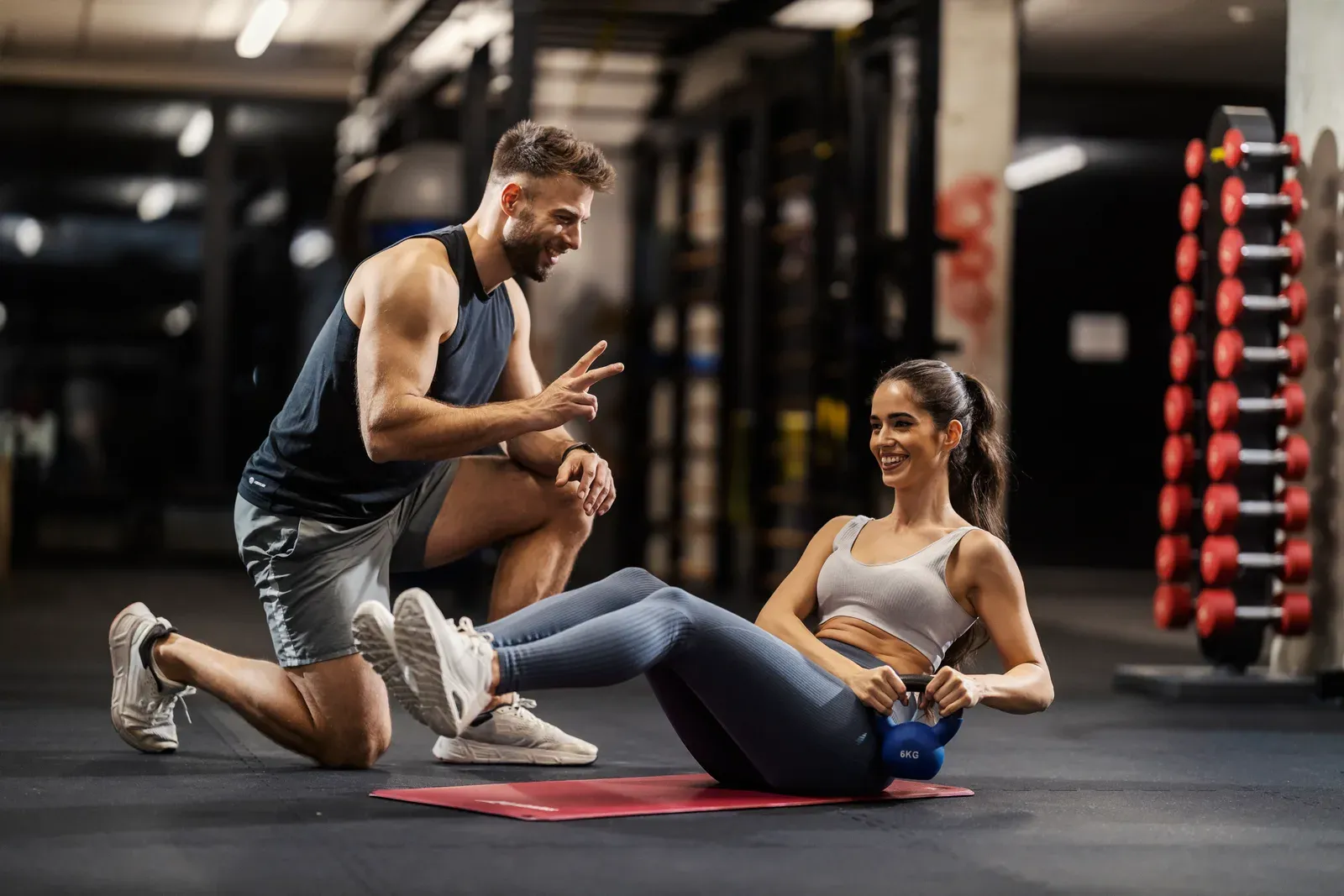
No, a personal trainer does not need an impressive physique to coach you well; what you want is evidence of skill, process and honesty, none of which show up in a mirror. It is a fair question, because appearance is the easiest thing to see. It is also the least reliable, which is worth knowing before it shapes a decision that costs real money. If appearance worries you, a free consultation is a private way to meet a coach first.
Why a physique is a poor proxy for skill
A body reflects genetics, age, sport history, injuries, sleep, stress and years of training. A coach can be extremely good at teaching a squat and still carry a frame built for something else.
The reverse is true too. A striking physique can come from a lifestyle that suits one person and no one else, and from knowledge that never turned into teaching. Being able to do something and being able to help another person do it are separate skills.
What actually predicts a good trainer
Look for these instead:
- A system. They can explain the first ninety days of your plan, with a baseline and re-checks.
- Clear teaching. They explain a movement more than one way until it clicks.
- Listening. They ask about your history, then adjust.
- Honesty. They tell you what a goal takes and what they do not know.
- Paperwork. Current certification, CPR and insurance, covered in how paper and experience weigh against each other.
Any trainer can be assessed on this list in a single conversation.
Where appearance does carry a little information
There is a fair version of the question: does the trainer follow their own advice? A coach who trains regularly, sleeps, eats sensibly and talks about their own setbacks is showing consistency. That is a habit story, and it can sit inside any body.
Be wary in the other direction, too. If a trainer sells a look as the only definition of success, or treats leanness as moral worth, you may not enjoy the coaching. Many people find a weight-neutral approach far more sustainable.
When it feels intimidating
Some adults avoid coaching because they expect to be judged by someone in peak shape. Three things help:
- Ask for a short call or a consultation before any session.
- Tell the coach what worries you; their response is your data.
- Choose a private setting where nobody else is watching you learn.
A good coach has seen every starting point and treats yours as ordinary.
A quick self-check before booking
Ask yourself what you would regret: hiring someone impressive who never listens, or someone ordinary who changes your routine. Most people pick the second answer once they say it aloud. Use that answer as your filter when you read bios and book a first session.
Choosing with confidence
Pick the person who makes you feel capable after the first hour, not the one who looks the part. If it is not working, changing coaches is normal and easy, as how to switch personal trainers explains. For a full interview list, see how to choose a personal trainer.
At FlexWerk, coaches work in private suites and set their own styles. A free consultation lets you meet one with no audience, and a screening form such as the PAR-Q keeps the first conversation about you rather than about anyone’s biceps.
Related questions
Should I worry if my trainer is not lean or muscular?
Not by itself. Body type reflects genetics, injury history, sport background and life stage as much as training. Judge the coach by how well they teach, listen and explain your program.
Does it matter if my trainer has never struggled with weight?
It can help if they have, but empathy is a skill rather than a biography. Ask how they work with beginners and with people who have restarted many times.
Is it a red flag if a trainer has a very extreme physique?
Only if their advice leans toward extreme habits for everyone. A good coach tailors the plan to your life rather than expecting you to copy theirs.