
Are Biological Age Tests Worth It?
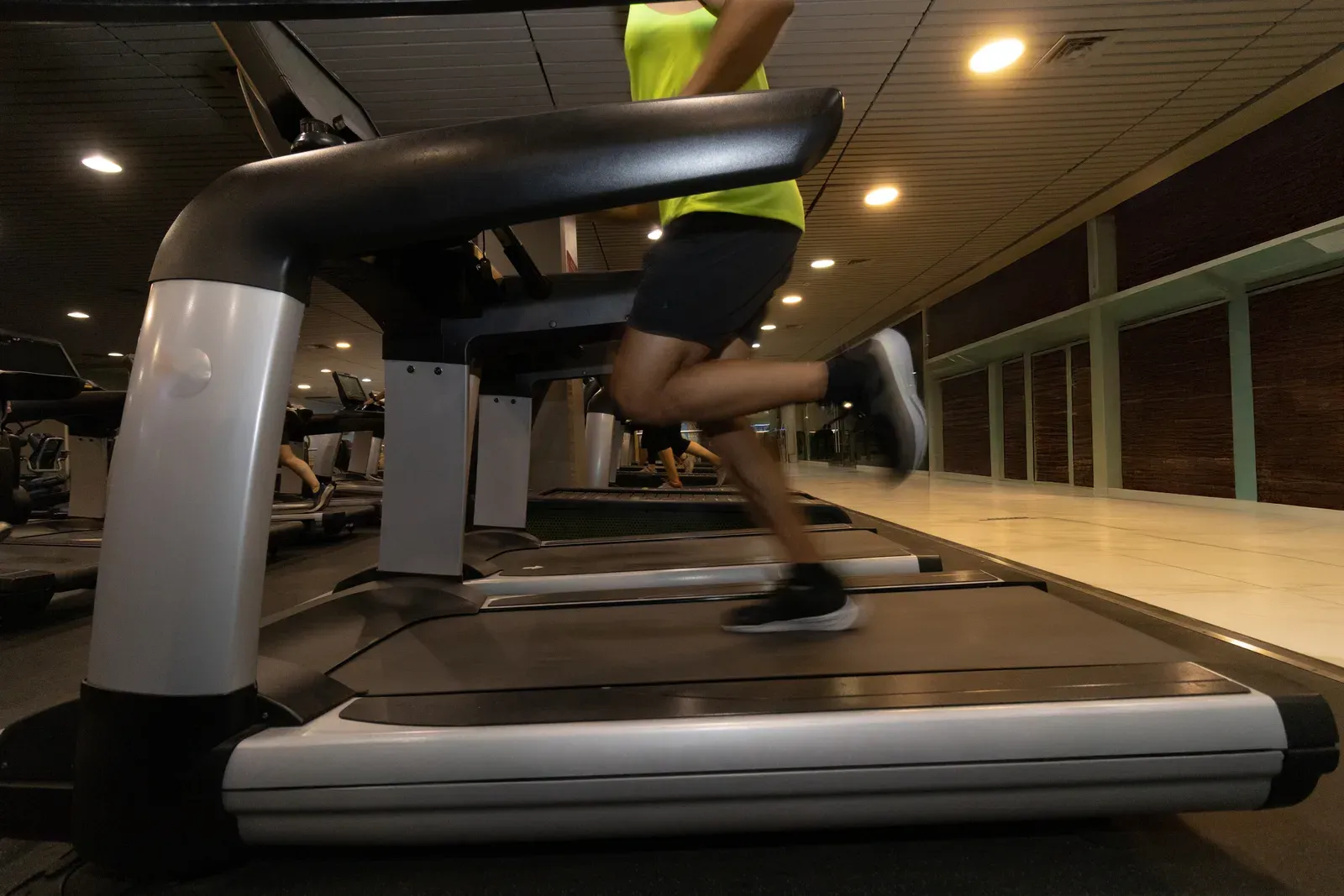
Biological age tests, the kind that analyze a blood or saliva sample and return a number meant to represent how old your cells behave, have become a popular add on to the standard physical. They are interesting, occasionally useful for tracking a specific trend over years, and a poor substitute for the functional tests that actually predict how well you move, recover, and stay independent, grip strength, balance, and a real VO2 max reading tell a coach more about your training priorities than a cellular age number ever will. A free consultation at FlexWerk in Carmel starts with the functional side, not a lab kit.
What a biological age test actually measures
Most biological age tests analyze patterns in a blood or saliva sample, certain chemical markers on your DNA, and compare them against population data to estimate a cellular age distinct from your calendar age. The science behind the underlying markers is real and actively studied. What is less settled is how much a single result, taken once, should change what an individual person actually does differently the next morning, since the test measures a pattern rather than a specific fixable cause.
Why the number rarely changes a coach’s actual plan
Here is the practical problem: whether your biological age test comes back five years younger or five years older than your calendar age, the training prescription that best serves long term health is nearly identical, progressive resistance work, regular cardio, adequate protein, and consistent sleep. A concerning result does not point a coach toward a different exercise, and a flattering result does not excuse skipping any of them. Compare that to a low grip strength score or a weak single leg balance hold, both of which point directly at a specific, trainable weakness a coach can address the same week.
What functional tests capture that a lab result does not
Functional tests measure capacity you can actually use: how much you can carry, how long you can balance on one leg, how efficiently your heart and lungs move oxygen during real effort. Those numbers predict falls, independence, and day to day capability far more directly than a cellular marker does, and grip strength in particular shows up again and again in longevity research as one of the simplest, strongest signals available. A proper fitness age built from real tests rather than a wearable’s guess covers the same functional territory from a slightly different angle.
When a biological age number is genuinely worth tracking
The honest use case is trend tracking over years, not a single snapshot: someone making major lifestyle changes, quitting a habit, starting structured training, overhauling sleep, might reasonably re-test every year or two to see whether the trend is moving favorably alongside the more immediate functional numbers. Treated that way, it becomes a slow moving confirmation of work already visible in grip strength, VO2 max, and how you actually feel, rather than a verdict to chase on its own. If a physician ordered one as part of a broader workup, what to do with the rest of an executive physical’s numbers covers how those results tend to translate into training priorities.
Whatever a lab test says, a free consultation starts with the numbers that change this week’s training: grip, balance, and a real cardio baseline.
Related questions
Should I get a biological age test?
It can be an interesting thing to track every year or two alongside major lifestyle changes. As a single snapshot to make decisions from, it adds little that grip strength, balance, and a real VO2 max test do not already show.
Does a favorable biological age result mean I can train less?
No. The training prescription that supports long term health, resistance work, regular cardio, adequate protein, sleep, stays the same regardless of what a biological age number says.
What should I actually test if I care about aging well?
Grip strength, a single leg balance hold, and a properly measured VO2 max give a coach specific, trainable targets. A biological age panel does not point at any one of those directly.