
Best Exercise for Anxiety: What the Evidence Favors
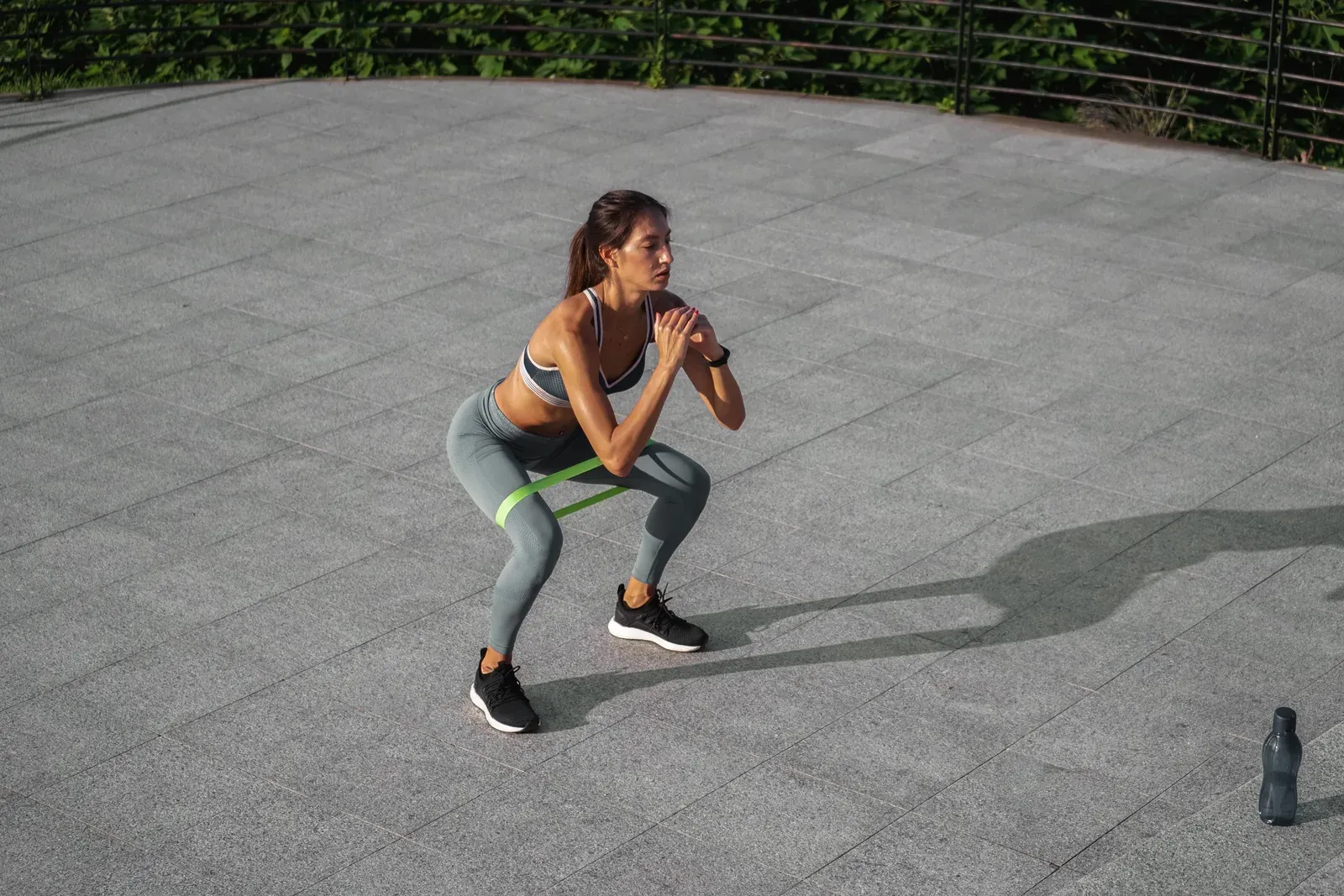
The best exercise for anxiety is the form you will actually repeat, because research on resistance training, aerobic exercise and gentle mind-body practice links all three with lower anxiety symptoms and none has clearly won. Check with your physician or mental health clinician before changing your routine, especially if you take medication or live with a heart or breathing condition. A coach can shape the movement, and a free consultation is a low-pressure way to talk it through, while your care team owns the diagnosis and treatment.
Three types, compared side by side
| Type | What it feels like | Where it tends to help | Watch for |
|---|---|---|---|
| Resistance training | Slow, structured, countable sets | A sense of control and capability | Skipping rest days |
| Steady aerobic work | Rhythmic walking, cycling, rowing | A calm, repetitive pace | Pushing too hard too soon |
| Mind-body practice | Breath-led, slower flows | Body awareness and downshifting | Treating it as the only tool |
None of these is a treatment. They are habits that research associates with feeling steadier, which is a different claim and a more honest one. For the mood-side research on lifting specifically, the strength training and mental health guide goes deeper.
If this describes you, try that
- You feel wired and restless: start with easy aerobic work you can talk through, then add lifting once your baseline settles.
- You feel powerless or stuck: begin with simple lifts that have clear numbers, because adding weight is visible proof of progress.
- You overthink during workouts: pick formats with something to count or follow, such as intervals, sets or a guided flow.
- Crowds raise your tension: train somewhere quiet. A private setting removes the audience, which for many people is the real obstacle.
How much per week is realistic
Federal physical activity guidance for adults points to about 150 minutes of moderate aerobic activity a week plus muscle-strengthening on two days. That is a destination, not a starting line. A workable first month looks more like two 25 minute sessions and a few short walks, with the target raised only when the routine feels boring in a good way.
Consistency does more than intensity here. Hard efforts that leave you wiped out tend to break the habit, while moderate sessions on fixed days build one. Put the sessions in your calendar the way you would a therapy appointment.
Questions to ask your physician first
- Is there any reason my heart rate or blood pressure should stay under a limit?
- Does any medication I take change how I respond to heat, exertion or standing up quickly?
- Should my clinician and my coach talk, and what may I share with each?
- What symptoms during or after exercise mean I should stop and call you?
What a coach does, and does not do
A coach builds the plan, teaches the lifts, watches your pacing and keeps the sessions predictable. A coach does not diagnose, counsel or advise on medication. If you tell a coach something that sounds clinical, a good one will point you back to your care team rather than improvise.
At FlexWerk in Carmel, each coach sets their own approach, and the consultation is the place to say plainly what you want help with and what you want left alone. Sessions happen in a private suite, so nobody is watching you learn, and an InBody scan is part of the free visit if you want a baseline that is not about weight alone.
Related questions
Is cardio or lifting better for anxiety?
Reviews of the research do not crown a winner. Aerobic work and lifting both show links with lower anxiety symptoms, so pick the one that feels manageable enough to repeat. If lifting makes you feel capable and cardio makes you feel jittery, lift.
Can exercise make anxiety feel worse at first?
A racing heart and fast breathing from hard effort can feel a lot like an anxious spell, which unsettles some people early on. Starting easier, building gradually and learning what those sensations are usually settles it. Tell your clinician if symptoms climb.
Should I stop my medication if exercise helps?
Never on your own. Any change to medication or therapy belongs to the clinician who prescribed it, and exercise is best treated as a partner to that plan.