
When Can Adults Exercise After a Concussion?
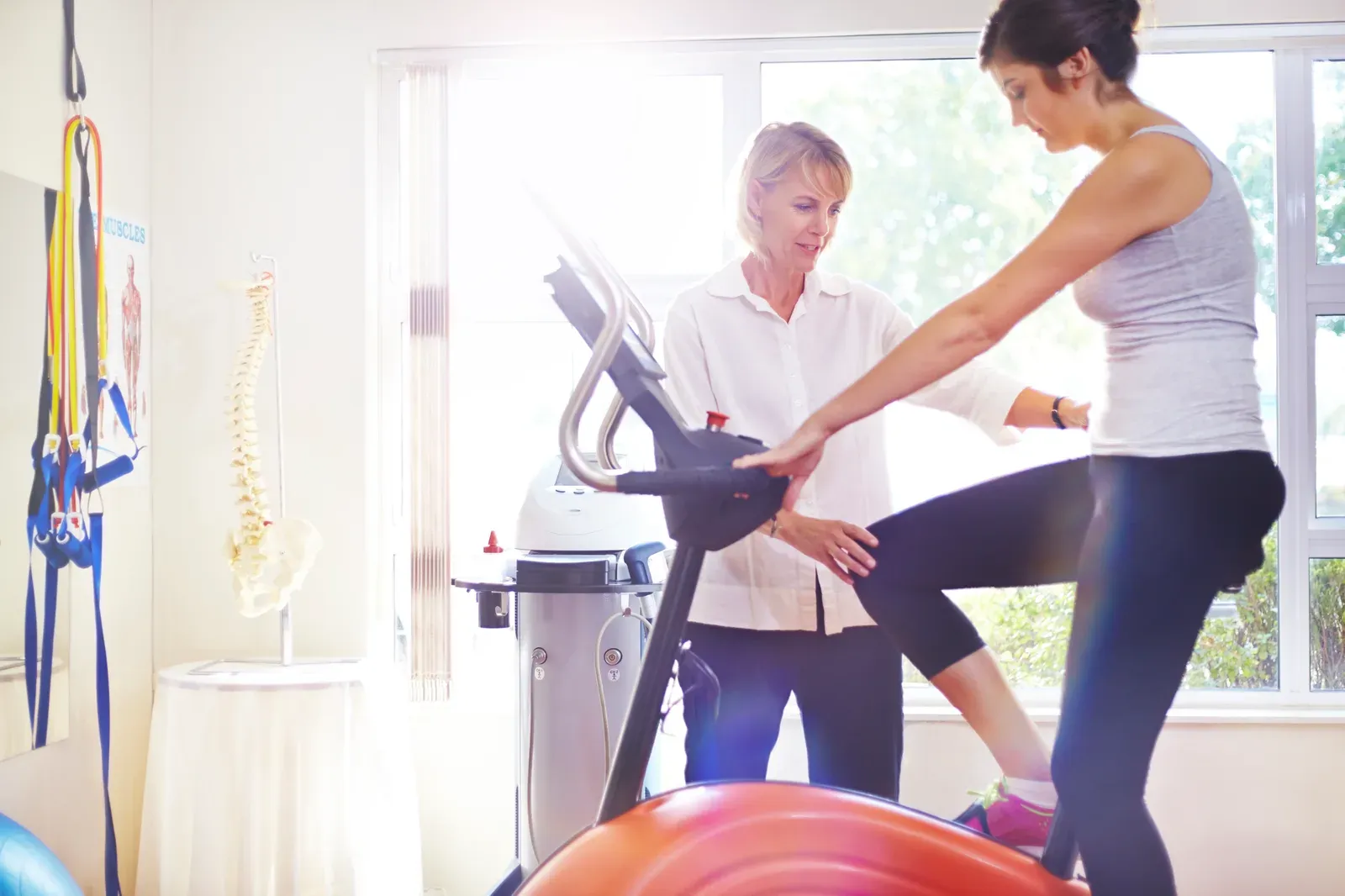
Adults can exercise again after a concussion once a physician has examined the head injury and approved a gradual return, with the pace set by symptoms: light activity first, harder work only when each step feels symptom-free. If you hit your head in a fall or a crash and have not been evaluated, get that done first. A doctor can also tell you which warning signs call for urgent care. Once you have clearance, a free consultation is the place to arrange a calm, supervised restart.
Why symptoms, not the calendar, set the pace
Recovery from a concussion varies widely. Some adults feel back to normal within days or weeks, others take longer, and age, previous head injuries, sleep and stress all play a role. A fixed schedule would be arbitrary, so clinicians generally use a staged approach in which each step must be tolerated before the next one begins. The key idea is that exertion should not provoke a clear return or worsening of symptoms. Mild, brief symptoms that settle quickly are often treated differently from symptoms that build, but that call belongs to your clinician.
A staged return, in adult terms
The athlete version of this ladder is widely published. For an adult who was hurt in a fall or car accident, a plain version looks like this:
- Relative rest, briefly. Avoid activity that clearly worsens symptoms, including screens and reading if they do, but do not stay isolated for long.
- Light daily activity. Household tasks and easy walking at a comfortable pace.
- Light aerobic work. Longer walks or a stationary bike with no strain, while symptoms stay quiet.
- Simple strength. Bodyweight and light resistance with controlled breathing and no head-down positions.
- Heavier lifting and complex movement. Heavier loads, balance challenges and anything with a fall or impact risk.
- Full return. Normal training with physician approval.
If symptoms return at any step, back up one step and let them settle. Report anything unusual to your clinician instead of waiting it out.
Gym settings to be careful with
Bright lights, loud music, crowded rooms and fast movement can aggravate symptoms during recovery. Holding your breath under load raises pressure in the head, so breathing steadily matters. Head-down positions, jumping and activities that risk a second blow stay off the list until you are cleared. At FlexWerk in Carmel City Center, the lighting and music in a private suite are controllable, and you can shorten or end a session without explaining yourself, which helps if sensory triggers are part of your recovery. Each coach sets their own terms, so ask about trimming sessions to fifteen or twenty minutes.
Questions to ask your physician first
- Have I been fully evaluated, and do I need any further tests?
- What activities should I avoid for now?
- Which symptoms mean I should stop and call you, and which mean urgent care?
- When can I start light aerobic work and strength training?
- Do my sleep, work and driving need adjustments?
- Is a referral to a therapist for balance or neck symptoms appropriate?
What a coach does, and where the boundary sits
A coach keeps the steps small, writes down how you felt during and after each session, and respects your stop rules. A coach does not judge whether you are recovered, test your brain function or make return calls. If dizziness is a major part of your symptoms, the vertigo return guide explains how balance and confidence get rebuilt after the clinical work, and the migraine page discusses headache-triggered training adjustments. For falls in particular, see regaining confidence after a fall. This page is general information, not medical advice.
Related questions
Do I need to rest completely in a dark room?
Current clinical guidance generally favors a short period of relative rest followed by gradual return, not extended isolation. What is right for you depends on your symptoms and your physician's evaluation, so ask for specific instructions.
Which symptoms mean I should stop exercising?
Worsening headache, nausea, dizziness, blurry vision, confusion, unusual sleepiness or any symptom that grows with effort. Seek urgent medical care for repeated vomiting, severe headache, weakness, seizures or worsening confusion.
Can I lift weights soon after a concussion?
Usually not right away. Light walking is typically first, and heavy lifting is among the last steps, since straining and balance risks can bring symptoms back. Wait for your physician's clearance.