
Are 30 or 60 Minute Training Sessions Better?
For most people, 60 minutes is the better default for a full coached strength session, while 30 minute sessions earn their place when they are frequent, focused, and zero of the half hour is wasted. The honest framing: this is not a quality question but a dosage-and-logistics question. Sixty minutes holds a complete session; thirty holds a concentrated one; and the right answer follows from your schedule, your goals, and how many sessions a week you can sustain.
What each length actually holds
A 60 minute session has room for the whole job: a real warm-up, four to six movements including the big compound lifts, teaching time when technique needs work, and a finisher or mobility block, with breathing room for the conversation that makes coaching coaching. A 30 minute session holds a compressed warm-up and two or three movements trained hard, which is plenty of stimulus but no slack; there is no room for wandering, equipment waits, or a slow start. Think of 60 as a full meal and 30 as a well-built plate: both nourish, but only one has courses. Neither is a lesser product; they are different dosing schedules for the same medicine. Which format fits you, and which formats your coach even offers, since every trainer sets their own rates and session structures, is exactly what gets settled at a free consultation, where your goals and calendar meet a professional opinion.
When 30 minutes wins
Thirty wins when frequency and friction are your real constraints, not volume:
- The lunch hour exists and the evening does not. A half-hour session fits inside a workday with time to spare, which is the entire logic of lunch-hour personal training, and a realistic option for the Meridian corridor crowd, Indiana’s second-largest concentration of office workers, most of whom are a short drive from Carmel City Center.
- You can come more often. Three focused 30s spread across the week commonly beat one heroic 60, because training frequency drives both adaptation and habit. More touchpoints also mean more coaching corrections per month.
- You are starting out or returning. Beginners often get everything they can absorb, physically and technically, inside 30 minutes. Shorter sessions also lower the intimidation cost of starting.
- Budget is the constraint. Half-hour sessions are commonly priced below hourly ones, which can keep coaching frequency high on a fixed monthly number.
When 60 minutes wins
Sixty wins whenever the session has to carry more than stimulus. If you are learning or refining the big lifts, teaching time is the product, and teaching does not compress well. If you can only train with your coach once or twice a week, each session must hold a fuller program: more movements, more volume, warm-up done properly. Strength-focused blocks with heavier loads need longer rests by physiology, not preference, and a 30 minute session spent mostly resting between honest heavy sets stops making sense. And if your goals span strength plus conditioning plus mobility, the hour is simply the container that fits them.
There is also a subtler case: people whose training doubles as their decompression. For a lot of clients, the hour is the one block of the week that belongs entirely to them, and cutting it in half saves time that they did not actually want back.
The setting quietly changes the math
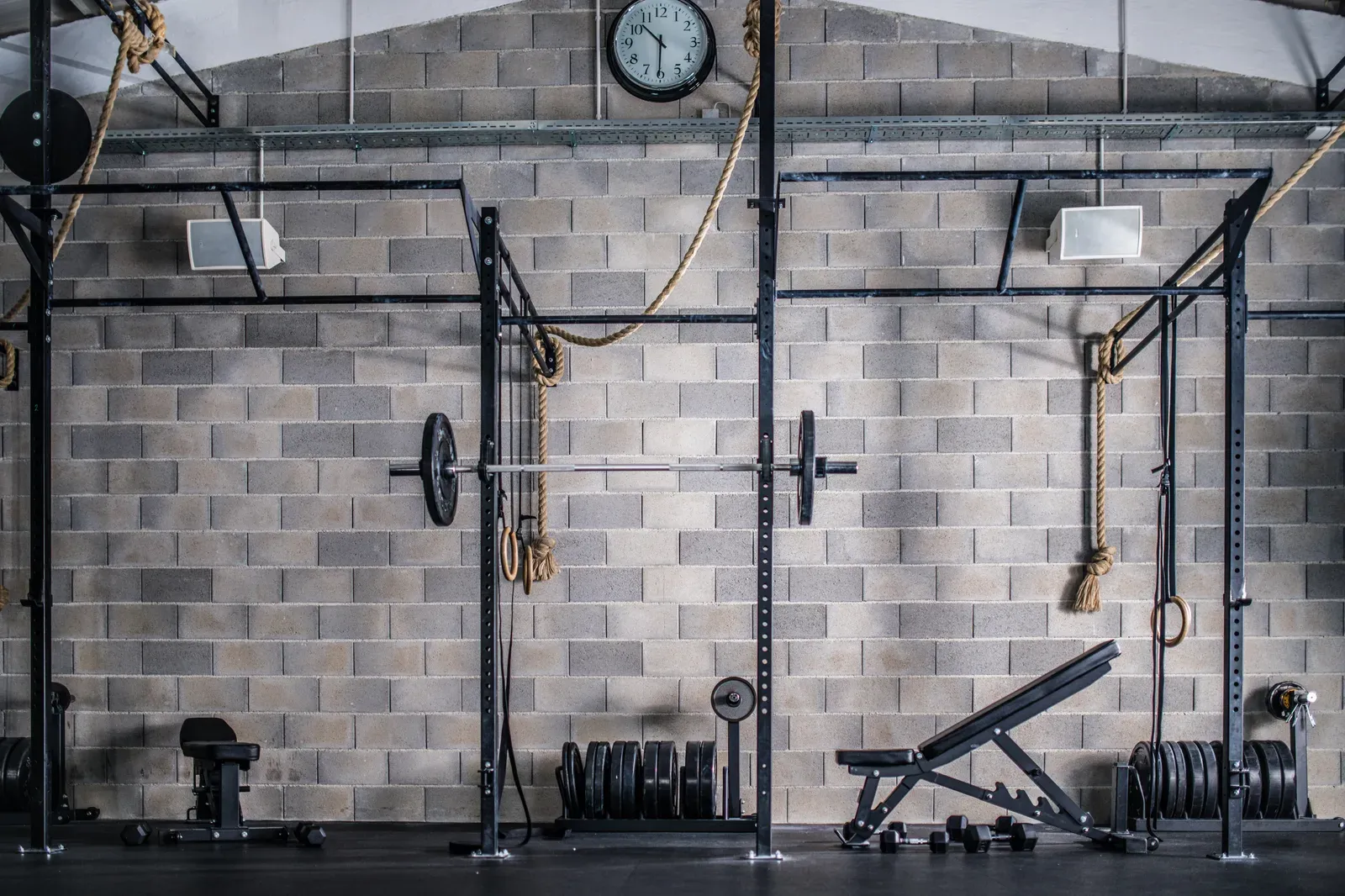
Here is the variable most comparisons skip: advertised session length and delivered training time are not the same thing. On a crowded big-box floor, a 30 minute session can shrink to 18 minutes of actual work after equipment waits, walks between stations, and the ambient chaos. In a private suite, the arithmetic flips. At FlexWerk, your coach has the FlexSpace reserved with rack, cables, and dumbbells all within arm’s reach, so a 30 minute session is 30 minutes of training, which is precisely what makes the short format viable rather than theoretical. Factor in total time cost too: with the average local commute around 26 minutes, the difference between formats is often the difference between “fits before work” and “does not happen,” and the format that happens wins every comparison that matters. It is also why half-hour formats have historically been rare at big-box gyms and common in private studios: the short session only works where the room can guarantee the minutes.
How to decide
Let three questions settle it. How many times a week will you realistically come? (Once or twice: lean 60. Three or more: 30s become excellent.) What is the work right now? (Learning lifts or chasing strength: 60. Maintaining, conditioning, or building the habit: 30 does the job.) And what does your calendar defend? A 30 minute slot that survives every week beats a 60 minute slot that gets cancelled twice a month, for the same reason the workout time you keep beats the theoretically optimal one.
A note on budget, since it is usually the unspoken variable: if a fixed monthly number is the constraint, protect frequency before length. Two half-hour sessions hold a program together in a way one hour-long session cannot, because a large share of coaching’s value is the twice-weekly checkpoint, not the minutes themselves.
Plenty of clients also blend formats across a season: hour-long sessions while learning and building, half-hour sessions to hold the line through a brutal quarter or the holidays. That flexibility is a conversation, not a spreadsheet, so bring your real week to the consultation and let a coach fit the container to the life instead of the other way around.
Related questions
Can you get real results from 30 minute sessions?
Yes, when they are frequent and focused. Two or three tight half-hour strength sessions a week, with nothing wasted, drive genuine progress. What 30 minutes cannot do is hold a full program in a single weekly visit.
Is one 60 minute session better than two 30s?
For most goals, two 30s win: frequency drives adaptation, and two touchpoints keep the habit and the coaching feedback loop alive across the week. The single 60 wins when travel time makes two visits impractical.
Do trainers charge less for 30 minute sessions?
Commonly yes, per session, though not usually half the hourly rate. Every trainer sets their own rates and formats, so ask what your coach offers at the consultation.