
Audiences
Personal Training on Weight Loss Medication: What It Looks Like
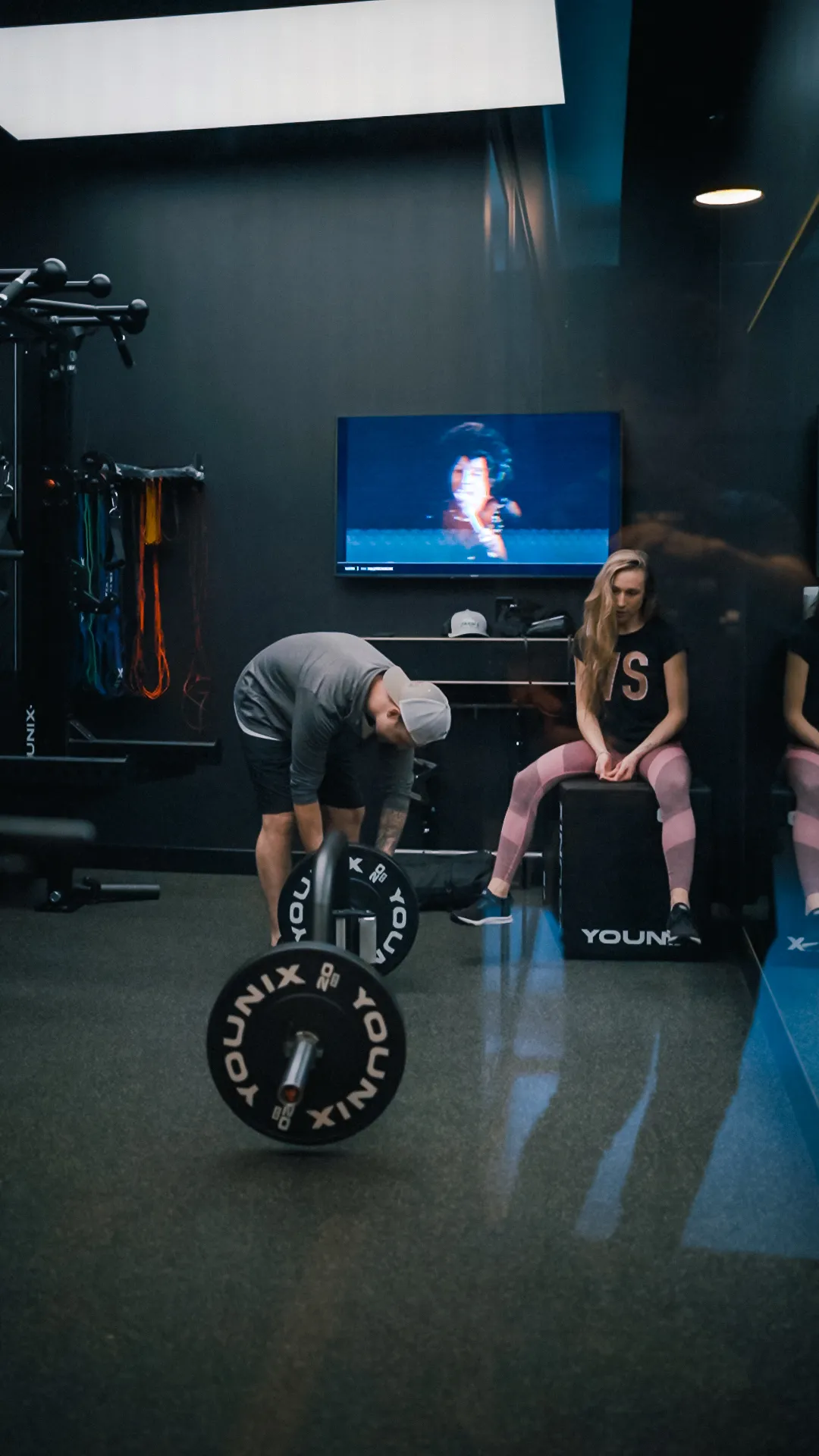
Personal training while on weight loss medication is not a different sport, but it is a different job: the medication handles the appetite, so your coach’s work shifts almost entirely to keeping muscle, building protein habits, and managing energy, the three things a GLP-1 cannot do for you. Here is what that actually looks like week to week, and where the coach’s lane ends and your prescriber’s begins.
The goal changes: from losing weight to keeping muscle
The first thing a good coach does is reframe the target. Before medication, most training plans fight for a calorie deficit. On a GLP-1 medication, the deficit largely takes care of itself, and the new risk is what gets lost along with the fat. Research on weight loss commonly shows that without resistance training, a quarter or more of lost weight can come from lean mass, and losing muscle means a slower metabolism, less strength, and a softer version of the after photo.
So the program flips. Cardio moves to a supporting role. Strength training becomes the centerpiece, usually two or three sessions a week, because it is the signal that tells your body to burn fat and keep muscle. The first step either way is a free consultation where a coach measures your actual starting point instead of guessing, and if you are brand new to lifting, the on-ramp is covered in starting strength training on a GLP-1.
What a typical session looks like
A coached session on weight loss medication runs quieter and more deliberate than a bootcamp. Expect:
- A real check-in first. Energy, appetite, sleep, and how the week actually went. On a GLP-1 this is not small talk; it decides how hard today should be.
- Strength work as the main course. Squat, hinge, push, pull patterns, progressed a little at a time, in the 6 to 12 rep range where muscle retention lives.
- Effort scaled to the day. Low-energy weeks get shorter, lighter sessions rather than cancellations. The streak matters more than any single workout.
- Habit homework. Usually protein-focused: a target per meal, a grocery list, a plan for the days between sessions.
What you will not see: punishment cardio, sweat theater, or a coach trying to out-exercise your nutrition. The medication removed the need for that, and honest coaches say so. Sessions on medication also tend to feel calmer than people expect. Because the goal is muscle retention rather than maximum calorie burn, the pace is deliberate, rest between sets is real rest, and finishing with energy left is a feature, not a failure.
The two-lane rule: coach and prescriber
Every credible trainer working with medicated clients follows the same boundary. Your prescriber owns the medical side: whether a GLP-1 medication is right for you, the dose, side effects, and how long you stay on it. Your coach owns the physical side: programming, technique, protein habits, recovery, and the accountability to show up. When those lanes stay separate, you get better advice from both.
In practice, the coach’s job includes knowing when to hand things back across the line. Persistent fatigue, dizziness, or nausea that keeps derailing sessions is not a programming problem, and the right coaching response is “call your prescriber,” not “push through.” If your care team ever wants a summary of your training, a coach who tracks your sessions and scans can provide one; many clients find their physician is glad the strength side is being handled deliberately.
Progress gets measured differently
On weight loss medication, the bathroom scale becomes the least interesting number in the room, because it cannot tell you what kind of weight is leaving. This is where body-composition tracking stops being a luxury. An InBody scan separates muscle mass from fat mass, so a re-test every few weeks answers the only question that matters: is the loss coming from fat while the muscle holds?
At FlexWerk, that baseline scan is part of the free consultation, and re-tests are how coaches keep the plan honest. It also sets up the conversation most people are not thinking about yet: what happens if you and your prescriber eventually decide to stop the medication. Per recent press reports, most people who stop regain a substantial share of the weight within a year, and the ones who do not tend to be the ones who kept muscle and habits. That long game is the subject of keeping weight off after a GLP-1.
Why a private suite suits this season
There is a practical reason a lot of medicated clients end up in private training rather than on a big-box floor: this phase of life comes with enough self-consciousness already. At FlexWerk in Carmel City Center, a short walk from the Monon Trail with garage parking nearby, every session happens inside a private FlexSpace with your coach and nobody else. No mirrors full of strangers, no waiting for a rack, no explaining yourself to anyone.
That privacy is not just comfort; it protects consistency, and consistency is the entire mechanism here. Carmel is full of professionals with 26-minute commutes and packed calendars, which is why weekday hours run from 5 AM to 9 PM and sessions are built to fit a lunch hour or a pre-work slot. If you are on a GLP-1, or talking with your physician about one, the simplest next step is a free consultation: a conversation, a baseline scan, and a plan for the half of this journey that medication cannot cover.
Related questions
Will a trainer judge me for using weight loss medication?
A professional coach will not. Good trainers treat GLP-1 medications as a fact of your plan, like a work schedule or an old knee injury, and build the training around it.
Can a personal trainer give me advice about my medication?
No, and a good one will not try. Dosing, side effects, and how long you stay on a medication are questions for your prescriber. Your trainer's lane is training, protein habits, and energy management.
What should I bring to a first session while on a GLP-1?
Your honest schedule, your goal, and a sense of how your appetite and energy have changed. At FlexWerk you also get an InBody scan at the free consultation, which becomes the baseline your coach tracks muscle against.